Over time, exposure to Ashburn’s weather can weaken your deck’s structure. If you notice rotting wood, loose railings, or rusting fasteners, your safety could be at risk. Ignoring these signs may lead to costly repairs or even collapse. Spotting problems early ensures your deck remains a safe, enjoyable space for years.
Ledger Board Gaps
If you notice a gap between your deck and the house, the ledger board may be pulling away. This connection is critical for structural stability, and any separation can lead to catastrophic failure. Inspect where the deck meets your home-even a small gap signals serious danger.
Identifying Structural Separation
Look for visible spaces, uneven decking, or nails pulling through the rim joist. When the ledger board detaches, your deck loses primary support. You may see sagging near the house or hear creaking underfoot-clear signs the structure is compromised.
Flashing Failure Risks
Missing or damaged flashing allows water to seep behind the ledger board. This hidden moisture causes rot and rust in fasteners, weakening the entire deck. You might not see the damage, but it can lead to sudden collapse.
Flashing failure often goes unnoticed because it’s concealed behind siding or trim. Water intrusion rots the house’s rim joist and corrodes bolts, reducing holding strength over time. Even properly installed decks can fail if flashing deteriorates. Check for soft wood, discoloration, or peeling paint near the ledger-these hint at long-term water exposure that endangers everyone on the deck.
Rotted Support Posts
Your deck’s support posts bear the entire structure’s weight, and rot compromises their strength. If these posts show darkened wood, crumbling edges, or a damp, musty smell near the base, decay is likely present. Ignoring rotted posts risks total deck collapse, especially under load. Inspect where wood meets concrete or soil at least once a year.
Ground Contact Decay
Wood in direct contact with soil absorbs moisture, accelerating decay. You often see this where support posts meet the ground. This hidden rot weakens structural integrity fast and is hard to spot without close inspection. Always ensure posts sit on concrete footings, not directly in soil.
Soft Wood Texture
Press a screwdriver into the support post near the base. If the wood feels spongy or the tool sinks deeper than 1/8 inch, you have soft wood texture-a clear sign of rot. This softness means the wood can no longer support weight safely.
Soft wood texture isn’t just surface damage-it often indicates advanced internal decay. Even if the outer layer looks intact, moisture can travel up the grain, weakening the core. A post that feels soft may fail without warning under stress, putting everyone on the deck at risk. Test multiple points around each post, especially at ground level and in shaded, damp areas. Early detection here can prevent costly repairs or dangerous accidents.
Post Repair Solutions
After identifying damage, addressing structural weaknesses in your deck’s posts ensures long-term safety. You need reliable fixes that restore stability and prevent future hazards. Repairing or replacing compromised components protects your home and family from dangerous collapses and costly damage down the line.
Structural Post Replacement
You must replace rotted or cracked posts immediately. Compromised wood can’t support your deck’s load, increasing the risk of sudden failure. Installing pressure-treated or composite posts at proper depths ensures your deck remains stable and safe under everyday use.
Concrete Base Reinforcement
Your deck’s concrete footings bear the entire structure’s weight. Over time, shifting soil or poor drainage can undermine their integrity. Reinforcing these bases prevents dangerous settling and keeps support posts firmly anchored.
When your deck’s concrete footings crack or sink, the entire structure becomes unstable. You face a real risk of partial or total collapse during use, especially under heavy loads. Reinforcing these bases with deeper footings, steel piers, or stabilized concrete restores foundational strength. This fix not only corrects current instability but also prevents future movement caused by frost heave or erosion, ensuring your deck remains safe and level for years.
Wobbly Deck Railings
Wobbly deck railings are a clear sign your safety is at risk. If you can shake or move the railing with your hand, it may fail when leaned on. This could lead to falls, especially with children or guests. Loose railings often point to deeper structural issues that need immediate attention.
Testing Railing Stability
Stand near a railing post and firmly push or pull the top rail with one hand. If there’s any movement, the railing is not safe. You should feel zero give. Test every section, especially near stairs and high-traffic areas, to ensure consistent support.
Loose Connection Points
Loose connection points between railings and posts compromise the entire structure. Nails or screws that are backed out or rusted offer almost no holding power. These weak spots make railings unreliable during use and increase the risk of collapse.
Connection points are where railings attach to posts, beams, or the deck frame. Over time, weather and stress can loosen fasteners or degrade wood around them. Rusted screws, split wood, or visible gaps mean the joint is failing. Left unrepaired, these areas can give way without warning. Repairing them early restores strength and keeps your deck safe for daily use.
Railing Safety Maintenance
Your deck’s railing is your first line of defense against falls. If you can shake or move the railing with your hands, it’s not secure. Loose posts, wobbly connections, or rusted fasteners compromise stability. Regular inspection ensures it can withstand pressure. A properly maintained railing supports up to 200 pounds of force-failure to meet this standard puts you and your family at serious risk.
Tightening Loose Hardware
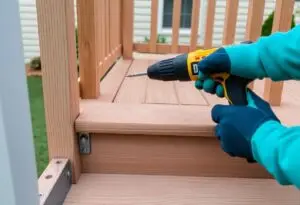
Loose screws, bolts, or brackets weaken your railing over time. Check all connections between posts, rails, and the deck frame at least once a year. Use a wrench or drill to tighten any hardware that moves. Ignoring even slightly loose fasteners can lead to sudden railing collapse under weight. Replace corroded or stripped hardware with weather-resistant options.
Replacing Weak Balusters
Cracked, rotted, or loose balusters create dangerous gaps in your railing. Building codes require balusters to be no more than 4 inches apart to prevent children from slipping through. Weak balusters can snap under pressure, leading to falls. Replace damaged ones promptly with durable, code-compliant materials.
When replacing weak balusters, inspect each one by hand for soft spots, warping, or separation from the rail. Wood balusters often fail at the base due to moisture exposure, while metal ones may corrode at weld points. A single failed baluster reduces the entire railing’s integrity. Use pressure-treated wood or composite materials for longer life. Ensure new balusters are securely fastened top and bottom-improper installation is a leading cause of post-repair failure. This simple upgrade significantly increases safety and meets current safety standards.
Corroded Metal Connectors
Your deck relies on metal connectors to maintain structural integrity, and visible corrosion is a clear red flag. When moisture and rust compromise these components, the entire framework becomes unstable. You should inspect all fasteners and brackets regularly, especially in Ashburn’s humid climate, where metal deteriorates faster. Ignoring corrosion can lead to sudden deck failure.
Rusted Joist Hangers
Rusted joist hangers weaken the connection between joists and beams, reducing load capacity. You may notice flaking metal, discoloration, or loose fittings when inspecting beneath the deck. Severe rust can cause joists to detach, creating a serious fall hazard. Replace compromised hangers immediately with galvanized or stainless steel models.
Degraded Structural Nails
Nails holding your deck together can degrade over time due to moisture and temperature shifts. You might see rust stains, nail heads pulling out, or soft wood around fastener sites. When nails lose grip, critical joints begin to separate, threatening overall stability. This is not a repair to delay.
Over time, standard steel nails in older decks corrode and expand, splitting surrounding wood and reducing holding power. You’re likely unaware of this slow deterioration until movement or sagging becomes obvious. Modern builds use corrosion-resistant fasteners, but if your deck is over 10 years old, you should have a professional inspect nail integrity. Failed structural nails can trigger cascading damage, making your deck unsafe without visible warning.
Cracked Decking Boards
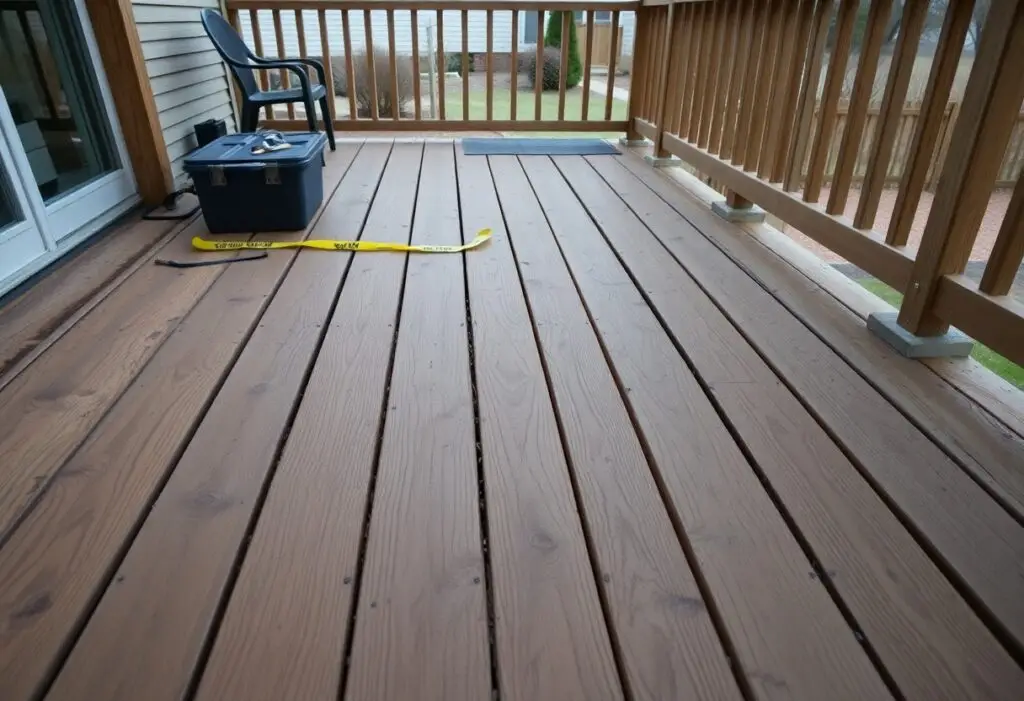
Your deck’s safety begins with its surface. Cracked decking boards compromise structural integrity and increase the risk of splinters or tripping. These cracks often start small but worsen with weather exposure. Ignoring them can lead to costly repairs or even collapse. Inspect your boards regularly for any signs of splitting or warping.
Surface Splintering Damage
You’ve likely stepped on a splintered board and felt the sting-literally. Surface splintering makes your deck uncomfortable and unsafe for bare feet. While not always structural, it signals wood fatigue. Left untreated, splinters evolve into deeper cracks, weakening the board over time. Sanding or sealing may help, but severe cases need replacement.
Deep Grain Cracks
You can see deep grain cracks running along the length of the board, often penetrating more than halfway through. These aren’t just cosmetic-they allow moisture inside, accelerating rot. Deep cracks significantly reduce load-bearing capacity and are a red flag for immediate repair or replacement.
Deep grain cracks form when wood repeatedly swells and shrinks due to moisture and temperature changes in Ashburn’s climate. Unlike surface splits, these penetrate the core, compromising the board’s strength. Water trapped inside promotes hidden rot and fungal growth, which weakens surrounding supports. If you spot deep cracks, especially near joist connections, your deck may fail under pressure-act before an accident occurs.
Decking Board Restoration
Restoring your decking boards preserves both safety and appearance. Over time, exposure to Ashburn’s weather can weaken wood, leading to splinters, cracks, or rot. You can extend your deck’s life by addressing damage early with sanding or replacement. Well-maintained boards support safe use and prevent costly repairs down the line.
Sanding Rough Areas
Rough or splintered decking surfaces pose a hazard to bare feet and increase wear on furniture. Sanding these areas smooths the wood and restores a safe walking surface. Focus on high-traffic zones and any board showing signs of weathering. A smooth finish also prepares the surface for sealing or staining.
Plank Replacement Services
When a decking plank is rotted, cracked, or structurally compromised, replacement is necessary. Ignoring damaged planks risks falls or collapse under weight. Replacing them restores stability and prevents moisture from spreading to adjacent boards. Use pressure-treated or composite materials for longer-lasting results.
Replacing a damaged plank isn’t just cosmetic-it’s a critical safety step. If you notice soft spots, visible decay, or nails pulling out, that section is no longer supporting weight properly. A professional will remove the damaged plank without harming surrounding structure, fit a new one to match, and secure it to joists. Using the right fasteners and materials ensures the repair withstands Ashburn’s freeze-thaw cycles. A properly replaced plank eliminates tripping hazards and stops rot from spreading, keeping your deck safe for family and guests.
Mold and Fungal Growth
Your deck’s surface should be clean and dry, but if you see dark spots, discoloration, or a musty smell, mold and fungal growth may already be present. These organisms thrive in Ashburn’s humid climate and can compromise both appearance and structural integrity over time.
Slippery Surface Hazards
A slick deck surface puts you at real risk of slipping, especially when wet. Mold, algae, or mildew buildup creates a dangerous walking environment. If you notice your steps becoming unsteady, take immediate action to clean and treat the area before an accident occurs.
Internal Wood Decay
Soft, crumbly wood beneath the surface signals internal decay, often invisible to the naked eye. When moisture penetrates cracks or untreated areas, rot can spread deep into support beams, weakening the entire structure. This hidden damage is one of the most dangerous threats to deck safety.
Internal wood decay starts when water seeps into untreated or damaged wood, especially around posts, joists, and ledger boards. You might not see it, but if a screwdriver easily pierces the wood or it feels spongy under pressure, the structural strength is already compromised. Left unchecked, this decay can lead to catastrophic failure under weight. Early detection through regular probing and inspection is your best defense against collapse.
Cleaning Ashburn Decks
Regular cleaning keeps your Ashburn deck looking good and helps you spot early signs of damage. Dirt, mold, and debris trap moisture against the wood, accelerating decay. You should clean your deck at least once a year, especially after harsh winters or humid summers. A well-maintained surface is easier to inspect and protects your investment over time.
Professional Pressure Washing
Professional pressure washing removes built-up grime, mildew, and old sealant without damaging the wood. Incorrect pressure settings can gouge or splinter decking, so hiring an experienced technician ensures safe, effective results. You get a clean surface ready for inspection or sealing, extending your deck’s lifespan and improving safety.
Protective Sealant Application
Applying a protective sealant shields your deck from moisture, UV rays, and fungal growth. Without this barrier, water seeps into the wood, leading to rot and dangerous structural weakness. You should reseal every 1-3 years, depending on exposure. A quality sealant keeps your deck safer and reduces long-term repair costs.
A high-performance sealant penetrates deep into the wood fibers, creating a barrier that repels water and blocks UV damage. If you skip this step, your deck absorbs rain and snow, which leads to swelling, cracking, and hidden rot that compromises load-bearing supports. Oil-based sealants often last longer in Ashburn’s climate, offering stronger protection during freeze-thaw cycles. Applying sealant after a professional cleaning ensures maximum adhesion and effectiveness, giving you a safer, longer-lasting deck.
Failing Stair Stringers
Your stair stringers carry the full weight of every step you take on your deck stairs. If they’re cracked, sagging, or splitting, your entire staircase becomes unstable. You’re risking a fall every time you or a guest uses them, especially in wet or icy conditions common in Ashburn.
Unstable Step Supports
Wobbly or uneven steps mean the supports beneath have loosened or rotted. When you feel movement underfoot, it’s a clear sign the structure can no longer handle regular use. This instability increases your risk of tripping or falling. Immediate inspection is necessary to prevent injury.
Wood Decay Detection
Soft, crumbly, or discolored wood on stair stringers signals advanced decay. Use a screwdriver to probe suspicious areas-deep penetration means the wood has lost structural strength. Decay weakens load-bearing parts, making collapse possible. Early detection saves lives and costly repairs.
Wood decay often starts where moisture collects-especially at joints, under railings, or near the ground. Fungal growth thrives in Ashburn’s humid climate, silently eating away at support beams. If left unchecked, decay can compromise entire sections of your deck stairs. Look for darkened wood, musty odors, or visible cracks. Catching it early means you can repair locally instead of replacing entire structures, keeping your family safe and your deck functional for years.
Staircase Structural Repairs
Your deck’s stairs bear heavy daily use, and structural weaknesses can lead to serious accidents. If steps feel wobbly or show visible separation from the deck, your safety is at risk. Addressing foundational flaws now prevents falls and ensures long-term stability in Ashburn’s changing climate.
Reinforcing Stringer Mounts
Loose or corroded stringer mounts compromise your staircase’s integrity. You need secure connections between the stringers and deck frame to prevent shifting or collapse. Reattaching with structural screws or hurricane ties dramatically improves load support and meets current safety standards.
Replacing Damaged Treads
Cracked, warped, or rotting treads are dangerous tripping hazards that demand immediate replacement. Using pressure-treated or composite wood ensures durability. You’ll restore safe footing and protect against further water intrusion into underlying supports.
When replacing damaged treads, inspect the joists beneath for hidden rot-what looks like a surface issue may mask deeper decay. Ignoring compromised substructure can lead to sudden step failure, especially after Ashburn’s wet springs. Install slip-resistant materials and maintain consistent step height to meet code and protect everyone using the stairs.
Soil Erosion Issues
Soil erosion around your deck can compromise its stability over time. When rainwater washes away supporting soil, critical structural elements lose their anchor. You may notice uneven settling or visible gaps beneath support posts. In Ashburn’s clay-heavy terrain, seasonal freeze-thaw cycles worsen erosion. Addressing drainage early helps prevent long-term damage.
Exposed Footing Bases
Exposed footing bases signal serious erosion. When soil recedes, concrete footings rise above ground level, leaving posts unsupported. This weakens load distribution and increases collapse risk. You should inspect your deck’s base annually-especially after heavy storms-and refill eroded areas promptly to maintain structural integrity.
Foundation Shifting Risks
Foundation shifting threatens your deck’s safety and longevity. When footings move due to poor drainage or unstable soil, the entire frame can tilt or separate. You might see cracks in concrete, warped boards, or wobbly railings. Even slight movement can lead to sudden failure under weight.
Foundation shifting often starts subtly, but the consequences grow quickly. As support posts shift, connections to the ledger board or joists weaken. This misalignment creates stress points that can snap under pressure, especially during gatherings or storms. In Ashburn’s variable climate, shifting is accelerated by expanding clay soil and frequent rainfall. Catching movement early allows for underpinning or releveling before danger escalates. You must monitor for gaps, sticking stairs, or uneven decking planes-these are red flags demanding immediate attention.
Stabilizing Ashburn Foundations
Your deck relies on a stable foundation, and in Ashburn’s clay-rich soil, shifting is common. Uneven settling can compromise structural integrity, leading to wobbly railings or sagging surfaces. Addressing foundation stability protects your investment and ensures long-term safety for your family and guests.
Improving Drainage Slopes
Poor drainage around your deck accelerates deterioration. Water pooling near support posts encourages rot and insect damage. You can prevent this by reshaping the ground to slope away from the structure, ensuring rainwater flows clear of critical components and extends your deck’s lifespan.
Concrete Footing Repairs
If your deck’s concrete footings are cracked or sinking, your entire structure may be at risk. These footings anchor your deck to the ground, and damage often stems from freeze-thaw cycles or improper initial installation. Repairing them restores stability and prevents dangerous collapses.
Over time, concrete footings beneath your deck can shift due to Ashburn’s seasonal weather extremes. When cracks appear or posts sit unevenly, the load distribution becomes unsafe. You need to assess whether footings have sunk more than an inch or show spalling. Re-pouring or reinforcing with helical piers can restore structural integrity and prevent serious accidents. Ignoring these signs puts your home and family at risk.
Excessive Structural Swaying
If your deck sways when you walk across it, you’re dealing with a serious stability issue. This movement often signals weakened support posts, loose connections, or failing footings. A stable deck should feel solid underfoot-any noticeable motion means it’s time to call a professional for inspection before the risk of collapse increases.
Lateral Movement Warning
You should be concerned if your deck shifts side to side when weight is applied. Lateral movement compromises the entire structure’s integrity and can lead to sudden failure. This kind of motion often stems from poor anchoring or deteriorated ledger board attachments. If you feel sideways give, your safety is at risk.
Missing Diagonal Bracing
Diagonal bracing keeps your deck rigid and prevents wobbling. If these supports are missing or damaged, your deck loses critical resistance to lateral forces. Without this bracing, even moderate loads can cause dangerous movement or collapse. Check your support frame-visible diagonal members are a must.
Diagonal bracing is installed across support frames to form triangular reinforcements, which are inherently more stable than rectangular joints. When these braces are absent, rusted, or improperly installed, the entire deck becomes vulnerable to twisting and shifting under load. Structures without diagonal bracing are significantly more likely to fail during heavy use or high winds. You can inspect the joist ends and beam connections-look for metal braces or wooden members running diagonally between vertical supports. Their presence is a clear sign of proper engineering, and their absence is a red flag you should not ignore.
Enhancing Deck Rigidity
Your deck should remain steady underfoot, not wobble or shift when walked on. If it does, you’re compromising safety and structural integrity. Reinforcing weak areas improves stability and prevents long-term damage. Addressing rigidity issues now protects your investment and keeps your family safe during everyday use.
Adding Cross Braces
Cross braces stabilize your deck’s frame by reducing lateral movement. You’ll notice less sway and improved support, especially in high-traffic areas. Installing them between joists or along ledger boards strengthens weak zones. This simple upgrade makes a dangerous, shaky deck significantly safer and extends its lifespan with minimal effort.
Structural Beam Support
Weak or undersized beams put your entire deck at risk. You may see sagging or hear creaking under weight-clear signs of failure. Adding proper beam support beneath load-bearing areas prevents collapse. Without adequate support, your deck could fail suddenly and without warning.
Structural beam support isn’t just about adding wood-it’s about ensuring each beam is correctly sized, properly spaced, and securely anchored to footings. You must use pressure-treated lumber or steel where appropriate, and all connections should be bolted, not nailed. A single compromised beam can lead to catastrophic failure, especially during gatherings when weight loads increase. Inspect beams annually for rot, insect damage, or shifting. Reinforcing them early prevents costly repairs and keeps your deck safe for years.
Missing Structural Hangers
Missing structural hangers put your deck at serious risk of collapse. These metal connectors secure joists to beams and ledger boards, ensuring stability. If yours are absent or improperly installed, your deck may not support expected loads. Inspect where framing members join-any absence of hangers signals immediate repair needs.
Improper Nailing Methods
Using nails instead of structural screws or proper connectors weakens key joints. You might see bent or loose nails at joist connections. This shortcut reduces holding power by up to 70%, increasing failure risk. If your deck relies on nails where hangers should be, it’s already compromised.
Shearing Hazard Risks
Shearing hazards occur when fasteners or supports fail under lateral stress. You may notice cracks near bolted joints or shifting deck sections. This type of failure can lead to sudden collapse, especially during heavy use. Address it before it endangers anyone.
Shearing happens when forces push connected parts sideways, overwhelming fasteners. Without proper hangers or sufficient bolts, joints can snap under pressure. A single failed connection can trigger total deck failure, putting everyone nearby at risk. Look for diagonal cracks in wood or misaligned framing-these are red flags demanding immediate attention.
Installing Joist Brackets
Joist brackets keep your deck’s frame strong and aligned. You rely on them to support the weight across the structure, especially where joists meet beams. Installing them correctly prevents sagging, twisting, or sudden failure over time. Your safety depends on secure, code-compliant connections at every joint.
Proper Hanger Placement
Position each joist hanger so the joist sits fully seated and level within the bracket. The hanger must align flush with the supporting beam or ledger for full contact. Misaligned hangers reduce load capacity and can lead to structural failure under stress. Your deck’s stability depends on precise placement every time.
Correct Fastener Usage
Use only the fasteners specified by the hanger manufacturer-typically hot-dipped galvanized or stainless steel nails. Using screws not rated for hangers or the wrong nail size compromises the connection’s strength. Your safety hinges on matching fasteners exactly to the bracket’s design and local weather conditions in Ashburn.
Manufacturer-tested fasteners ensure the hanger performs as engineered. Each nail is designed to resist withdrawal and shear forces unique to deck loads. Substituting screws or common nails can reduce holding power by up to 70%, creating a hidden hazard. In Ashburn’s humid climate, corrosion-resistant fasteners prevent rust that weakens joints over time. Your long-term safety depends on these precise details.
Conclusion
As a reminder, your safety depends on recognizing early signs of deck damage. If you see sagging boards, rusted fasteners, or wobbly railings, take action now. In Ashburn, VA, weather accelerates wear-ignoring these signals risks serious accidents. You know your deck best; trust what you see and act before small issues become dangerous failures.
FAQ
Q: What are the most common signs of wood rot on a deck in Ashburn, VA?
A: Wood rot often appears as soft, discolored, or crumbling areas on deck boards, railings, or support posts. In Ashburn’s humid climate, moisture gets trapped in shaded or poorly ventilated spots, accelerating decay. Check near the base of railings, where wood meets the house, and under planters or furniture. If a screwdriver easily punctures the wood or you see dark, spongy patches, rot is likely present and needs immediate repair.
Q: How can I tell if my deck’s structure is unstable?
A: A wobbly handrail, shifting stairs, or noticeable bounce when walking across the deck can signal structural weakness. Inspect where the deck attaches to the house-the ledger board should be tightly secured with proper flashing and lag bolts. Gaps, rusted fasteners, or water stains behind the board suggest movement or water intrusion. Uneven decking or leaning posts also indicate foundational issues that require professional assessment.
Q: When should loose or protruding nails and screws be a concern?
A: Loose or raised fasteners create tripping hazards and show that wood has expanded, contracted, or deteriorated over time. In Ashburn’s freeze-thaw cycles, metal can work loose from repeated stress. If you see screws backing out or nails popping up through boards, it’s a sign of wear that compromises safety. These should be replaced with corrosion-resistant fasteners during routine maintenance or repair.