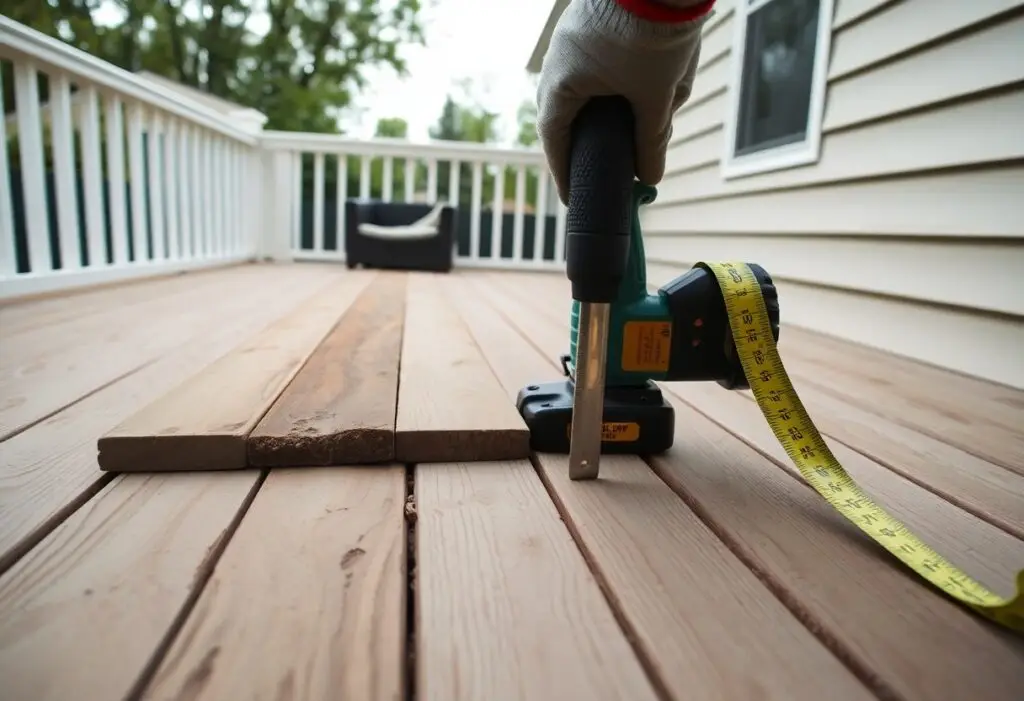
Most deck failures in Sterling, VA stem from delayed board replacements, exposing homes to dangerous structural risks and costly repairs. You face constant freeze-thaw cycles and moisture buildup, accelerating wood decay. Replacing damaged boards promptly improves long-term safety and boosts your home’s curb appeal and value. Choose weather-resistant materials suited to local conditions for lasting performance.
Key Takeaways:
- Deck board replacement in Sterling, VA often requires attention to local weather conditions, as frequent rain and temperature shifts can accelerate wood deterioration and influence material choices.
- Homeowners should inspect their deck annually for signs of rot, warping, or insect damage, especially in high-traffic areas, to catch issues early and avoid costly repairs.
- Pressure-treated pine and composite materials are popular options for replacements, with composites offering longer durability and less maintenance despite a higher upfront cost.
The Sun and the Decay of Planks
You face constant UV exposure when your deck sits in direct sunlight for hours. Over time, sunlight breaks down wood fibers, leading to splintering, warping, and fading. This deterioration weakens structural integrity, making planks more prone to cracking. Even high-quality materials degrade faster without proper sealants. Ignoring sun damage accelerates decay, increasing repair costs and safety risks over time.
Selecting the Proper Grain
You need to pay close attention to wood grain when replacing deck boards. The orientation of the grain affects both strength and water resistance, directly impacting how well your deck holds up over time. Boards with vertical grain run stronger and resist warping better than flat-grain lumber. Choosing the right grain pattern helps prevent costly damage from moisture and seasonal shifts common in Sterling’s climate.
The Heavy Air of Virginia
You face more than just rain when maintaining a deck in Sterling-Virginia’s humid summers trap moisture in wood, accelerating rot and warping. High humidity promotes mold and mildew growth, compromising both appearance and structural integrity over time. Your deck boards absorb dampness nightly, swelling and stressing fasteners. This constant expansion and contraction shorten lifespan, demanding more frequent inspections and replacements than in drier climates.
The Pulling of the Rusted Nails
You face a messy but necessary step when extracting rusted nails from old deck boards. These corroded fasteners can splinter wood or resist removal, making the job physically demanding and potentially hazardous without proper tools. Always wear safety goggles and use a pry bar or cat’s paw to minimize damage. Removing them carefully preserves the integrity of surrounding joists and prevents future structural issues.
Laying the New Surface
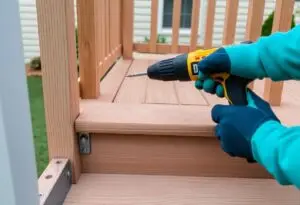
You position each new deck board with precision, ensuring consistent spacing for proper drainage and expansion. Improper alignment or fastening can lead to warping or trip hazards, so follow manufacturer guidelines closely. Use corrosion-resistant fasteners suited for Virginia’s climate. A well-installed surface enhances safety, longevity, and curb appeal, giving you lasting value and enjoyment.
The Rules of the County
You must check with Loudoun County’s permitting office before replacing deck boards, as structural changes often require approval. Your project could fail inspection if it doesn’t meet current code for railing height, step clearance, or footing depth. Skipping permits may lead to fines or issues when selling your home. Always confirm whether your repair counts as maintenance or a renovation.
Final Words
Following this guide, you now know what to expect when replacing deck boards in Sterling, VA. You understand material options, local weather considerations, and the value of professional installation. Taking these steps ensures your deck remains safe, durable, and attractive for years to come.