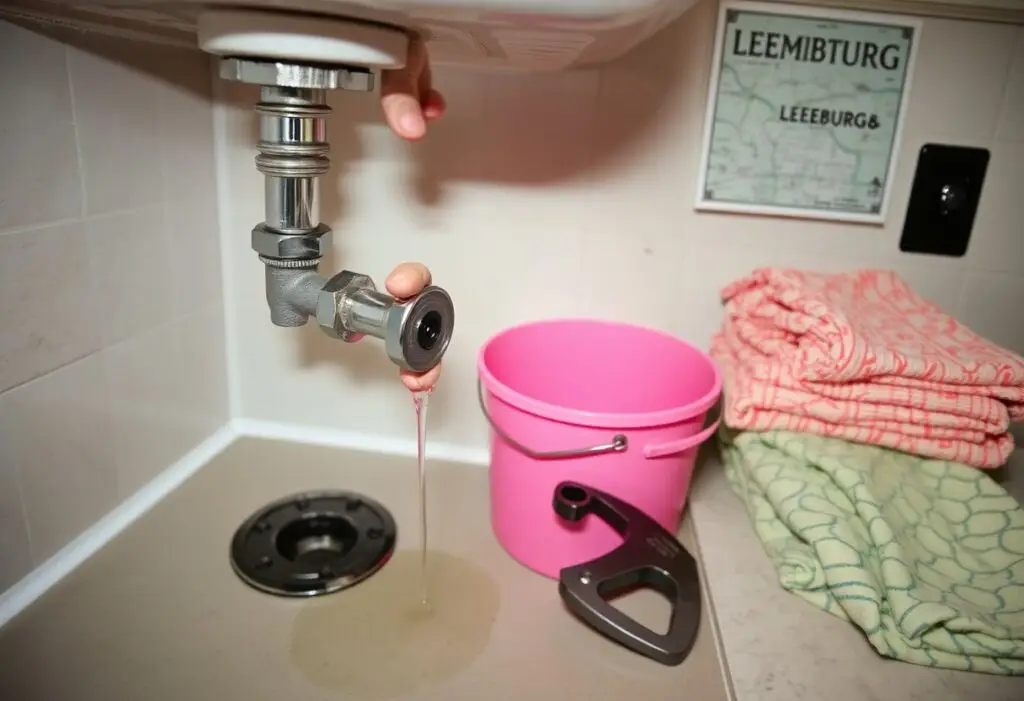
There’s no time to waste when a pipe bursts or your basement starts flooding. Shut off the main water supply immediately to prevent catastrophic damage. Turn off electricity near standing water to avoid electrocution. Clear the area, contain leaks with buckets, and call a licensed Leesburg plumber right away-your quick actions can save thousands in repairs.
The Main Valve
You need to locate your main water valve immediately when a plumbing emergency strikes. This valve controls all water entering your home, and shutting it off can prevent catastrophic flooding. It’s usually found near the water meter, in the basement, or along an exterior wall in warmer areas. Turn the handle clockwise until it stops-this cuts off the supply. Leaving it on risks severe water damage, so confirm it’s fully closed before doing anything else.
The Rising Water
You see water spreading fast across your floor, and every second counts. Shut off the main water supply immediately to stop the flow. If standing water is near electrical outlets or appliances, evacuate the area and cut power at the breaker. Use towels or a mop to slow the spread, but prioritize safety over cleanup. Flooding can cause structural damage and mold within hours, so act fast while waiting for professional help.
The Current
You’re likely facing active water flow where it shouldn’t be-this is the most dangerous phase of any plumbing emergency. Standing water can damage flooring, walls, and electrical systems in minutes. Shut off the main water supply immediately to stop the flow and limit destruction. If you can’t locate the main valve, turn off the valve specific to the affected fixture. Every second counts when water is spreading.
The Breach
Water surging from a burst pipe can cause severe structural damage in minutes. Shut off the main water supply immediately to limit flooding. If you notice a sudden drop in water pressure or a loud banging noise, act fast-these are early signs of a breach. Avoid standing in pooled water until power is confirmed off-electrocution risk is real. Your quick response now protects your home and family until professional help arrives.
The Preparation
You need to act fast when a plumbing emergency strikes. Turn off the main water supply immediately to prevent dangerous flooding and further damage. Locate your water shut-off valve-usually near the water meter or basement-and rotate it fully to stop the flow. If you have electrical appliances nearby, switch off the power to avoid electrical hazards. Clear the area around the leak so the plumber can work efficiently upon arrival.
To wrap up
With this in mind, you can take immediate steps to minimize damage during a plumbing emergency in Leesburg, VA. Turn off the water supply, clear the area, and contain leaks safely. Your quick actions help protect your home and give the plumber a better starting point when they arrive.
FAQ
Q: What should I do immediately when I notice a burst pipe in my Leesburg home?
A: Turn off the main water supply right away. Look for the main shutoff valve, usually near the water meter, in the basement, or along an exterior wall. Once the water is off, open faucets to drain remaining water and reduce pressure. This helps limit flooding and water damage. Call a licensed emergency plumber in Leesburg as soon as possible-most offer 24/7 service for situations like this.
Q: Can I attempt to fix a clogged drain myself before the plumber arrives?
A: For minor clogs, using a plunger may help, especially in sinks or toilets. Avoid chemical drain cleaners-they can damage pipes and make the situation worse. If the clog persists or you notice water backing up in multiple fixtures, stop trying to clear it. This could indicate a blockage in the main sewer line, which requires professional tools like a drain snake or camera inspection. Wait for the plumber to assess and resolve the issue safely.
Q: How can I minimize water damage while waiting for emergency plumbing service?
A: Start by removing standing water with towels, mops, or a wet-dry vacuum. Move furniture, rugs, or valuables away from wet areas to prevent further damage. If safe, shut off electricity to the affected room or area-especially if water is near outlets or appliances. Place buckets under leaks and mark the water level on walls to help the plumber assess the timeline of the leak. Taking these steps can reduce repair costs and speed up cleanup after the fix.