Many homeowners in Great Falls, VA notice their deck boards feeling soft or spongy underfoot, and this often signals underlying wood rot or structural damage. Moisture from rain and humidity accelerates decay, especially in shaded or poorly ventilated areas. Ignoring this issue can lead to dangerous collapses, but early detection allows for timely repairs and extended deck life.
The Way the Wood Dies
Rot breaks down cellulose and lignin, the core components that keep your deck boards strong. When moisture gets trapped, fungi begin feeding from within, turning solid wood into a soft, spongy hazard underfoot. You’re not just dealing with cosmetic damage-this decay compromises structural integrity, increasing the risk of collapse. Spotting it early means saving your deck-and your safety.
The River and the Heat
You’re not imagining it-proximity to the Potomac River and Great Falls’ humid summers accelerates deck board deterioration. Moisture from the river air seeps into tiny cracks, setting the stage for rot even if the surface looks intact. Intense summer heat warps wood fibers, making boards spongy underfoot. Your deck faces a double threat no coating can fully stop.
The Test of the Tool
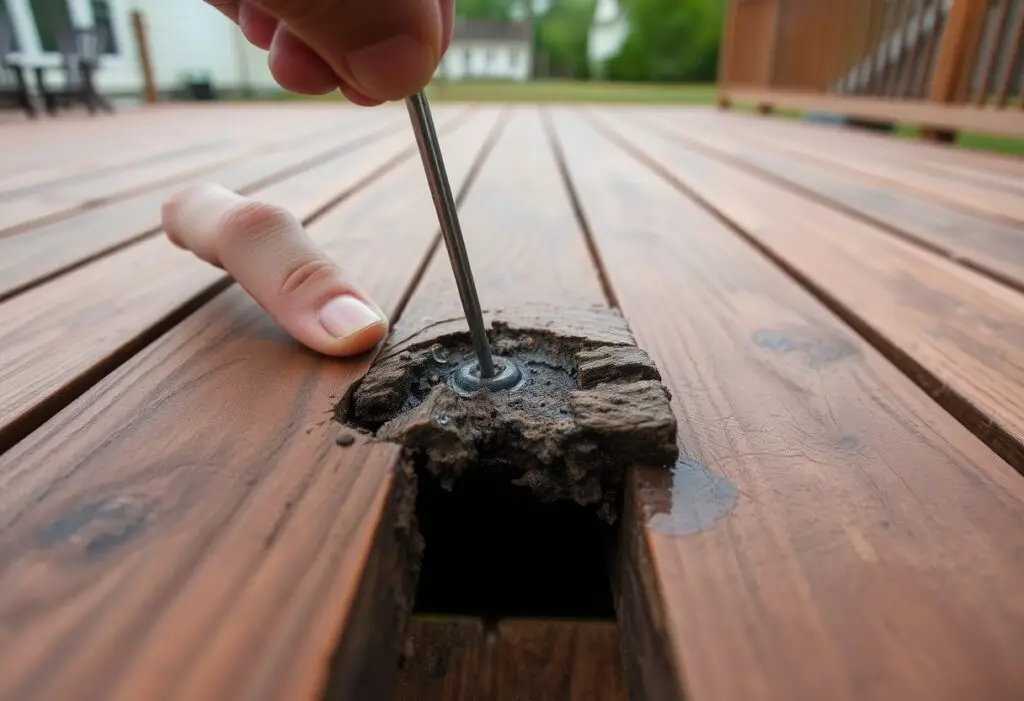
You can check your deck’s condition with a simple screwdriver. Press the tool into the board surface near support beams. If the wood feels soft or the screwdriver sinks in easily, rot is likely present. This test reveals hidden damage not always visible to the eye. Ignoring these signs risks structural failure and unsafe walking conditions.
The Danger of the Fall
You might not realize how unstable soft or spongy deck boards have become until it’s too late. A single misstep can lead to a sudden collapse, putting you at serious risk of injury. Wet or rotting wood loses structural integrity, making falls more likely and more dangerous. Every time you walk on compromised decking, you’re gambling with your safety.
Fixing What is Broken
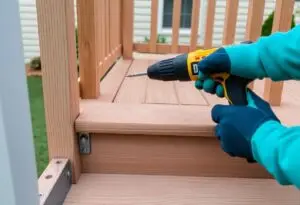
You need to act fast when soft or spongy deck boards are confirmed. Rot and structural damage can spread quickly, putting your safety at risk. Replace compromised boards immediately using pressure-treated or composite materials that resist moisture. Proper flashing and spacing during installation prevent future issues. Ignoring the problem only leads to costlier repairs down the line.
Keeping the Wood Strong
You can preserve your deck’s structural integrity by sealing the wood annually. Untreated boards absorb moisture, leading to rot and sponginess over time. Proper ventilation beneath the deck also prevents trapped humidity. Using pressure-treated or composite materials from the start reduces long-term damage. Clean spills and debris quickly to stop decay before it starts.
Final Words
From above, soft or spongy deck boards signal moisture damage or structural decay, especially in Great Falls, VA’s humid climate. You’re likely seeing weakened wood from prolonged water exposure, poor drainage, or failing substructure. This isn’t just cosmetic-your deck may be unsafe. You need to inspect and replace compromised boards promptly to protect your home and family.
FAQ
Q: Why do deck boards in Great Falls, VA feel soft or spongy underfoot?
A: Deck boards become soft or spongy when moisture has caused the wood to rot or when fasteners have loosened over time. In Great Falls, VA, the humid summers and frequent rain create conditions where water gets trapped between boards or under decking materials. This prolonged exposure breaks down the wood fibers, especially in pressure-treated lumber or older composite boards. If the substructure-like joists or beams-is compromised, the entire deck surface can feel unstable. Poor drainage, lack of ventilation under the deck, or clogged gaps between boards often make the problem worse.
Q: Can spongy deck boards be repaired, or do they need full replacement?
A: It depends on the extent of the damage. If only a few boards show soft spots and the underlying frame is solid, replacing those individual boards may be enough. However, if the sponginess spreads across large areas or affects the joists, full replacement is usually necessary. Attempting to patch or reinforce rotted sections often fails because decay can spread internally, unseen. A professional inspection can determine whether localized repairs are safe or if structural integrity has been compromised. In many cases in Great Falls, older decks built over 10-15 years ago require full rebuilds due to long-term moisture exposure.
Q: How can I prevent my deck boards from becoming soft or spongy in the future?
A: Preventing softness starts with proper installation and ongoing maintenance. Use high-quality, moisture-resistant materials like modern composite decking or properly rated pressure-treated wood. Ensure there’s at least a 1/8-inch gap between boards for drainage and airflow. Keep the area under the deck clear of debris and vegetation to reduce humidity buildup. Apply a water-repellent sealant every one to two years, especially on wood decks. Install flashing around rail posts and where the deck attaches to the house to block water infiltration. Regular inspections in spring and fall help catch early signs of rot before they become serious.