Just as you prepare to sell your home in Ashburn, VA, a routine inspection might reveal rotting wood, loose railings, or improper ledger board attachments-issues that can delay closing or reduce offers. These defects aren’t just cosmetic; some pose serious safety hazards. Catching them early helps you address concerns confidently and maintain buyer trust.
The Soft Wood
You’ve likely stepped on a deck board that gives slightly underfoot-this softness often signals advanced wood decay. Moisture trapped in high-traffic areas accelerates deterioration, especially in Ashburn’s humid summers. When soft spots appear, structural integrity is already compromised, making repairs urgent before inspection day. Ignoring them can lead to failed inspections or last-minute negotiation setbacks.
The Bolts in the Wall
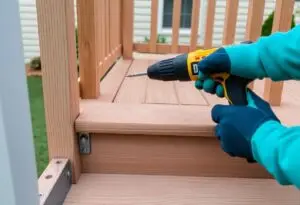
You might not think twice about the metal connectors where your deck attaches to the house, but loose or corroded bolts can signal serious structural risk. These fasteners bear the entire load of the deck, and when they fail, the consequences can be dangerous. Inspectors in Ashburn often flag improper installation or rusted hardware during pre-sale evaluations. Catching these issues early protects your safety and prevents costly repairs down the line.
The Moving Rails
You’ll notice loose or wobbly rails when pressure is applied, signaling a serious safety hazard. These unstable sections often stem from deteriorated fasteners or rotted support posts. In Ashburn’s climate, repeated freeze-thaw cycles accelerate wear, making rail failure more likely. Inspect all connections and post anchors closely-what seems like a minor shake today could lead to liability tomorrow.
The Split Stairs
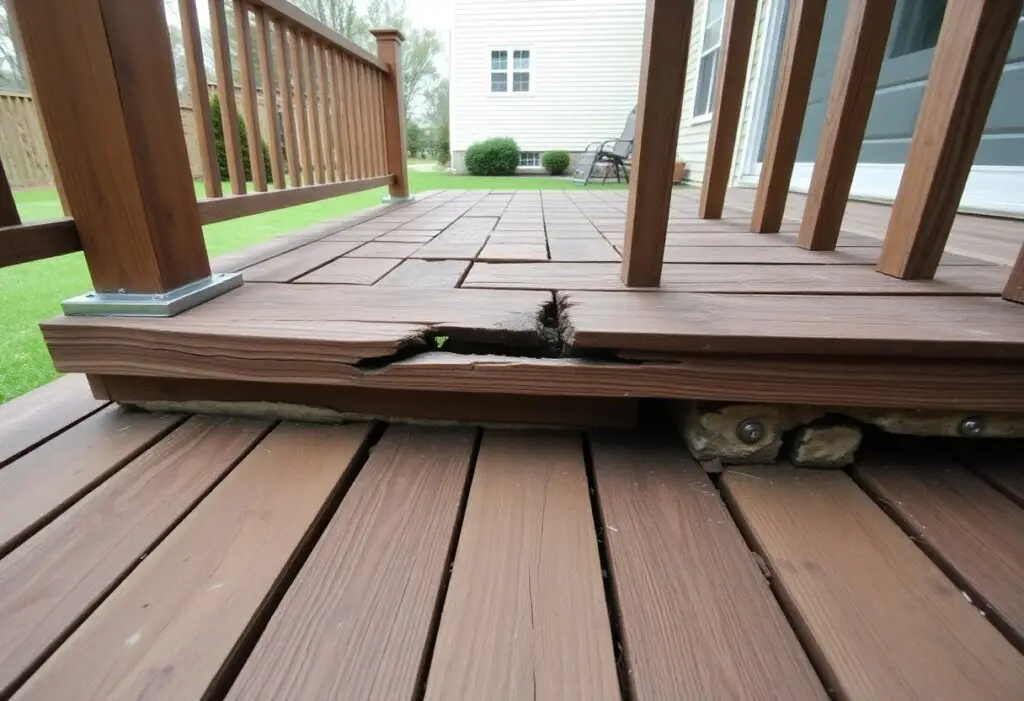
You often overlook split stairs until a home inspector points out their instability. Cracked or shifting steps create serious safety hazards and raise red flags for buyers. In Ashburn’s freeze-thaw climate, moisture seeps into tiny fissures, then expands during cold snaps, worsening the damage over time. Structural compromise in this area can lead to costly repairs or failed inspections.

The Sinking Earth
You’ve likely noticed subtle dips in your deck’s surface, but don’t ignore them-uneven settling can signal serious structural compromise. Over time, shifting soil beneath support posts leads to dangerous instability, especially in Ashburn’s clay-rich ground. When the earth sinks unevenly, your deck’s integrity weakens, increasing the risk of collapse under load. Immediate inspection and piers adjusted to proper depth are vital to restore safety and compliance.
The Missing Paper
You might assume your deck is in perfect shape, but without proper permits on file, the sale could stall or even fall through. Inspectors in Ashburn routinely flag unpermitted structures, and buyers’ lenders often require documentation proving the deck was built to code. No paperwork means no approval-a costly surprise if discovered late in the process.
Conclusion
Conclusively, when selling a home in Ashburn, VA, you often face deck issues like rotting wood, unstable railings, and non-compliant stair heights. These problems surface during inspections and can delay or derail a sale. Addressing them early ensures a smoother transaction and strengthens your position with buyers who prioritize safety and code compliance.
FAQ
Q: What types of wood damage are commonly found in decks during home inspections in Ashburn, VA?
A: Rot and water damage are frequently identified in wooden decks during home sales in Ashburn. The region’s humid summers and freeze-thaw cycles in winter accelerate wood deterioration, especially in support posts, joists, and decking boards that remain in contact with soil or retain moisture. Soft, spongy areas, dark discoloration, or visible fungal growth are red flags. Inspectors often find issues where flashing is missing or where water pools near ledger boards attached to the house. Repairs typically involve replacing compromised sections and ensuring proper drainage and ventilation.
Q: Are loose railings or unstable stairs a common issue in Ashburn decks?
A: Yes, loose railings and wobbly stairs appear regularly in pre-sale inspections. Over time, screws and fasteners corrode or work loose due to weather exposure, especially if non-galvanized hardware was used. In older decks, wood shrinkage can also create gaps in connections. Ashburn’s building code requires railings to withstand a 200-pound force, so inspectors test stability rigorously. Sellers often need to reinforce connections with structural screws, add blocking, or replace rusted hardware to meet safety standards before closing.
Q: How do improper deck attachments to the house affect home sales in Ashburn?
A: Decks that are not properly attached to the home’s structure pose serious safety risks and are a frequent concern. Many older decks in Ashburn were built with nails or lag screws instead of modern flashing and ledger fastening systems, increasing the risk of detachment. Inspectors check for proper flashing over the ledger board to prevent water intrusion into the home‘s siding and framing. If the deck is not securely anchored or lacks a proper waterproofing barrier, buyers often request repairs or credits. Fixing these issues usually involves installing code-compliant connectors and weatherproofing details.