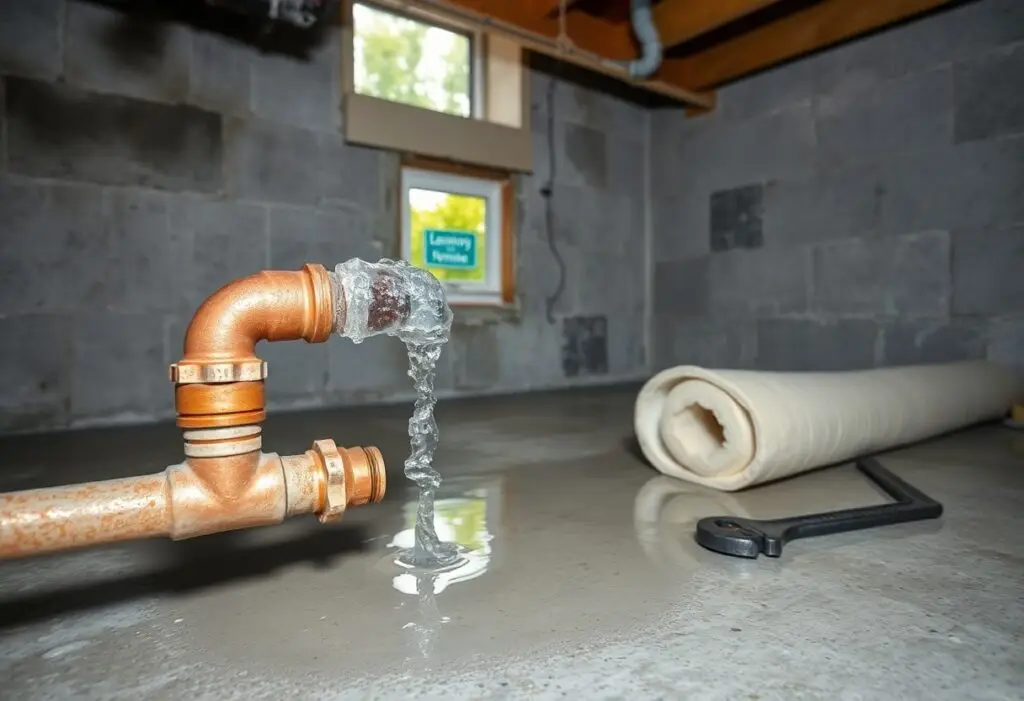
Just one frozen pipe can lead to costly water damage in your Leesburg home. You face real risk during winter when temperatures drop suddenly. Knowing how to insulate, monitor, and maintain your plumbing protects against burst pipes and thousands in repairs. This guide shows you exactly what to do-before disaster strikes.
Factors Contributing to Frozen Pipes in Leesburg
Winter in Leesburg brings unpredictable cold snaps that can quickly turn routine plumbing issues into costly emergencies. Exterior walls, uninsulated pipes, and poor indoor heating significantly increase the risk of freezing. Assume that any pipe exposed to cold air can freeze when temperatures drop below freezing for several hours.
Local Climate Trends and Temperature Drops
Leesburg’s seasonal shifts often include sudden freezes, catching homeowners off guard. Frost depth and overnight lows play key roles in pipe vulnerability. Assume that even brief sub-freezing periods can lead to frozen lines.
| Climate Factor | Impact on Pipes |
|---|---|
| Overnight temps below 32°F | High risk of freezing in uninsulated areas |
| Wind chill near exterior walls | Accelerates heat loss from piping |
Common Vulnerabilities in Northern Virginia Homes
Many older homes in the region lack proper pipe insulation and weather sealing. Attic lines, basement plumbing, and garage-facing walls are especially prone to cold exposure. Assume that your home may have hidden weak spots even if no issues have appeared yet.
Construction practices from previous decades often prioritized cost over energy efficiency, leaving gaps around plumbing chases and inadequate vapor barriers. Pipes running through unheated spaces cool rapidly when cold air infiltrates. Without consistent indoor heat or insulation, stagnant water in these lines can freeze and expand, causing ruptures that unleash thousands in water damage once thawed.
How to Properly Insulate Exposed Plumbing
Wrap all exposed pipes in unheated areas like attics and crawlspaces to prevent freezing during Leesburg’s coldest nights. Use proper insulation materials rated for plumbing to maintain consistent pipe temperatures. This simple upgrade greatly reduces the risk of burst pipes and costly water damage in your home.
Selecting High-Quality Insulation Materials
Choose foam pipe sleeves or fiberglass wraps with an R-value of at least 3-5 for reliable protection. Ensure the material is moisture-resistant to avoid degradation in damp crawlspaces. Look for pre-slit options that fit snugly around pipes for faster, more secure installation.
Step-by-Step Application for Attics and Crawlspaces
Begin by identifying all exposed supply lines in cold zones. Cut insulation to fit, slide it over each pipe, and seal seams with weatherproof tape. Pay close attention to joints and valves-common freeze points. Secure insulation in place to prevent shifting over time.
| Step | Action |
| 1 | Locate all exposed pipes in attic or crawlspace |
| 2 | Cut insulation to match pipe length and diameter |
| 3 | Slide insulation over pipe, ensuring full coverage |
| 4 | Seal joints with water-resistant tape |
| 5 | Check for gaps near elbows, valves, and connections |
Follow this methodical approach to ensure every inch of vulnerable plumbing is protected. Inconsistent coverage leaves pipes at risk-even a small exposed section can freeze and rupture. Insulating in dry conditions improves adhesion and long-term performance. Reinspect annually, especially after heavy winter seasons in Leesburg.
| Area | Insulation Tips |
| Attic | Focus on pipes near eaves or exterior walls where cold air infiltrates |
| Crawlspace | Use moisture-resistant wraps and elevate pipes if possible |
| Joist Openings | Seal gaps around pipes with foam to block cold drafts |
Essential Maintenance Tips for Outdoor Fixtures
Protect your home from frozen pipes and costly water damage by maintaining outdoor fixtures before winter.
- Disconnect and store garden hoses
- Insulate hose bibs with covers
- Shut off interior isolation valves
- Drain residual water from spigots
Any oversight can lead to burst pipes and thousands in repairs.
Winterizing Hose Bibs and Spigots
Turn off the indoor shutoff valve and open the outdoor spigot to release remaining water. This prevents freezing and pipe expansion that causes cracks. Insulate the fixture with a snug cover. Any lingering moisture increases the risk of costly leaks during cold snaps.
Draining In-Ground Irrigation Systems
Use a blow-out method with compressed air to clear water from underground lines. This stops ice formation that can rupture pipes below the frost line. A professional typically handles this safely. Any leftover water may expand and destroy entire zones of your system.
Draining in-ground irrigation systems isn’t just about turning off the timer. Without proper air pressure to expel moisture, water trapped in PVC or polyethylene lines will freeze and create immense pressure. That pressure leads to hidden breaks that won’t surface until spring, causing poor performance, soggy yards, and wasted water. Hire a licensed technician to perform the blow-out with the correct PSI-too much pressure damages valves and heads. Any attempt to skip this step risks extensive landscape and system damage.
Factors to Evaluate When Thawing Frozen Lines
Assess the pipe material, location, and visible signs of ice blockage before applying heat. Check for leaks or bulges that suggest imminent rupture. Never use open flames or high-heat devices without professional guidance. After evaluating these risks, choose a safe thawing method to prevent costly water damage.
Safe Heating Methods to Avoid Pipe Rupture
Use a hairdryer, heating pad, or space heater set on low to gently warm frozen sections. Keep heat sources away from flammable materials and never leave them unattended. Applying gradual warmth reduces the chance of sudden pipe failure. After starting the thaw, monitor pressure changes closely.
Identifying Signs of Structural Stress
Look for bulging pipes, frost on exterior surfaces, or discolored wall patches near plumbing lines. These indicate trapped pressure or early cracking. Unusual sounds like cracking or hissing can signal weakening joints. After noticing any of these, shut off the water immediately.
Bulging or frost-covered pipes are not just frozen-they’re under intense internal pressure that could lead to a full rupture. Wall discoloration may mean moisture is already escaping behind drywall, risking mold and structural decay. Cracks often start small and go unnoticed until a flood occurs. After identifying any of these warning signs, stop using the affected plumbing zone and call a licensed technician to assess the system.
How to Respond Effectively to a Burst Pipe
Acting fast when a pipe bursts can save your home from thousands in water damage. The moment you notice flooding or a sudden drop in water pressure, move quickly to stop the flow. Your ability to respond in the first few minutes makes a critical difference in protecting your property and minimizing repair costs.
Locating and Using the Main Water Shut-off Valve
Find your main water shut-off valve-usually near the water meter or where the line enters your home. Turning this valve clockwise stops all water flow immediately. Knowing its location before a pipe bursts is crucial, as every second counts during an emergency.
Immediate Actions to Minimize Property Damage
Shut off the water, then begin removing standing water with towels or a wet-dry vac. Move furniture and electronics out of wet areas to prevent irreversible damage. Quick action reduces mold risk and lowers restoration expenses significantly.
After stopping the water supply, prioritize safety by switching off electricity in flooded areas if it’s safe to do so. Open windows and doors to improve airflow and begin drying surfaces. Contact a licensed plumber and water damage restoration professional without delay-professional help ensures structural integrity and prevents hidden mold growth behind walls or under floors.
To wrap up
On the whole, you can prevent frozen or burst pipes in Leesburg, VA by insulating exposed lines, keeping faucets dripping during cold snaps, and maintaining consistent indoor temperatures. Taking these steps now protects your home from costly water damage and ensures your plumbing withstands winter’s chill without failure.
FAQ
Q: What causes pipes to freeze or burst in Leesburg, VA during winter?
A: In Leesburg, VA, freezing temperatures during winter months can cause water inside pipes to expand as it turns to ice. This expansion increases pressure within the pipe, especially in areas with poor insulation like attics, basements, or exterior walls. Pipes exposed to drafts or located near windows or doors are especially vulnerable. Even brief cold snaps can lead to frozen lines, and if pressure builds too high, the pipe may rupture when thawing begins. Homes built before modern insulation standards are at higher risk due to older plumbing layouts and insufficient pipe protection.
Q: How can homeowners in Leesburg prevent frozen or burst pipes?
A: Homeowners can prevent damage by insulating exposed pipes in unheated areas using foam pipe sleeves or heat tape. Keeping indoor temperatures consistent, even when away, helps maintain warmth in walls where pipes run. Opening cabinet doors under sinks allows warmer air to circulate around plumbing. Letting faucets drip slightly during freezing weather reduces pressure in the system. Sealing cracks and gaps around windows, doors, and foundations prevents cold air from reaching pipes. Disconnecting and draining outdoor hoses and shutting off exterior water valves are also effective steps to avoid freezing at connection points.
Q: What should I do if I suspect a pipe has already frozen or burst?
A: If a pipe is frozen, shut off the main water supply immediately to reduce the risk of flooding when thawing occurs. Open the affected faucet to relieve pressure and allow water to escape as it melts. Apply heat using a hair dryer or heating pad to the frozen section-never use open flames. If the pipe has already burst, avoid contact with standing water near electrical fixtures and call a licensed plumber right away. Water damage can spread quickly, so turning off electricity to affected areas and removing wet materials can limit structural harm. Early response can prevent mold growth and save thousands in repair costs.