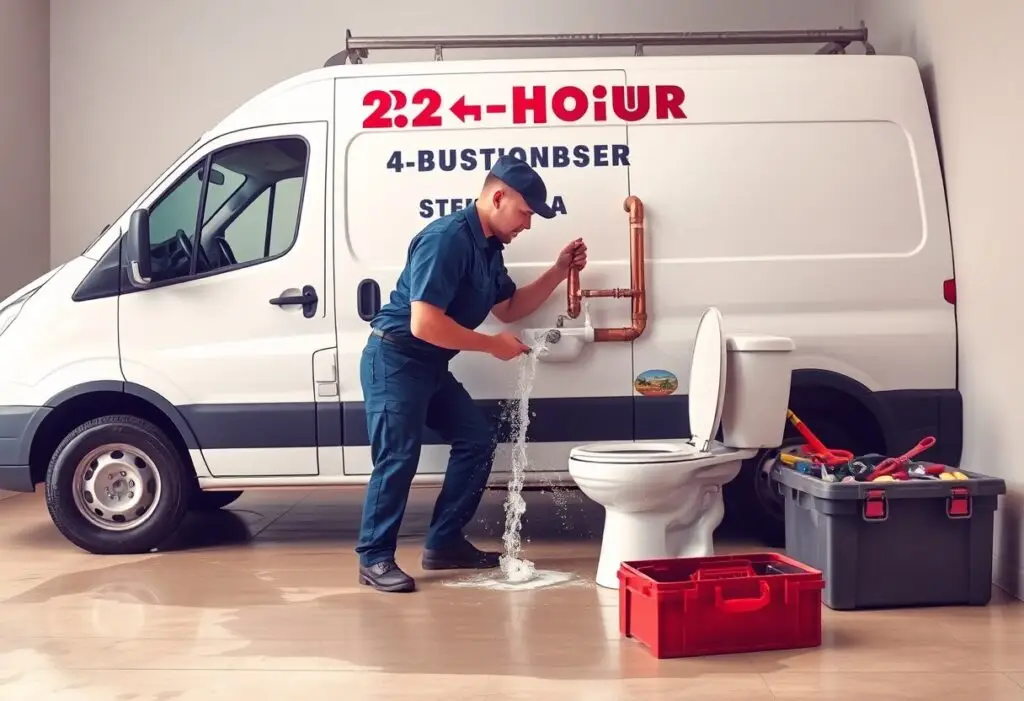
Plumbing emergencies can strike at any hour, and burst pipes top the list of urgent calls we handle in Sterling, VA. You’re not alone when sewage backups or frozen lines disrupt your home-our team responds fast, day or night. A running toilet might seem minor, but it can waste hundreds of gallons. We’re here so you stay safe, dry, and protected.
Frozen Pipes in the Sterling Cold
Winter in Sterling brings more than snow-it brings frozen pipes that can burst without warning. When temperatures drop, water inside your pipes expands, creating dangerous pressure. You’re not alone if you’ve woken to no water or strange sounds in your walls. Immediate action can prevent flooding and costly damage.
The sound of cracking metal
You might hear a sharp snap or metallic groan inside your walls. That noise means ice is expanding and your pipes are under extreme stress. Ignoring it risks a full rupture. If you hear this, shut off the water and call for emergency help right away-waiting could lead to major water damage.
Turning the main valve
Locate your main water valve and turn it clockwise to shut off supply. Doing this quickly after suspecting a freeze limits how much water escapes if a pipe bursts. This simple step puts you in control and prevents a small issue from becoming a home-soaking disaster.
Knowing where your main valve is matters-most are in basements, crawl spaces, or near the water heater. If you’ve never turned it before, now’s the time to test it. A stiff valve won’t budge when you need it most. Lubricate it if necessary and ensure everyone in your home knows its location. Being prepared means you can act fast when pipes freeze.

The Scent of Danger: Gas Leaks
You might not see it, but you’ll almost always smell a gas leak before it becomes deadly. That sharp, pungent odor-like rotten eggs-is added to natural gas so you can detect it quickly. If you notice this smell in your home, evacuate immediately and call emergency plumbing or your gas provider. Do not use electrical switches, phones, or appliances inside the home.
Rotten eggs in the kitchen
You catch a whiff of something foul near your stove or oven. That rotten egg smell in the kitchen is not a clogged drain-it’s likely a gas leak. Never ignore it. Turn off the gas line if safe to do so, get everyone out, and call a licensed plumber right away. Delaying action risks explosion or carbon monoxide poisoning.
Leaving the house behind
You’re told to leave your home-and it feels extreme until you realize what’s at stake. Natural gas is highly flammable, and even a small spark can trigger a blast. Your safety comes first. Once outside, stay away and wait for professionals to confirm it’s safe. Do not re-enter until cleared by authorities.
When you’re forced to leave the house due to a suspected gas leak, it’s not an overreaction-it’s protocol. Gas disperses quickly and can pool in low areas, creating an invisible hazard. Emergency plumbers use specialized detectors to locate the source, whether it’s a loose fitting, corroded pipe, or faulty appliance. Only trained technicians should handle repairs, ensuring your system is sealed and safe before service resumes.
Sewer Lines and the Heavy Rain
Heavy rain overwhelms aging sewer lines, especially in older Sterling neighborhoods. You’ve likely noticed slow drains or standing water after a storm-this isn’t normal. Untreated, it can lead to dangerous backups that threaten your home’s foundation and indoor air quality. Acting fast prevents costly damage.
The gurgle of the floor drain
You hear a strange gurgle from your basement floor drain after heavy rain. That sound means air is struggling through a partially blocked sewer line. This is an early warning sign of a larger blockage forming. Ignoring it risks a full sewer backup into your home.
Clearing the path to the street
Your home’s sewer line runs from your foundation to the main municipal line, often under your driveway or yard. Tree roots, debris, or collapsed pipe sections can obstruct this path. A complete blockage stops all wastewater flow, causing immediate indoor flooding.
Clearing the path to the street requires professional-grade camera inspection and motorized augers. We locate the exact blockage point and remove it without unnecessary digging. Hydro-jetting may follow to flush out residue and prevent quick re-clogging. This restores full flow and protects your home from recurring issues.
The Death of the Water Heater
Every winter, we get calls from homeowners who wake up to icy showers and no hot water. A failed water heater isn’t just inconvenient-it can signal a dangerous gas leak or electrical issue. You’re not alone when your unit stops working without warning. We respond fast, diagnose the root cause, and get your hot water back the same day.
A cold shock in the morning
You turn on the shower expecting warmth, but only cold water flows. This sudden loss often means your heater’s pilot light is out, the thermostat failed, or sediment has crippled the tank. A complete breakdown could leave you without hot water for days. We’ve seen it happen most often in units over ten years old.
Rust upon the basement floor
You notice a small puddle near the base of your water heater, tinged orange. That’s rust-your tank is corroding from the inside. Once rust appears, the end is near. Ignoring it risks a full rupture and major flooding. We recommend immediate inspection to prevent water damage to your home‘s foundation.
When rust forms around your water heater, it’s not just a sign of age-it’s a warning. The steel tank is breaking down, and pressure buildup could lead to a sudden, catastrophic failure. We’ve responded to emergencies where homeowners returned to flooded basements after the tank burst. Draining the tank annually helps, but once corrosion sets in, replacement is the only safe option. We handle permits, installation, and safe disposal-so you’re protected fast.
Toilets That Will Not Stop
Water overflowing from your toilet can turn into a crisis in minutes. When the bowl keeps filling and won’t shut off, it’s usually due to a stuck flapper or faulty fill valve. Ignoring this issue risks serious water damage and mold growth. You need fast, expert help to stop the flow and restore control.
The rising water line
Your toilet’s water level climbs higher than normal and won’t stop. This often means the float is set too high or the shut-off valve isn’t working. If the water reaches the overflow tube, flooding becomes likely. Acting quickly can prevent a mess and protect your floors.
Beyond the reach of the plunger
A plunger fails when the clog is deep in the drain line or made of solid debris like toys or wipes. Forced plunging can damage seals and cause leaks. Only professional tools like motorized augers can safely reach and remove these blockages without harm to your system.
When a clog lies past the toilet trap or deep in the main line, household tools are ineffective. We use high-resolution cameras to locate the exact blockage and motorized drain snakes to clear it cleanly. This precision prevents unnecessary disassembly and reduces repair time. You get a lasting fix without guesswork or damage to your bathroom.
Sump Pumps in the Storm
Heavy rains test your home’s defenses, and your sump pump stands on the front line. When storms hit Sterling, VA, we see a surge in emergency calls as systems struggle to keep up. A failing pump can lead to rapid basement flooding, putting your property at serious risk in just hours.
When the electricity fails
Power outages during storms disable many sump pumps, leaving homes vulnerable. You might not realize your pump is electric-only until it’s too late. A backup battery system ensures your pump keeps running, even when the grid goes down-preventing disaster silently while you wait for power to return.
Keeping the basement dry
Your sump pump runs automatically when water rises, but it can’t fix a clogged discharge line or a stuck float switch. Regular maintenance ensures it activates when needed. A well-maintained system means peace of mind during downpours and protection against costly water damage.
Preventing basement flooding isn’t just about having a sump pump-it’s about ensuring it works when it matters most. Debris can jam the impeller, and infrequent use can cause motor failure. We recommend testing your system monthly and installing a water alarm for early warnings. Catching small issues early stops major floods before they start, saving you time, money, and stress when storms roll through Northern Virginia.
Final Words
From above, you can see the most common emergency plumbing issues in Sterling, VA happen without warning. Burst pipes, clogged drains, water heater failures, and leaking fixtures demand immediate response. You need reliable, 24-hour service that addresses each problem with speed and expertise. Count on local professionals who know your home’s plumbing and act fast when emergencies strike.
FAQ
Q: What are the most common emergency plumbing calls in Sterling, VA?
A: Burst pipes, clogged drains, and water heater failures top the list of emergency plumbing calls we receive in Sterling. Winter freezes often cause pipes to burst, especially in older homes with insufficient insulation. Clogged drains become urgent when they lead to overflowing sinks or backed-up toilets. Water heater issues usually involve no hot water, strange noises, or leaks around the unit. These problems require immediate attention to prevent water damage and restore basic household function.
Q: How quickly can a plumber respond to an emergency call in Sterling?
A: Our team provides same-day response for all emergency plumbing calls in Sterling, with most technicians arriving within 45 minutes of the initial contact. We maintain local service vehicles stocked with vital parts and tools to handle common issues on the first visit. Response time may vary slightly during extreme weather events when multiple households experience plumbing failures simultaneously, but we prioritize calls based on severity and safety risk.
Q: Are sewer line backups considered plumbing emergencies?
A: Yes, sewer line backups are serious plumbing emergencies that require immediate professional intervention. Signs include multiple slow drains, foul odors from fixtures, gurgling sounds in toilets, or sewage surfacing in yards or basements. These indicate a blockage or collapse in the main sewer line, which can lead to contamination, structural damage, and health hazards. We use camera inspections to locate the issue and clear blockages using hydro-jetting or perform necessary repairs to restore proper flow.