With water dripping from your ceiling, structural damage and mold growth are immediate risks. You need to act fast-turn off the power near the leak and stop the water source. Calling a licensed plumber or water damage expert in Ashburn, VA ensures safe, lasting repairs. Ignoring it only worsens the problem.
The First Response
Water dripping from your ceiling demands immediate action. Turn off the power near the affected area to avoid electrical hazards and call a licensed plumber or restoration expert right away. Every minute counts-delaying response increases the risk of structural damage and mold growth. Stay calm, but act fast to protect your home and family.
Killing the flow
Stop the water at its source as quickly as possible. If the leak stems from a pipe, shut off the main water supply. For roof-related leaks, placing a tarp temporarily helps. Failure to halt the flow can lead to extensive ceiling collapse and water spreading to lower levels.
Clearing the room
Remove furniture, electronics, and valuables from beneath the leak to prevent irreversible damage. Water can ruin hardwood floors and expensive devices in minutes. Protecting your belongings reduces financial loss and simplifies the restoration process.
Once you’ve moved items out, place buckets under active drips and lay down towels to catch falling moisture. Avoid walking directly under sagging sections-this could trigger a sudden collapse. Clearing the room isn’t just about saving possessions; it creates safe access for professionals and prevents secondary damage like mold formation on soaked upholstery or carpet edges.
The Ashburn Weather
Weather in Ashburn plays a major role in home damage risks. Heavy rains and sudden temperature swings stress roofing materials and gutters, increasing the chance of leaks. You’re not just dealing with a drip-you’re facing conditions that worsen fast without intervention.
Northern Virginia storms
Storms here bring intense wind and downpours in minutes. Roof shingles can lift, allowing water to seep into your attic and ceiling. If you notice damp spots after a storm, act quickly-delaying inspection risks mold and structural harm.
Frozen copper lines
When winter hits, copper plumbing lines in unheated spaces can freeze. Ice blocks flow and raises pressure, potentially bursting pipes. You might see water stains on ceilings even without rain-this could be a hidden burst from thawing lines.
Ice inside copper lines doesn’t just stop water-it creates a dangerous backup of pressure behind the blockage. Once the thaw begins, that pent-up force can rupture joints or fittings, sending water into walls and ceilings. Damage often appears after temperatures rise, catching homeowners off guard when the storm has already passed.
The Ceiling Bulge
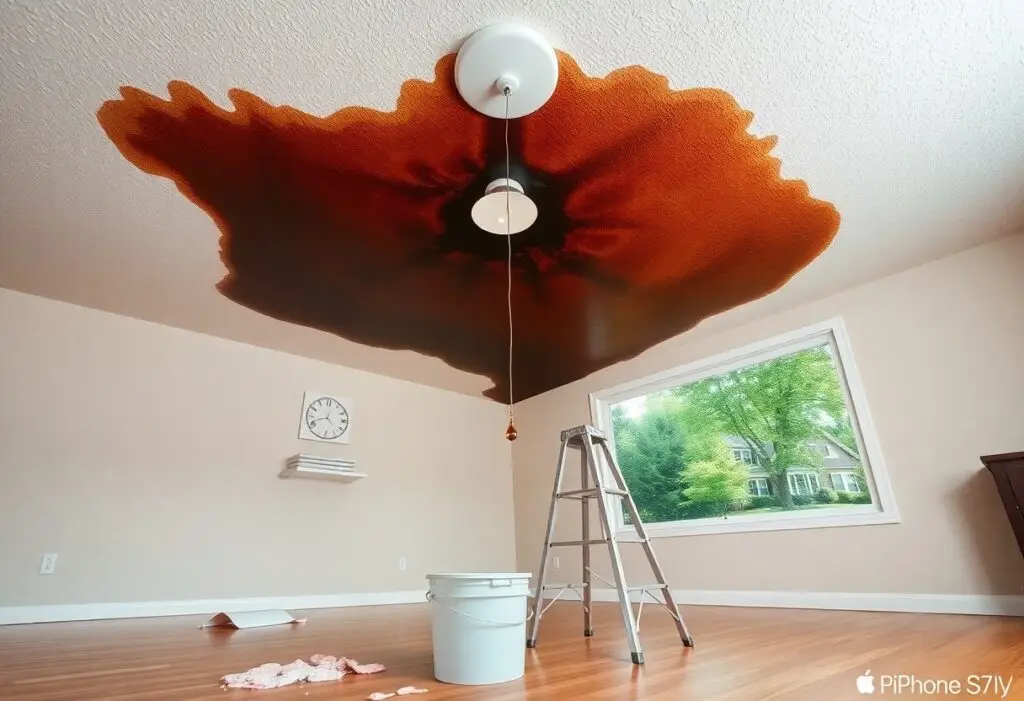
You might notice a dark, wet spot spreading across your ceiling, but the real warning sign is the bulge. As water accumulates above, the drywall weakens and begins to sag. This drooping means the structure is compromised and could collapse without warning. Don’t wait-this isn’t just a stain. It’s a signal that immediate action is needed to prevent further damage.
Relieving the pressure
Drilling a small hole at the lowest point of the bulge allows trapped water to drain in a controlled way. You’re preventing an uncontrolled collapse and reducing stress on the ceiling material. Use a bucket to catch the flow, and work carefully-this step stops the weight from tearing the drywall open on its own.
Setting the trap
Place a clean bucket directly under the drain hole to capture the water. This simple move protects your floors and furniture from secondary damage. Make sure the container is large enough to handle the volume, and check it frequently until the flow slows to a drip.
Once the bucket is in position, monitor how quickly it fills. If water pours in fast, you likely have a major leak upstream-possibly from a burst pipe or clogged gutter system. Ignoring this flow risks structural harm and mold growth within 24-48 hours. Empty the bucket as needed, but don’t leave it unattended. This temporary fix buys time, but professional inspection is important before any repairs begin.
The Local Experts
When water stains bloom across your ceiling in Ashburn, VA, time is your most valuable ally. Local restoration professionals respond fast because they know regional weather patterns often worsen hidden damage. These teams operate 24/7, equipped to handle everything from burst pipes to storm-related leaks unique to Northern Virginia homes.
Calling the restoration crew
Reach out immediately-every minute delays increase the risk of mold growth and structural weakening. A trusted local crew will dispatch a technician within hours, not days. Your call triggers a rapid response that can mean the difference between a quick fix and a full ceiling replacement.
Assessing the ruin
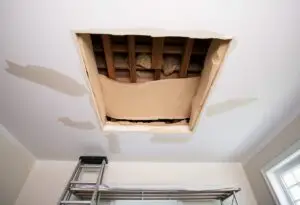
Once on-site, technicians use moisture meters and thermal imaging to find hidden saturation in beams and insulation. This step reveals the true scope of damage, far beyond what’s visible. Accurate assessment prevents future collapses and ensures no dampness lingers to invite mold.
Proper evaluation goes beyond surface checks. Professionals examine attic spaces, electrical conduits, and drywall integrity to rule out dangerous secondary hazards. If water contacted wiring or insulation, they coordinate with electricians or HVAC specialists to restore safety. This detailed inspection forms the foundation of a complete, code-compliant repair plan tailored to Ashburn’s climate and housing standards.
The Drying Process
You need to act fast once water is contained. Moisture trapped in ceilings and walls can lead to mold growth within 24-48 hours. Professionals use advanced equipment to extract hidden water and dry affected areas thoroughly, minimizing long-term damage to your Ashburn home.
High velocity blowers
Airflow matters when drying water-damaged areas. These powerful fans target wet surfaces, accelerating evaporation from drywall and insulation. Proper placement prevents moisture from spreading to unaffected zones, helping restore structural integrity faster.
Dehumidification
Moisture in the air can delay drying even if surfaces seem dry. Dehumidifiers pull excess humidity from the environment, reducing the risk of hidden mold and secondary damage. This step ensures your ceiling and walls return to safe, normal moisture levels.
Dehumidification isn’t just about comfort-it’s a critical defense against long-term structural harm. As warm, damp air rises into your ceiling space, it condenses on cooler surfaces, creating a breeding ground for mold. Industrial-grade dehumidifiers continuously remove water vapor, maintaining optimal drying conditions. Without this step, lingering humidity can compromise your home’s air quality and building materials, leading to costly repairs down the line.
The Restoration
You’ll see professionals move in with precision, turning water damage into a thing of the past. Drywall is replaced only after moisture levels are confirmed safe, preventing mold and structural risks. Every step follows industry standards to ensure your ceiling looks original-only stronger and drier.
Hanging new boards
New drywall goes up with exact measurements to match your ceiling’s layout. Seams are staggered and secured tightly to avoid future cracks. This phase sets the foundation for a smooth, lasting repair you won’t even notice.
The finishing coat
Joint compound is applied in thin layers to blend seams and corners seamlessly. A smooth, paint-ready surface emerges after sanding, matching the rest of your ceiling. This step ensures the repair disappears into the existing finish.
Professionals use multiple passes of finishing compound, feathering edges so light doesn’t highlight imperfections. Improper finishing leads to visible lines or shadows, especially under Ashburn’s bright Virginia sun. Skilled technicians know how to replicate your ceiling’s texture, whether it’s smooth, knockdown, or orange peel, so the fix looks invisible once painted.
Final Words
Taking this into account, water coming through your ceiling in Ashburn, VA, demands immediate action. You assess the damage, stop the source, and call a licensed professional. Mold, structural issues, and electrical hazards can follow quickly. Your response now determines the long-term impact on your home and safety.
FAQ
Q: Why is water coming through my ceiling in Ashburn, VA?
A: Water dripping or staining your ceiling usually points to a roof leak, ice dam, or plumbing issue. In Ashburn, seasonal weather plays a big role-winter ice dams can trap melting snow, forcing water under shingles, while heavy spring rains may expose damaged roofing. Indoor causes include burst pipes, leaking attic HVAC units, or condensation from poor ventilation. A professional inspection is needed to pinpoint whether the source is external, like a compromised roof, or internal, such as a failing pipe above the ceiling.
Q: What should I do immediately when I see water in my ceiling?
A: First, stop the water at the source if possible-turn off the main water supply if it’s a plumbing leak. Place buckets under active drips and move furniture out of the way. Avoid standing directly under wet areas, as soaked drywall can collapse. Turn on fans or dehumidifiers to reduce moisture. Call a licensed water damage or roofing contractor in Ashburn right away. Quick action helps prevent mold, structural weakening, and electrical hazards, especially if wiring is exposed to moisture.
Q: Will my homeowner’s insurance cover ceiling water damage in Ashburn?
A: Most policies cover sudden and accidental water damage, like a burst pipe or storm-related roof leak. Damage from long-term neglect, such as a roof that wasn’t maintained for years, may not be covered. Document the issue with photos and notes, then contact your insurer to file a claim. An Ashburn restoration company can help with the assessment and provide documentation for your provider. Always review your policy details to understand what’s included, especially regarding weather-related and plumbing incidents.