It’s necessary to act fast when a pipe bursts in your Ashburn home. Shut off the main water supply immediately to prevent flooding. Electrical hazards and mold growth are serious risks if water isn’t removed quickly. Call a licensed plumber and water damage specialist without delay to minimize structural harm and restore safety.
Stop the Flow
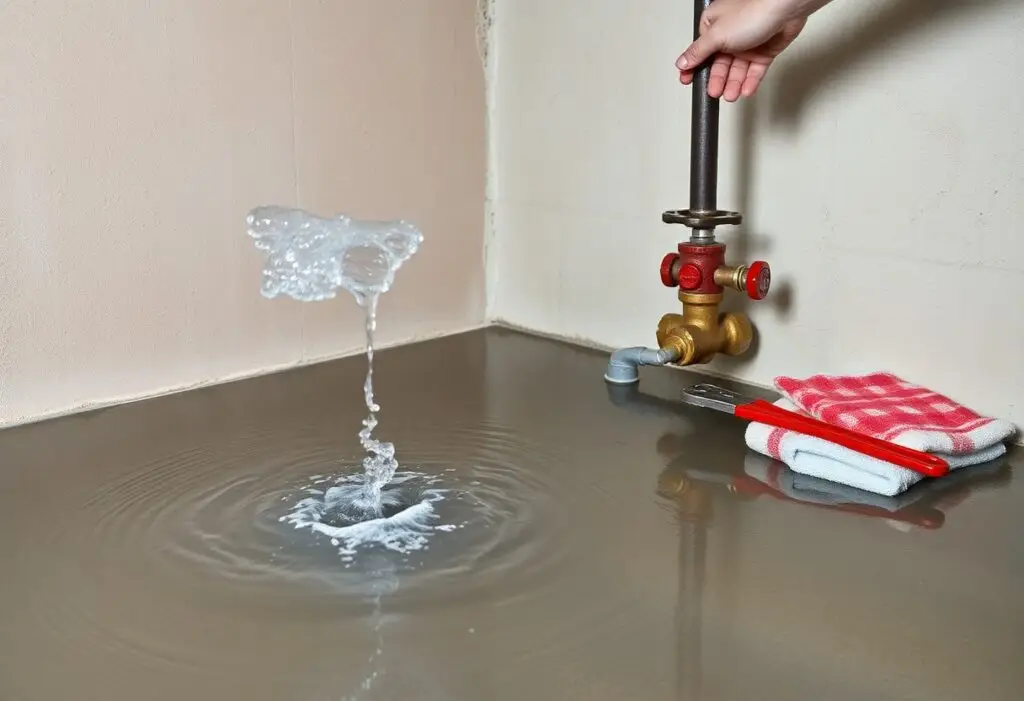
Act fast when you spot a burst pipe-every second counts. Your first move must be to cut off the water supply to prevent extensive flooding and structural harm. Locate your home’s main water valve without delay, as shutting it down quickly can save thousands in restoration costs and protect your property from irreversible damage.
Find the Main Valve
Look in common areas like the basement, crawl space, or near the water meter. The main valve usually sits close to where the water line enters your home. Knowing its location ahead of time gives you a critical advantage-most water damage occurs within the first 60 minutes of a burst.
Turn the Handle Hard
Rotate the valve’s handle clockwise with firm pressure until it stops. Some older valves may stick due to sediment or rust, but you must force it closed to stop the flow. A fully shut valve means no more water will surge through the broken pipe-your home is now safer.
Older homes in Ashburn often have valves that haven’t been operated in years, making them stiff or corroded. Use a wrench if needed, but avoid breaking the valve in the process. Turning it hard ensures a complete seal, which is vital-even a trickle can cause mold or foundation issues within hours. Shutting it fully is non-negotiable for effective control.
Kill the Power
Turn off the electricity immediately to prevent dangerous electrical hazards. Water and live circuits create a serious risk of shock or fire. Your safety depends on acting fast-don’t wait for help to arrive. Cut power at the source before assessing damage further.
Locate the Breaker Box
Find your breaker box quickly, usually in the basement, garage, or utility closet. If you’re unsure where it is, now’s the time to learn. Switching off the main power stops potential electrocution and protects your home’s electrical system from short circuits.
Stay Off the Wet Floors
Avoid walking on wet floors to reduce the risk of slipping or spreading water. Standing water may hide sharp debris or compromised flooring. Each step could worsen structural damage or put you in direct contact with live wires beneath the surface.
Even shallow puddles can conceal serious dangers. Wet subflooring weakens quickly, and added weight may cause collapse. Mold begins forming within 24-48 hours, so minimizing contact also helps limit contamination. Keep everyone, including pets, away until the area is inspected and dried by professionals.
Drain the System
Shut off the main water supply immediately to prevent further flooding. Draining the plumbing reduces pressure and limits potential water damage to walls, floors, and ceilings. This step is necessary before any repair work begins and helps keep your home safer during the restoration process.
Open Every Faucet
Open all faucets throughout your home, starting with the highest point like upstairs bathrooms. This allows air into the system and helps water drain out quickly. Leaving them open prevents trapped water from causing additional leaks when repairs start.
Flush the Remaining Water
Flush every toilet in your home to remove standing water from tanks and bowls. This reduces the risk of overflow if a pipe shifts during repair. Removing this water also helps keep your home dry and minimizes contamination hazards.
Flushing the remaining water from toilets and fixtures ensures that no hidden reservoirs of water remain in the system. Even small amounts left behind can spill during pipe access, leading to unexpected water exposure near electrical systems or insulation. Completing this step thoroughly supports cleaner, safer repairs and reduces drying time afterward.
Document the Ruin
Protecting your rights starts the moment water stops flowing. Insurance claims depend on clear, timely proof of what the burst pipe destroyed. You’re responsible for showing exactly how the damage unfolded, so act quickly and thoroughly to secure the compensation you deserve.
Take Honest Photos
Photograph every affected area before touching anything. Capture wide shots and close-ups of soaked walls, warped flooring, and damaged belongings. These images serve as undeniable evidence when filing your claim, so avoid editing or staging scenes-honesty strengthens your case.
List Every Damaged Item
Record each ruined possession with a brief description and estimated value. Include furniture, electronics, clothing, and structural elements like baseboards or drywall. This inventory becomes a critical part of your insurance submission and helps speed up reimbursement.
When listing damaged items, be specific. Instead of writing “living room couch,” note the brand, age, and condition before the flood. Accurate details prevent disputes and show insurers you’re thorough. Keep receipts if available, but even approximations matter-your goal is completeness, not perfection.
Call the Ashburn Men
When water surges from a burst pipe, time is your biggest enemy. The Ashburn Men respond fast, arriving within the hour to stop the spread and assess structural risks. You’re not just hiring help-you’re stopping irreversible damage before it takes hold.
Hire Local Professionals
You know how fast storms roll through Ashburn-local experts understand the soil shifts and freeze risks unique to this area. Choosing nearby specialists means faster response times and repairs tailored to Virginia’s seasonal extremes, reducing long-term costs and downtime.
Start the Industrial Fans
Once the water stops, you flip the switch on industrial fans immediately. Drying begins within minutes, preventing mold and weakening of floors or walls. This step isn’t optional-it’s your first real defense against hidden damage.
Running industrial fans isn’t just about moving air-it’s about controlling the environment before rot or mildew take root. These units pull moisture from walls and subflooring faster than standard airflow ever could. Leaving them off even one night can double the repair scope, so activation is non-negotiable the moment the source is contained.
Save the Goods
Act fast to protect your belongings after a burst pipe. Water exposure can ruin electronics, documents, and sentimental items within minutes. Remove undamaged items from wet areas and place them in a dry, secure space. Prioritize valuables and anything that cannot be replaced easily to minimize long-term losses.
Lift the Furniture
Place aluminum foil or wood blocks under furniture legs to prevent permanent staining and warping. Keeping wood off soaked flooring stops further damage and mold growth. This simple step preserves your furniture and reduces repair costs significantly if done quickly.
Clear the Wet Rugs
Remove damp rugs immediately to avoid mold and odors. Standing water beneath rugs creates a breeding ground for harmful bacteria. Roll them up carefully and set them aside for professional cleaning or drying in a well-ventilated area.
Leaving wet rugs in place accelerates subfloor damage and compromises indoor air quality. Mold can begin growing in as little as 24 to 48 hours. After removing them, clean the floor underneath and ensure proper airflow to speed up drying and prevent long-term structural issues.
To wrap up
As a reminder, you must act quickly when facing burst pipe damage in Ashburn, VA. Shut off the water, call a licensed plumber, and begin drying the area to prevent mold. Contact your insurance provider promptly and document all damage. Your swift response minimizes harm and speeds up recovery.
FAQ
Q: What should I do immediately when I discover a burst pipe in my Ashburn, VA home?
A: Turn off the main water supply right away to stop more water from flooding your home. Locate the shut-off valve, usually near the water meter or where the main line enters the house, and turn it clockwise to close. After stopping the water flow, open faucets to drain any remaining water in the pipes. This reduces pressure and helps prevent further damage. Call a licensed plumber in Ashburn as soon as possible to assess and repair the pipe.
Q: How can I minimize water damage while waiting for a plumber to arrive?
A: Start by removing standing water with towels, mops, or a wet-dry vacuum if available. Move furniture, electronics, and valuables away from wet areas to protect them. If safe, turn off electricity to the affected area by switching off the circuit breaker-this prevents electrical hazards. Use fans or open windows to increase air circulation and slow mold growth. Document the damage with photos for insurance claims before cleaning begins.
Q: Will my homeowner’s insurance cover burst pipe damage in Ashburn?
A: Most standard homeowner’s insurance policies cover sudden and accidental water damage from burst pipes, especially if you took prompt action to address the issue. Coverage typically includes repairs to damaged walls, flooring, and personal property. However, damage from long-term leaks or lack of maintenance may not be covered. Contact your insurance provider quickly to report the incident and start the claim process. A professional restoration company can provide documentation and estimates to support your claim.