Sewer backups in your Leesburg home demand immediate attention when water rises in multiple drains or toilets. Foul odors, gurgling sounds, and sewage surfacing outdoors signal a serious blockage. Ignoring these signs risks health hazards and costly damage. You need fast professional help when symptoms spread across your plumbing system.
The Warning Signs
Ignoring early symptoms of a clogged main sewer line can lead to costly damage and health risks. You may notice slow drains, foul odors, or wet spots in your yard. Catching these signals early helps prevent a full system failure and protects your home in Leesburg, VA.
Water backing up through floor drains
Seeing wastewater rise from basement floor drains is a dangerous red flag. This reverse flow means sewage has nowhere else to go. It often signals a severe blockage in the main line and requires immediate professional attention to avoid contamination and structural harm.
Multiple fixtures failing at once
Hearing gurgling sounds while your shower, toilet, and sink all drain poorly at the same time points to a shared problem. This widespread dysfunction typically means the main sewer line is obstructed, not individual plumbing fixtures.
When multiple fixtures fail together, it’s rarely a coincidence. Your home’s plumbing relies on a unified drainage system, and if water can’t exit through one path, it affects every connected outlet. A clog in the main line stops waste from leaving, causing simultaneous backups in bathrooms, kitchens, and laundry areas. This pattern distinguishes a main line issue from isolated clogs and demands urgent inspection to prevent overflow and sewage exposure.
The True Emergency
Some clogs are inconvenient, but others become true emergencies. When raw sewage backs up into your home or all drains stop working at once, your health and property are at immediate risk. These situations demand urgent professional response-waiting could lead to contamination, structural damage, or costly repairs down the line.
Raw sewage in the living space
You’re facing a serious hazard when wastewater flows from toilets, showers, or floor drains into your home. This isn’t just messy-raw sewage carries harmful bacteria and pathogens. Immediate evacuation of affected areas and emergency plumbing service are required to protect your family and prevent long-term health risks.
Total loss of drainage function
All your sinks, tubs, and toilets stop draining at the same time. This complete blockage means the main sewer line is fully obstructed, and wastewater has nowhere to go. It’s not a matter of waiting it out-this is a full system failure requiring immediate mechanical clearing.
When every drain in your home fails simultaneously, it signals a total blockage in the main sewer line, typically caused by tree root intrusion, collapsed piping, or severe grease buildup. Without functional drainage, daily life grinds to a halt-flushing toilets becomes impossible, and wastewater may begin to surface. Only professional hydro-jetting or drain snaking can restore flow, and delaying service risks flooding and structural damage.
Local Hazards in Leesburg
Leesburg’s unique environment and aging infrastructure create specific risks for your sewer system. Tree density, soil composition, and decades-old piping all contribute to potential blockages. When these factors combine, even a minor clog can escalate into a full sewer backup, threatening your home’s safety and sanitation.
Invasive roots from old trees
Older trees in Leesburg send roots deep into the soil searching for moisture, and your sewer line is a prime target. These roots infiltrate small pipe cracks, expanding over time. Once inside, they’re nearly impossible to remove without professional intervention, leading to recurring clogs and structural damage.
Aging clay pipe infrastructure
Many Leesburg homes still rely on clay sewer lines installed decades ago. These pipes degrade over time, cracking or collapsing under pressure. Even slight ground shifts can misalign joints, inviting debris and roots, making blockages more frequent and severe as the system weakens.
Clay pipes were once the standard, but their lifespan rarely exceeds 50 to 60 years. In Leesburg, where some neighborhoods date back to the mid-20th century, these systems are now failing at an increasing rate. Joints separate, sections sink, and erosion creates voids underground. When a collapse occurs, it often causes immediate, complete sewer blockage with no warning, requiring urgent excavation and replacement to restore service and prevent contamination.
Immediate Field Tactics
Acting fast can prevent extensive water damage when your main sewer line clogs. You’re the first responder in this situation, and your immediate actions determine the outcome. Shutting off water and stopping appliance use limits backup risks and protects your home’s interior from contamination.
Closing the main water valve
Locate your main water valve and turn it clockwise to shut off supply immediately. This stops additional water from entering the system, reducing the chance of sewage backing into your home. Every second counts-delaying this step increases flood risk and potential health hazards from standing wastewater.
Ceasing all appliance use
Stop using sinks, toilets, washing machines, and dishwashers the moment you suspect a clog. Any water added to the system can trigger overflow, worsening the backup. Your household must pause all water-dependent activities until the line is cleared by a professional.
Continuing to run appliances while the main line is blocked forces wastewater to find the nearest exit-often your shower drain or basement floor. Sewage overflow poses serious health risks due to bacteria and contaminants. By halting all water use, you contain the problem and give technicians a safer environment to diagnose and fix the blockage efficiently.
The Professional Strike
Problems with your main sewer line demand immediate expert attention. When water backs up in multiple fixtures or foul odors fill your home, you’re facing a serious blockage that DIY fixes can’t resolve. Only trained technicians have the tools and experience to diagnose and eliminate the root cause before extensive damage occurs.
Video line inspection
This method uses a small camera inserted into your sewer pipe to give you a real-time view of the blockage. You’ll see exactly where tree roots, grease buildup, or collapsed sections are causing trouble. Accurate diagnosis prevents unnecessary digging and ensures repairs target only what’s needed.
High pressure clearing methods
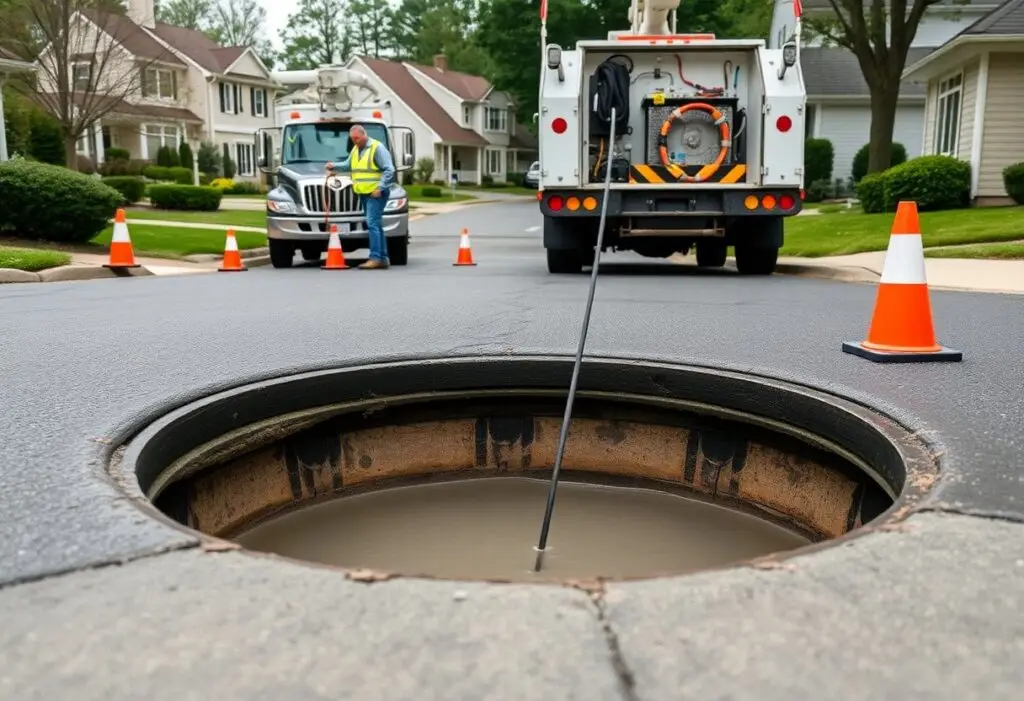
Hydro-jetting blasts away stubborn clogs with water forced at high PSI. You’ll benefit from a thorough pipe cleaning that removes grease, scale, and debris most tools miss. It restores full flow quickly and reduces future clogs when used correctly.
Hydro-jetting isn’t just about clearing a current blockage-it cleans the entire interior of your sewer line. You’ll get a solution that eliminates residue buildup along the pipe walls, which often leads to recurring issues. Because it uses only water, you avoid chemical damage to your pipes or the environment. When performed by a licensed pro, it’s safe, fast, and highly effective for both immediate relief and long-term performance.
Holding the Line
Preventing a clogged main sewer line starts with consistent action on your part. Ignoring small signs can lead to costly, disruptive emergencies down the road. You have the power to catch issues early and keep your plumbing functioning smoothly with simple, proactive habits.
Regular maintenance checks
Scheduling routine inspections helps you catch developing problems before they escalate. A professional can identify early signs of buildup or tree root intrusion that aren’t visible to the untrained eye. This simple step keeps your system running and avoids unexpected backups.
Proper disposal of waste
Flushing only toilet paper and human waste protects your pipes from avoidable blockages. Items like wipes, feminine hygiene products, and paper towels don’t break down and can cause serious clogs. Your sewer line depends on your choices in the bathroom and kitchen.
Many homeowners don’t realize that even products labeled “flushable” can cling to pipe walls and accumulate over time, creating a trap for grease and debris. In your kitchen, avoid pouring fats, oils, or food scraps down the drain. These substances solidify and contribute to major obstructions in your main sewer line. Staying mindful of what goes down your drains is one of the most effective ways to prevent an emergency.
Final Words
Summing up, a clogged main sewer line in Leesburg, VA, becomes an emergency when you see sewage backing up, notice persistent gurgling drains, or detect foul odors from multiple fixtures. You need immediate professional help in these cases to prevent property damage and health risks. Acting fast protects your home and ensures your plumbing system returns to normal quickly.
FAQ
Q: What signs indicate a clogged main sewer line in Leesburg, VA is an emergency?
A: Multiple backed-up drains, sewage surfacing in the yard, gurgling sounds from plumbing fixtures, and foul odors throughout the house signal an emergency. When water can’t exit the home and starts reversing into showers, toilets, or basements, the blockage is likely in the main sewer line. In Leesburg, where older homes and tree root intrusion are common, these symptoms require immediate attention to prevent contamination and structural damage.
Q: How quickly should I respond if my main sewer line clogs in Leesburg?
A: Response time matters when raw sewage is involved. If wastewater is backing up into the home or pooling outside, call a licensed plumber within the hour. Delays can lead to contaminated water damaging flooring, walls, and personal belongings. In Leesburg’s climate, where seasonal ground shifts and heavy rains occur, waiting even a few hours can worsen the blockage or cause pipe collapse.
Q: Can a clogged main sewer line cause health risks in a Leesburg home?
A: Yes. Raw sewage contains bacteria, viruses, and harmful pathogens. When a main line clog forces waste to surface indoors or in the yard, it creates a health hazard for children, pets, and adults. Skin contact or inhalation of fumes can lead to illness. In residential neighborhoods across Leesburg, especially in areas with shared sewer laterals or older clay piping, prompt cleanup and professional inspection are necessary to ensure safety.