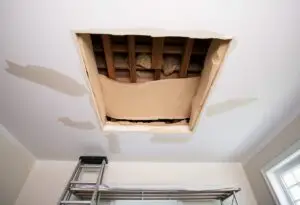
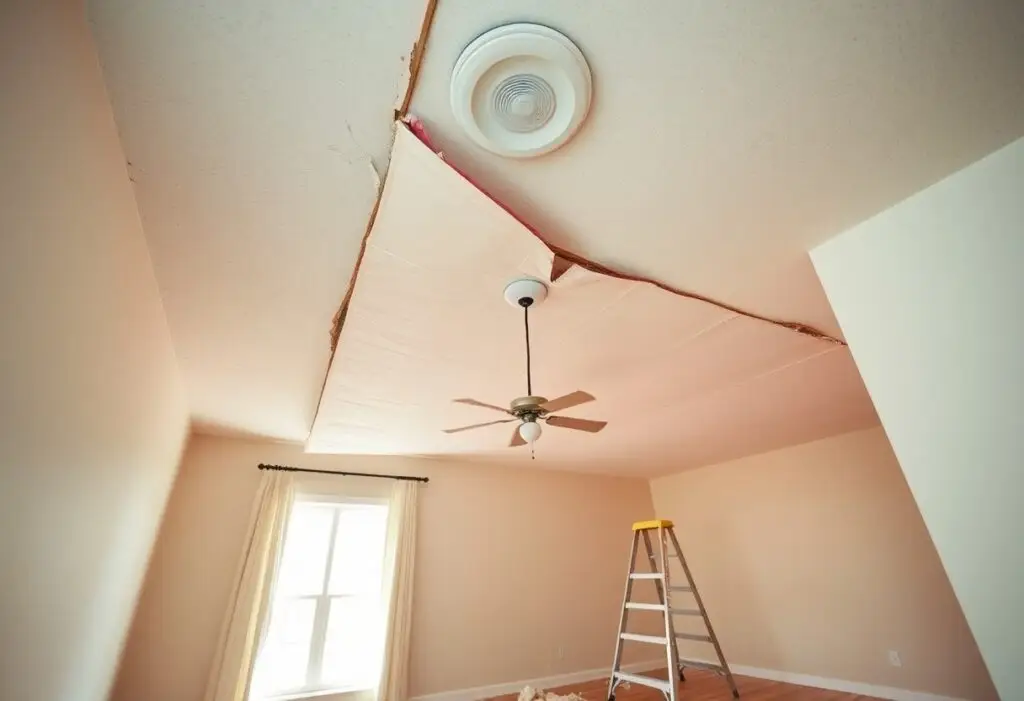
Ceiling drywall sagging or pulling away from joists is a dangerous warning sign of structural stress or moisture damage. If you see gaps, bulges, or nails popping through, address it immediately to prevent collapse. In Ashburn’s shifting climate, temperature swings and humidity can worsen damage. Early repair protects your home and safety.
The Sagging Sky of Ashburn
You see it first in the corners-subtle dips where your ceiling meets the wall. That sagging drywall isn’t just unsightly; it’s a warning. Water damage from a leaky roof or plumbing issue often causes this droop, weakening the structure over time. Ignoring it risks collapse, especially after heavy rains common in Ashburn. Your ceiling should look solid, not like a sinking cloud.
The Map of Cracks
You’re seeing cracks spread across your ceiling like a spiderweb, and that’s not normal. These patterns often signal structural stress or long-term moisture exposure. A single hairline crack might be harmless, but branching or widening fissures mean immediate attention is needed. If corners near the drywall joints are pulling apart, your home could be shifting. Don’t wait-this is your ceiling telling you something’s wrong.
The Rot of the Humidity
You feel that damp chill in the air before you see the damage. In Ashburn’s humid summers, moisture seeps into your ceiling, softening drywall and feeding mold behind the surface. That sagging panel isn’t just cosmetic-it’s a warning. Prolonged exposure weakens structural adhesion, risking sudden collapse. Ignoring it puts your home and health at risk.
The Screws That Give Way
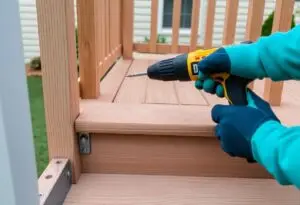
You might not notice it at first, but loose or popped screws are a clear warning sign of failing drywall. When fasteners pull away from the ceiling joists, the drywall begins to sag. This isn’t just cosmetic-it can lead to collapse without warning. If you see screws protruding or nail pops forming patterns, action is required immediately to prevent injury or further damage.
The Sudden Heavy Fall
You never expect a chunk of drywall to crash down without warning, but when it does, the risk of injury is real. A collapsing ceiling section can weigh dozens of pounds, posing serious harm to anyone below. If you’ve heard a loud pop or seen cracks spreading, that’s not just cosmetic damage-it’s a failing structure. Don’t wait for the next fall; act now.
The Call to the Skilled Man
You see the sagging drywall and know it won’t fix itself. Ignoring it risks collapse, putting your family or tenants in danger. A licensed professional assesses the damage quickly, identifying moisture sources or structural flaws behind the wall. Early intervention prevents costly repairs and protects your home’s integrity. Call a trusted drywall specialist in Ashburn today-before a small problem becomes a major hazard.
Conclusion
As a reminder, drywall hanging off the ceiling in Ashburn, VA, signals underlying structural or moisture issues you can’t afford to overlook. You risk further damage or potential hazards if left unaddressed. Contact a qualified contractor promptly to assess and repair the problem, ensuring your home remains safe and sound.
FAQ
Q: What are the common signs that drywall is hanging off the ceiling in Ashburn, VA homes?
A: Sagging drywall often shows visible bulges or dips in the ceiling, especially near corners or seams. Cracks may appear along the joints or around light fixtures. You might notice nails or screws pulling away from the surface, or the drywall tape starting to peel or bubble. In more advanced cases, the drywall may make cracking sounds or feel soft to the touch. These signs are more common in older homes or after periods of heavy rain or humidity, which are frequent in the Ashburn climate.
Q: Why does drywall separate from the ceiling in homes around Ashburn?
A: Drywall separates due to moisture exposure, poor initial installation, or structural shifting. Ashburn’s seasonal humidity and occasional water leaks from roofs or plumbing can weaken the adhesive or fasteners holding the drywall. Over time, drywall screws can loosen, especially if undersized or improperly spaced. Homes built with lightweight trusses may also experience slight movement that stresses ceiling joints. Pests like rodents or water damage from attic leaks contribute to the problem, making early detection crucial.
Q: Can I fix a sagging ceiling drywall myself, or should I call a professional in Ashburn?
A: Minor cracks or small loose corners might be manageable with DIY repairs using drywall screws and joint compound. However, if the drywall sags more than an inch, shows widespread cracking, or feels unstable, it’s unsafe to handle alone. A professional contractor can assess whether the issue stems from water damage, structural failure, or mold growth-problems that require more than surface fixes. In Ashburn, licensed drywall and remodeling experts have the tools and experience to repair or replace damaged sections safely and up to code.