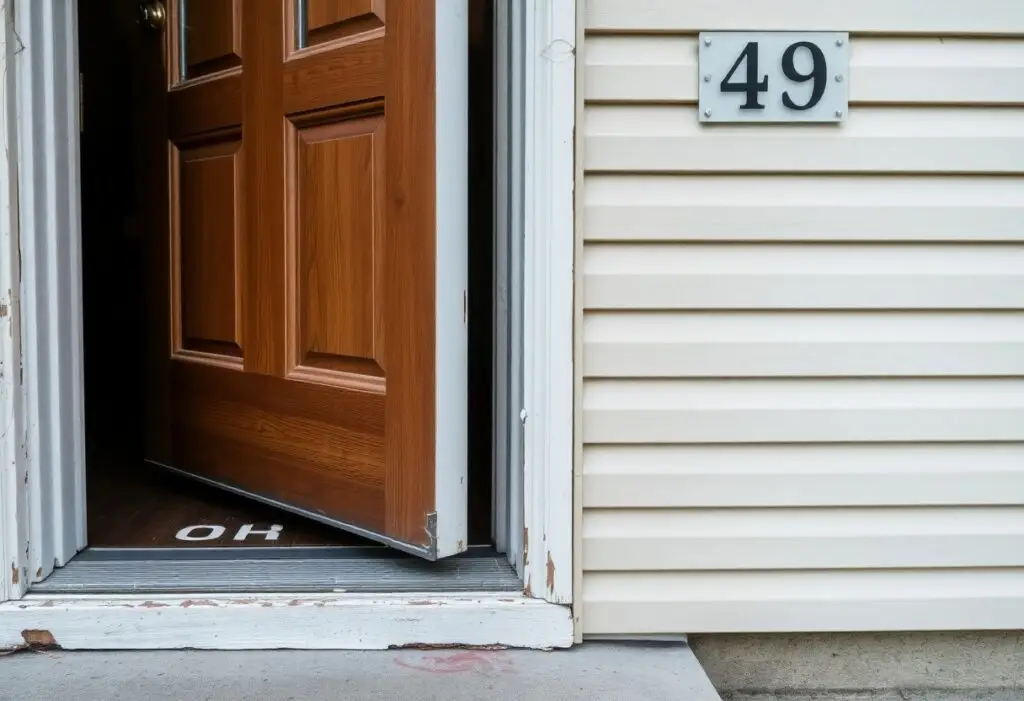
Just because your front door sticks or won’t latch doesn’t mean it’s time for a replacement. Warped frames from humidity changes are common in Sterling’s climate. A misaligned strike plate can be a safety hazard, leaving your home vulnerable. You might also notice gaps letting in pests or drafts, signaling it’s time for an inspection.
The Heavy Air of Sterling
Humidity in Sterling can turn your front door into a stubborn barrier. Wood expands when moisture fills the air, especially during summer months. You’re not imagining it-your door really does stick more in July than in January. This seasonal shift is predictable, but it doesn’t have to be permanent.
Wood That Swells
Wood reacts to humidity by absorbing moisture from the air. Your door frame may warp slightly, creating friction against the jamb. Even a small expansion can prevent a smooth close. This is especially true for solid wood doors exposed to Sterling’s damp springs and humid summers.
The Fight Against Moisture
Moisture doesn’t just affect wood-it can compromise your home’s energy efficiency and security. Condensation in door joints leads to warping, rusted hardware, and even mold. You’re not just battling a stiff door; you’re defending your home’s integrity from persistent dampness.
Every time you force a swollen door shut, you risk damaging the frame or hinges. Over time, repeated stress can misalign the entire assembly. Installing weatherstripping and using a dehumidifier indoors helps maintain balance. Sealing exterior trim and ensuring proper drainage around your foundation also reduces moisture exposure. These steps protect not just function, but the long-term safety of your entry point.
Ground That Will Not Stay Still
Soil movement under your home can silently distort how your front door functions. In Sterling, VA, seasonal moisture changes cause the earth to swell and shrink, especially in areas rich with expansive clay. This constant shift places uneven pressure on your foundation, leading to misaligned door frames and stubborn closures.
Shifting Clay Foundations
Clay-heavy soil around your home expands when wet and contracts when dry. This cycle pushes and pulls on your foundation, often causing one side to settle. The result? A door frame that’s no longer square, making it difficult or impossible to close smoothly.
A Frame Out of Plumb
Your door frame relies on vertical and horizontal alignment to operate correctly. When foundation movement tilts the structure, the frame goes out of plumb. Even a slight deviation prevents the latch from engaging, leaving your entry unsecured and exposed.
When your door frame loses its plumb, it’s not just an inconvenience-it signals structural stress. Walls can crack, floors may slope, and long-term damage becomes likely if ignored. The misalignment often worsens over time, so addressing the root cause-typically foundation settlement-is necessary for safety and stability. A professional assessment can determine whether piers, supports, or realignment are needed to restore proper function.
The Wear of Metal
Constant use takes a toll on your door’s hardware over time. Metal components like hinges and strike plates wear down, especially in homes near Sterling’s changing weather patterns. As tiny shifts accumulate, you may notice the door no longer latches securely, signaling it’s time to inspect for visible thinning or misalignment.
Screws That Lose Their Hold
Screws anchoring your hinges can loosen or strip from the frame. Repeated stress causes them to wobble free, creating gaps that prevent a tight seal. You might hear creaking or see visible gaps around the latch side, especially after seasonal shifts in humidity and temperature.
The Sag of the Hinge
Your door may begin to sag when hinges fail to support its weight evenly. Even a slight droop misaligns the latch with the strike plate, making it hard to close. This often shows up after years of use or if lower hinges bear most of the strain.
When one hinge sags, it’s rarely just a cosmetic issue. The imbalance transfers pressure to other parts of the frame, potentially warping wood or cracking surrounding drywall. Left unattended, the misalignment can lead to costly repairs-or force you to replace the entire assembly prematurely. Tightening or replacing lower hinge screws with longer ones often restores stability quickly.
The Latch and the Strike Plate
Your door relies on a precise connection between the latch and the strike plate to stay securely closed. If the metal components don’t meet correctly, the door may appear shut but isn’t truly latched. This miscommunication often stems from wear or shifting in the frame, leading to potential security risks and weather exposure.
A Bolt Without a Home
A bolt that misses its opening fails to anchor your door. When the latch doesn’t slide fully into the strike plate, it leaves the door vulnerable. This gap might seem minor, but it can result in difficulty locking or even prevent closure altogether.
The Misaligned Strike
Over time, your door may shift slightly due to foundation settling or seasonal wood swelling. This movement can misalign the strike plate, so the latch no longer slides in smoothly. The result? A door that refuses to close properly, especially in colder months.
When the strike plate is out of position, even a small gap can cause big problems. You might notice scraping or resistance when closing the door. Ignoring it can lead to further damage in the jamb or lock mechanism. A simple adjustment-repositioning the plate or enlarging the receiving mortise-often restores smooth operation and ensures your home remains secure.
Too Many Coats of Paint
You’ve likely added paint over the years without realizing how it builds up. Each layer narrows the gap between door and jamb, creating resistance. Even a fraction of an inch can prevent a secure closure, especially in humid climates like Sterling, VA, where wood swells. Stripping old paint may be necessary to restore smooth operation.
Friction in the Jamb
Friction where the door meets the frame often stems from misalignment or swelling. Wood expands with seasonal humidity changes, pressing the door into the jamb. You might notice scraping at the top or latch side. A small adjustment to hinges or planing the edge slightly can resolve the bind.
The Build of Years
Years of settling, weather exposure, and repeated use take a quiet toll. Subtle shifts in your home’s structure can throw off door alignment. Even minor foundation movement or worn strike plates contribute. These small changes accumulate, making the door harder to close over time.
Time alters more than just appearance-it affects function. Your door may have operated smoothly for years, but gradual settling in the foundation or shifting of framing can misalign the entire unit. Worn hinges, a drifting strike plate, or compressed weatherstripping all play roles. Left unaddressed, this leads to increased strain on the frame and potential security gaps. A professional assessment ensures lasting correction.
The Cold Virginia Wind
Winter in Sterling brings biting winds that test your front door’s seal. When temperatures drop, drafts can seep through tiny openings, causing the door to warp or freeze shut. Ignoring these signs risks higher energy bills and potential water damage from melted ice infiltration.
Shrinking of the Seal
Temperature swings cause the rubber weatherstripping around your door to contract. Over time, this repeated shrinking leaves gaps that let in cold air. Once compromised, the seal loses its ability to block drafts, making it harder for your heating system to keep up.
Gaps in the Threshold
Visible spaces under the door mean pests and cold air can enter freely. Even a quarter-inch gap can drastically reduce energy efficiency and allow moisture to seep in, leading to rot or mold over time.
When gaps appear in the threshold, it’s often due to settling or wear. The metal or vinyl strip may no longer lie flush, creating an opening that invites drafts and insects. Left unrepaired, this small flaw can escalate into costly structural issues, especially during Virginia’s freeze-thaw cycles.
Final Words
Your front door won’t close properly in Sterling, VA, often due to shifting foundations, worn hinges, or weather-related swelling. Seasonal temperature changes and humidity affect wood and frames. You can address minor issues with adjustments, but persistent problems need professional inspection to ensure security and energy efficiency.
FAQ
Q: Why won’t my front door close properly in Sterling, VA?
A: A front door that won’t close can be caused by several common issues. In Sterling, seasonal changes play a big role due to the area’s fluctuating humidity and temperature. Wood doors and frames expand and contract with moisture in the air, especially during humid summers or dry winters. This swelling can cause the door to rub against the frame. Misaligned hinges, a shifted door jamb from settling foundation, or worn strike plates can also prevent a smooth closure. Checking for visible gaps or resistance when closing helps identify the source.
Q: Can foundation shifts in Northern Virginia affect my front door’s operation?
A: Yes, homes in Sterling and surrounding areas often experience minor foundation settling over time. The region’s clay-rich soil expands when wet and shrinks during dry spells, leading to subtle shifts in the house structure. These movements can twist or tilt the door frame slightly, making the door bind or stick. If the door only latches when forced or requires lifting to close, it may signal frame misalignment due to foundation movement. A professional inspection can determine whether structural repairs are needed.
Q: What should I do if my front door latch won’t catch?
A: A latch that fails to engage often points to hardware or alignment issues. The strike plate may be out of position, or the door has sagged due to loose hinge screws. Start by checking if the latch lines up with the hole in the strike plate. Tightening hinge screws or replacing them with longer ones can stabilize the door. If the problem persists, the frame may need shimming or the strike plate adjusted. In older homes common in Sterling, worn components may require replacement to restore secure closure.