Most summer storms in Sterling arrive with little warning and can cause severe roof damage, basement flooding, and power outages. You should inspect gutters, test sump pumps, and secure outdoor items now. A few proactive steps greatly reduce the risk of costly repairs and keep your family safe when storms hit.
The Roof and the Rain
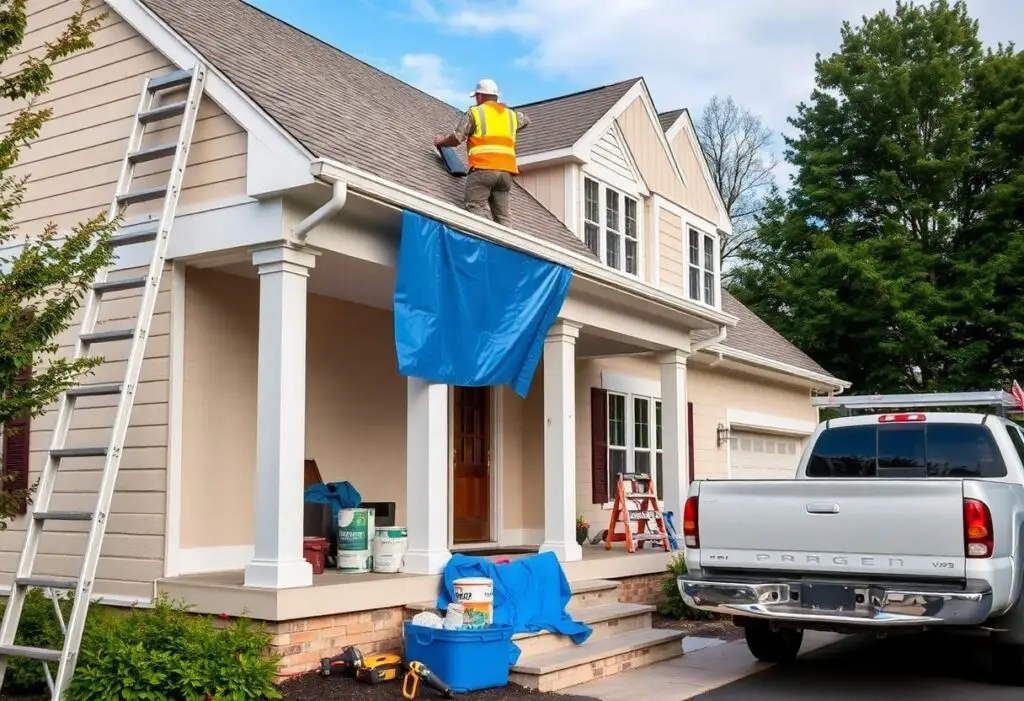
Your roof is your home’s first defense when summer storms roll through Sterling. Heavy downpours expose even small weaknesses, so inspecting for damage now prevents costly interior leaks later. Don’t wait until water stains appear-proactive checks keep your attic dry and your structure sound.
Searching for Loose Shingles
Wind often lifts or cracks shingles without obvious signs from the ground. Climb a ladder and check near ridges and edges where damage is most common. Replace any that are curled, torn, or loose to stop water from sneaking underneath during heavy rain.
Clearing the Heavy Gutters
Overflowing gutters can lead to foundation damage and roof leaks. Debris like leaves and twigs traps water, causing it to back up under shingles. Clean them thoroughly to ensure rain flows freely away from your home’s critical areas.
Gutters filled with sludge don’t just strain the system-they create standing water that attracts pests and accelerates rust in metal components. When gutters can’t channel runoff, water drips too close to the foundation, increasing the risk of basement flooding. Use a scoop and garden hose to flush out buildup, and consider installing guards to reduce future maintenance.
The Ground and the Water
Water behaves differently depending on the soil and slope around your home. If the ground doesn’t direct runoff away from your foundation, basement flooding becomes a real risk during heavy summer storms. You’ve already checked gutters and downspouts-now it’s time to examine how water moves across your yard after a downpour.
Testing the Iron Pump
Your sump pump runs silently until it’s needed most. Turn it on manually by pouring water into the pit and watch for a strong, steady discharge. If it hesitates or makes grinding noises, a failure could leave your basement underwater during the next storm.
Sloping the Dark Soil
Soil should slope away from your foundation at least six inches over the first ten feet. Flat or inward-sloping ground pulls water toward your walls, increasing pressure and the chance of leaks. Reshaping the grade now prevents costly damage later.
Dark, damp soil near your foundation often means water is pooling instead of draining. This isn’t just about appearance-saturated earth expands and contracts, stressing concrete over time. By regrading with topsoil and compacting it in layers, you create a reliable path for stormwater. Proper slope stops water at the source, protecting your home’s structural integrity all summer long.
The Trees and the Wind
Strong summer storms can turn weak branches into dangerous projectiles. You need to inspect your trees now for signs of decay or instability. Dead or hanging limbs pose the greatest risk during high winds. A single falling branch can damage your roof or power lines. Address concerns before the season hits full force.
Cutting the Dead Wood
Dead wood attracts pests and increases storm damage risk. You should remove brittle, leafless branches before wind speeds rise. Ignoring these limbs could lead to costly repairs. Hire a certified arborist if the work involves large limbs or proximity to power lines.
Securing the Yard Gear
Loose tools, furniture, and decorations become hazards in high winds. You must store or anchor outdoor items before storms arrive. Unsecured yard gear can break windows or injure people. A few minutes of prep can prevent serious damage.
When winds exceed 50 mph, even heavy grills and patio sets can shift or flip. Anchor lightweight structures with stakes or store them in a garage. Propane tanks should be turned off and placed upright in a shaded, secure area. Consider investing in storm-rated covers or storage bins. Taking these steps now keeps your property-and your neighbors’-safe when storms roll through.
The Power and the Light
Every summer storm tests your home’s readiness, and your backup power sources are the first line of defense. Without a reliable generator and fresh fuel supply, extended outages can leave you in the dark far longer than necessary. Make sure your system runs smoothly before the clouds roll in.
Checking the Fuel Supply
Your generator won’t help if it’s out of fuel. Check the tank now-old gasoline degrades and can clog systems. Fresh, stabilized fuel ensures your unit starts when you need it most. Top it off before storm season begins.
Gathering the Spare Lamps
Lanterns and flashlights are useless without working bulbs or batteries. Gather spare lamps and LED bulbs now. A single failed light can leave key areas unsafe during a nighttime outage. Keep spares in an accessible, dry spot.
Having extra lamps on hand means more than just light-it means safety and control when the power fails. Don’t wait until the storm hits to realize your flashlight’s bulb is dead. Test each light, stock compatible spares, and include battery-powered options. A working lamp in the basement or garage can prevent accidents and speed up repairs after heavy winds.
To wrap up
Now you know what to check before summer storms hit. Inspect your roof, gutters, and windows to prevent costly damage. Ensure trees near your home are trimmed and secure outdoor items. Being proactive protects your property and gives you peace of mind when severe weather arrives.