It’s your home’s first sign of decay when soft, crumbling wood appears around windows, decks, or siding. Ignoring it risks severe structural damage, compromising safety and value. Early repair prevents costly restoration and protects against hidden moisture threats. You can stop deterioration in its tracks with timely, professional intervention.
The Slow Invasion of the Potomac Damp
You feel it first as a chill near the baseboards, a persistent coolness no heater can fix. Moisture from the Potomac’s high water table creeps into crawl spaces, softening wood from below. This hidden damp accelerates rot, weakening support beams before visible signs appear. Left unchecked, what starts as a minor patch of discoloration becomes a threat to your home’s stability.
Marks of a Struggle Already Lost
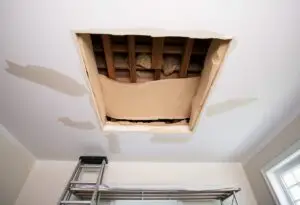
You’ve likely seen the signs-soft spots underfoot, warped baseboards, or paint that bubbles without reason. These aren’t cosmetic flaws; they’re clear indicators of advanced wood decay. When floors sag slightly or doors stick for no apparent cause, structural compromise is already underway. Ignoring these symptoms means allowing moisture and pests to win the battle before you even respond.
The Heavy Toll of Hesitation
You ignore soft spots in your deck, but rot spreads silently, weakening support beams beneath. Every rain accelerates decay, turning minor repairs into full replacements. What started as a patchable flaw becomes a costly structural threat. Delaying action risks safety, invites mold, and invites far higher expenses. Time works against you-addressing rot early saves thousands and protects your home’s integrity.
The Honest Work of the Saw
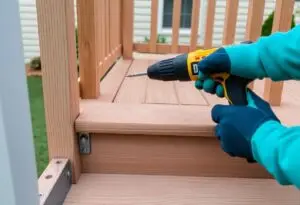
You feel the resistance as the blade bites into compromised wood, a clear sign of advanced decay. Each cut removes fragile, moisture-damaged sections that threaten the integrity of the entire structure. Precision matters-your saw preserves sound timber while eliminating the dangerous rot hidden beneath the surface. This hands-on step proves that lasting repair begins with honest, visible effort.
The Shield Against the Rain
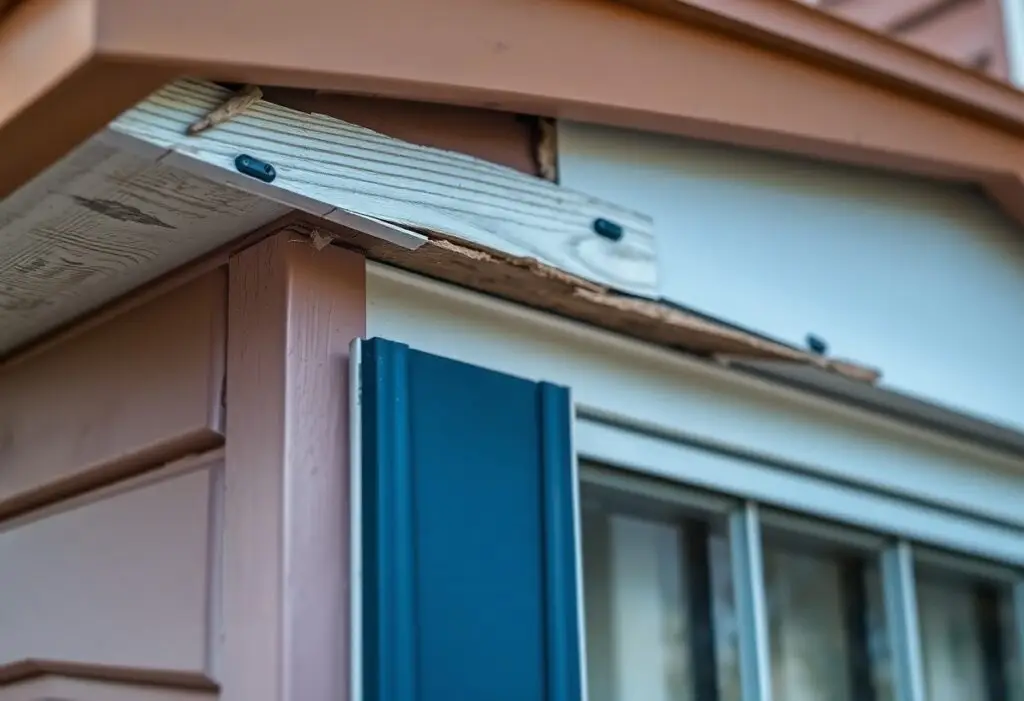
Your home’s exterior is the first line of defense when storms roll through Great Falls. Unseen gaps in siding or compromised trim let moisture sneak in, accelerating wood rot where it’s hardest to spot.
Conclusion
Summing up, you address rotten wood repair in Great Falls, VA to stop minor decay from becoming major structural harm. Early intervention protects your home’s integrity, saves money, and maintains safety. Ignoring soft or crumbling wood risks costly repairs down the line. You take control now by inspecting regularly and acting promptly when damage appears.
FAQ
Q: What are the early signs of rotten wood around my home in Great Falls, VA?
A: Soft or spongy spots in window frames, doors, or deck railings often signal wood rot. Discoloration, darkened or warped wood, and a musty odor near baseboards or exterior walls are common indicators. In older homes common in Great Falls, moisture trapped in wood due to Virginia’s humid climate can accelerate fungal growth. Peeling paint or cracked caulking around trim may also expose underlying damage. Catching these signs early helps prevent deeper structural compromise.
Q: Can I repair rotten wood myself, or should I hire a professional in Great Falls?
A: Minor surface rot, like small damaged sections of trim or fascia, can sometimes be treated with epoxy fillers and proper sealing by a skilled homeowner. However, if the decay extends into load-bearing areas such as support beams, deck posts, or structural framing, professional assessment is necessary. Local contractors in Great Falls understand regional weather patterns and building codes, ensuring repairs meet safety standards and last through freeze-thaw cycles and heavy seasonal rainfall.
Q: How does repairing rotten wood early save money in the long run?
A: Small repairs cost significantly less than replacing entire structural components. Left untreated, wood rot spreads and can weaken joists, headers, or foundation supports, leading to costly reconstruction. In Great Falls, where older homes often have decades-old timber, delaying action may also lead to mold issues or attract pests like carpenter ants. Fixing affected areas promptly maintains property value and avoids emergency repairs during harsh winter or storm seasons.