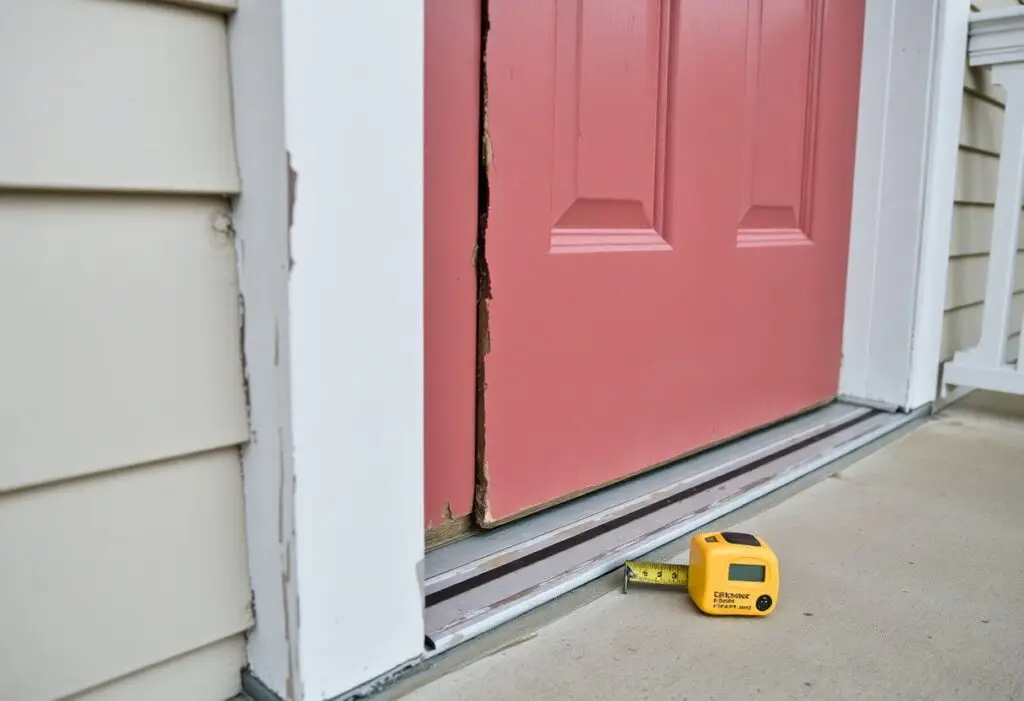
With fluctuating humidity and temperature common in Leesburg, VA, your door frames face a serious risk of warping over time. Moisture absorption, poor installation, and structural shifts can all lead to dangerous misalignment, making doors hard to open or seal properly. Recognizing early signs helps prevent costly damage and maintains your home’s safety and efficiency.
Key Takeaways:
- Temperature and humidity fluctuations in Leesburg, VA, often cause wood door frames to expand and contract, leading to warping over time.
- Poor installation or use of low-quality materials can accelerate frame damage, making regular maintenance vital for long-term stability.
- Water exposure from leaks or high moisture levels near entryways weakens wood fibers, increasing the risk of twisting, bending, or sagging in door frames.
The Heavy Air of Virginia
You feel it every summer-the thick, damp air that clings to your skin and seeps into your home. This humidity doesn’t just make your afternoons sticky; it swells wood door frames over time, especially in older Leesburg homes. When moisture penetrates the grain, the wood expands, then contracts in drier months, leading to warping and misalignment. You’re not just battling the weather-you’re fighting a slow, silent shift in your home’s structure.
The Weakness of the Pine
You may have pine door frames because they’re common and affordable, but this softwood warps easily when exposed to moisture or temperature swings. Unlike denser hardwoods, pine lacks structural resilience, making it prone to twisting and swelling over time. If your home in Leesburg experiences humidity changes, pine frames will show damage faster than other materials.
The Faults of the Builder
You may not realize it, but poor initial construction often leads to premature door frame warping. If the builder used green or improperly acclimated lumber, the wood continues to shrink or swell after installation. Improper fastening techniques or skipping structural supports place uneven stress on frames. Even slight errors in plumb or square during installation create weak points that worsen over time. These oversights compromise long-term stability and invite costly repairs down the line.
The Rain on the Threshold
You’ve seen it after heavy spring storms-water pooling near your entryway, creeping under the door. That moisture doesn’t just vanish; it seeps into the frame’s base, causing wood to swell and warp. Over time, repeated exposure leads to structural compromise, making doors stick or fail to latch. Left unchecked, rot can set in, demanding more than simple repairs.
The Movement of the Earth
Shifting soil beneath your home can silently distort door frames over time. Earth movement from settling, erosion, or seismic shifts places uneven pressure on your foundation, leading to misaligned doors. You may notice gaps forming or difficulty latching as a result. This structural stress is often invisible at first, making early detection necessary to prevent costly repairs.
The Heat of the Day
You feel it every afternoon-the sun beats down on your home, and that side with the exterior door takes the brunt. Prolonged exposure to direct sunlight causes wood to expand and contract daily, leading to visible warping over time. This constant shift weakens the frame’s integrity, especially if the finish has degraded. Left unchecked, the damage becomes structural, not just cosmetic.
Summing up
As a reminder, door frame warping in Leesburg, VA often stems from moisture exposure, temperature fluctuations, and poor installation. You see these issues worsen over time when wood expands or contracts. Addressing environmental factors and using quality materials helps maintain structural integrity. You benefit from timely repairs to prevent further damage and ensure smooth door operation.