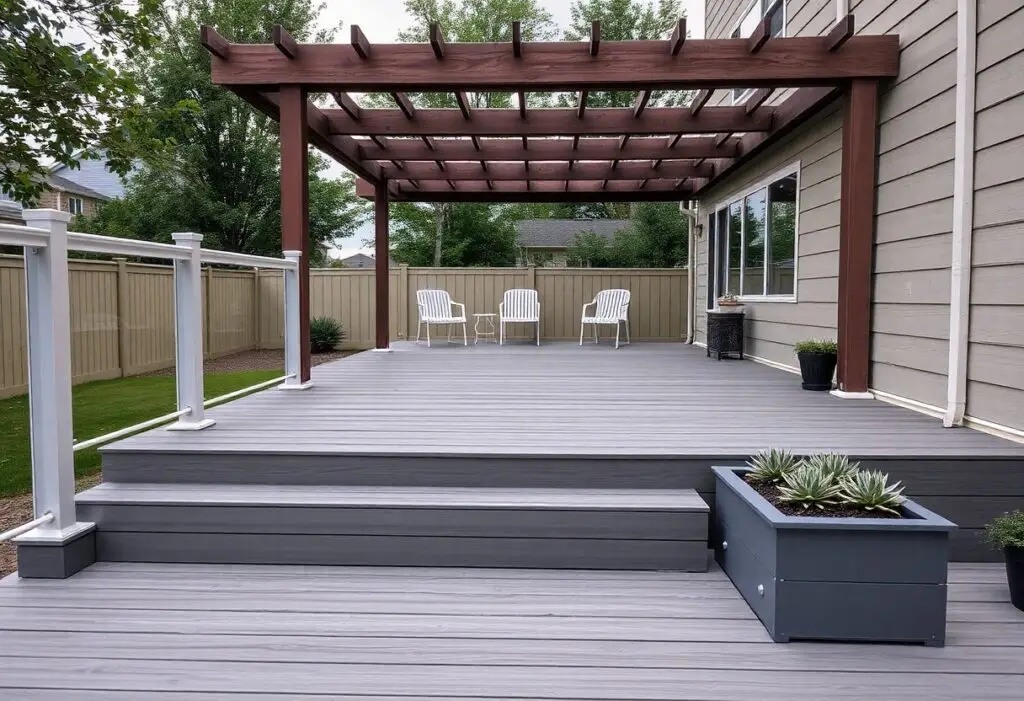
Design your ideal outdoor space by choosing materials like composite decking and hidden fasteners that resist rot, fading, and warping. Position the deck to minimize debris buildup and standing water, which can lead to costly damage. With smart layout choices and durable finishes, you’ll enjoy a beautiful deck that needs little upkeep year after year.
Factors in Selecting Superior Low-Maintenance Materials
Material choice defines your deck’s upkeep and longevity.
- Choose composite decking for wood-like appeal with minimal care
- Opt for PVC decking if moisture resistance is a priority
- Consider mineral-based boards for superior density and fade resistance
Assume that durability and appearance will reflect your initial material decision.
Comparing Composite, PVC, and Mineral-Based Decking
Understanding differences helps you align material with lifestyle needs. Each option offers distinct advantages in texture, resilience, and maintenance.
| Material Type | Key Features |
|---|---|
| Composite | Blend of wood fibers and plastic; resists rot and offers natural look |
| PVC | Fully synthetic; impervious to moisture and insects |
| Mineral-Based | High-density inorganic core; zero swelling and exceptional scratch resistance |
Benefits of Utilizing Steel or Aluminum Substructures
Steel or aluminum framing stays strong in wet conditions where wood rots. These materials resist warping and pests naturally. You’ll spend less on repairs over time. Assume that a metal substructure increases your deck’s lifespan significantly.
Metal substructures eliminate common failures in traditional joist systems. Unlike wood, steel won’t twist, shrink, or decay-even in high-moisture environments. Aluminum offers lightweight strength and doesn’t rust. Both support heavy decking materials securely and meet modern code requirements for span and load. Your deck remains stable and level for decades with minimal intervention.
Evaluating UV Resistance and Long-Term Warranty Coverage
Fading from sun exposure can ruin a deck’s appearance within years. Look for materials with built-in UV protection and color stability. Warranties should cover both structural integrity and surface finish. Assume that a 25-year+ warranty with fade coverage reflects manufacturer confidence.
UV resistance isn’t just about color-it affects material strength. Prolonged sun exposure breaks down polymers in low-grade decking, leading to brittleness and cracks. High-quality boards include protective cap layers and stabilizers. A comprehensive warranty should include labor, stain resistance, and structural performance. These details protect your investment and reduce future costs.
How to Design a Layout for Maximum Efficiency
Efficiency begins with a smart deck layout that supports your lifestyle while reducing upkeep. Position high-traffic zones near the house and align pathways with natural movement patterns. Minimize corners and tight spaces where water and leaves gather. Choose a simple geometric shape that’s easier to clean and maintain. Knowing your usage habits shapes a design that works harder with less effort.
Streamlining Deck Geometry to Minimize Debris Accumulation
Straight edges and open corners let wind and rain clear leaves and dirt naturally. Avoid complex angles or recessed areas where debris piles up and moisture lingers. A slightly sloped surface directs water off efficiently. Rounded edges aren’t just safer-they resist grime buildup. Knowing how shape affects cleanliness helps you build smarter.
Tips for Incorporating Built-In Low-Upkeep Seating
- Use composite or capped vinyl materials that resist rot and fading
- Design seats with slight pitch for water runoff
- Leave gaps behind and under for airflow and cleaning access
- Anchor securely to the frame to prevent shifting
Built-in seating saves space and reduces furniture clutter, but material and placement matter. Hollow benches can double as storage if sealed properly. Avoid wood that swells or splinters over time. Seating aligned with railings creates a clean, integrated look. Knowing how to blend form and function ensures comfort without extra work.
Planning Access Points for Simplified Surface Cleaning
Wide, unobstructed gaps between railings and furniture let you reach every corner with a broom or blower. Position removable panels near corners where dirt collects. Avoid tight planters or fixed plant boxes that block access. Leave at least 18 inches around perimeter edges. Knowing where grime hides helps you design it away.
Cleaning becomes effortless when access is part of the original plan. Consider hinged deck boards near drainage points for inspection and debris removal. Step-down sections should align with yard exits for direct sweeping onto grass or gravel. Even small gaps between sections add up to big maintenance savings over time. Knowing how to move around your deck shapes how well it stays clean.
Structural Tips for Preventing Moisture Damage
Protect your deck’s frame by using pressure-treated lumber and installing key barriers. Apply joist flashing tape, design proper pitch for drainage, and ensure adequate airflow beneath the structure. After following these steps, long-term moisture damage becomes far less likely.
How to Use Joist Flashing Tape for Frame Longevity
You extend your deck’s life by sealing each joist with self-adhering flashing tape before installing decking boards. This barrier blocks water from penetrating contact points. After sealing all joints, the frame resists rot at its most vulnerable seams.
Designing Proper Pitch for Optimal Surface Drainage
Your deck surface should slope slightly-about 1/8 inch per foot-to direct water away from the house. This intentional pitch prevents pooling and reduces wear on materials. After installation, water flows freely off edges instead of soaking into seams.
Even a small incline makes a big difference in how efficiently rain leaves the surface. Without proper pitch, standing water invites rot, staining, and slip hazards. Position beams and ledger boards with drainage in mind during framing. After the structure is set, correcting pitch issues becomes nearly impossible.
Ensuring Adequate Airflow to Prevent Mold and Mildew
You reduce moisture buildup by leaving space between decking boards and allowing air to circulate under the frame. Elevated designs with open skirting promote continuous airflow, discouraging mold. After construction, routine inspection ensures vents stay unblocked and effective.
Trapped humidity beneath a solid skirt or tight decking layout creates a breeding ground for mold and wood decay. Use perforated metal skirting or lattice with gaps, and space deck boards per manufacturer specs. After airflow is optimized, the substructure stays dry even in damp climates.
Factors in Choosing Durable Railing and Lighting Systems
Long-term enjoyment of your deck hinges on selecting low-maintenance materials and smart design. Focus on corrosion-resistant railing options and energy-efficient lighting that withstand weather extremes. Integrated systems reduce clutter and enhance safety. The right combination boosts both durability and nighttime usability.
- Powder-coated aluminum resists rust and fading
- Composite railings offer color stability and no painting
- Low-voltage LED lights cut energy use and heat output
- Hidden fasteners create clean, snag-free surfaces
Selecting Powder-Coated Aluminum vs. Composite Railings
Material choice shapes both look and upkeep. Powder-coated aluminum delivers strength and resists rust, ideal for coastal areas. Composite railings mimic wood grain without splintering or fading. Each offers minimal maintenance, but aluminum handles impact better. The long-term value depends on your climate and style goals.
Tips for Installing Integrated Low-Voltage LED Lighting
Plan light placement during the framing stage for clean results. Use weatherproof fixtures rated for outdoor use and connect to a low-voltage transformer. Space lights evenly along stairs, railings, and edges for safety. Perceiving subtle illumination enhances ambiance without glare.
- Bury 12-gauge wiring for longer runs
- Install motion sensors to save energy
- Choose 3000K-4000K color temperature for warm, inviting light
- Use direct burial conduit to protect connections
Position fixtures to avoid shadows and eliminate tripping hazards. Aim lights downward to reduce light pollution and highlight key areas. Connect all circuits to a GFCI-protected outlet for safety. Perceiving well-layered lighting transforms your deck into a functional evening retreat.
Evaluating Hidden Fastener Systems for a Seamless Finish
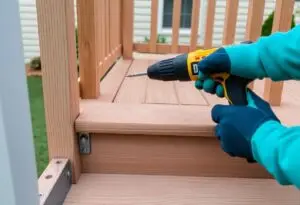
Hidden fasteners eliminate visible screws, creating a smooth, clean-lined surface. They reduce tripping risks and prevent water pooling around exposed hardware. Compatible with composite and engineered wood, these systems clip or slide into place. The result is a polished look that lasts.
These systems require precise joist spacing and compatible decking boards. Some use side clips, others grooved edges for attachment. Installation takes more time upfront but pays off in longevity and appearance. Gaps remain consistent, and surface damage from tools is minimized. The investment supports a sleek, modern aesthetic with less long-term wear.
How to Execute a Professional-Grade Installation
Proper planning ensures your custom deck stands the test of time. Use structural screws, not nails, for all load-bearing connections. Follow local building codes and secure a permit before breaking ground. Install footings below the frost line and use pressure-treated or composite materials where wood meets soil. Knowing the right techniques makes all the difference.
Proper Techniques for Sealing Cut Ends of Synthetic Boards
Always seal cut ends of composite or PVC decking boards with manufacturer-approved end caps or sealant. This prevents moisture intrusion that can lead to swelling or delamination. Skipping this step risks voiding your warranty. Knowing how to protect each board ensures long-term performance.
Tips for Securing Structural Hardware Against Corrosion
Choose stainless steel or hot-dipped galvanized fasteners rated for coastal or high-moisture environments. Avoid mixing metal types to prevent galvanic corrosion. Use code-compliant joist hangers and flash all ledger board connections. Knowing the right materials protects your deck’s integrity.
Corrosion can silently compromise your deck’s safety over time, especially in humid or salty air. Use only hardware specifically rated for exterior structural use. Flash the ledger board thoroughly to block water infiltration behind it. Keep dissimilar metals separated with dielectric unions. Inspect connections annually for rust or pitting.
- Use hot-dipped galvanized or stainless steel fasteners
- Install flashing at all wall connections
- Prevent metal-on-metal contact between different alloys
- Follow ICC-ES or local code requirements
Knowing how to defend against rust ensures your deck remains safe and stable for decades.
Best Practices for Maintaining a Perfectly Level Substructure
Check beam and joist alignment frequently using a laser level or string line. Shim where needed and secure with structural screws. Ensure consistent joist spacing to support decking without sagging. Knowing how to maintain alignment prevents future issues.
Even slight deviations in your substructure can lead to drainage problems and uneven wear. Start by setting beams with a consistent slope for water runoff-typically 1/4 inch per foot. Use joist hangers with code-approved fasteners and verify level across every span. Recheck alignment after securing each component.
- Use joist spacers for uniform gaps
- Double-check beam crowning direction
- Secure rim joists before interior ones
- Verify pitch for effective drainage
Knowing how to build a flat, stable base ensures your deck surface stays flawless.
Essential Tips for Long-Term Maintenance and Care
Protect your deck’s longevity with consistent, simple habits.
- Use pressure-treated materials to resist rot and insects
- Apply waterproof sealant annually to prevent moisture damage
- Clear debris regularly to avoid mold buildup
- Inspect fasteners and joints every six months for structural integrity
Perceiving small changes early saves costly repairs later.
How to Perform Routine Cleaning Without Harsh Chemicals
Clean your deck using only a soft brush, warm water, and mild dish soap. Avoid bleach or ammonia-based cleaners that degrade wood fibers and harm surrounding plants. Rinse thoroughly to prevent residue buildup. This gentle method preserves the surface while maintaining econ-friendly standards. Perceiving cleanliness as part of upkeep keeps your deck looking fresh year-round.
Factors That Determine the Need for Periodic Inspections
Weather exposure, foot traffic, and material type influence inspection frequency.
- Heavy rainfall increases risk of water retention and decay
- Wood species like cedar need less frequent checks than softwoods
- Shaded areas trap moisture, inviting mold and mildew
- High-use zones show wear faster, demanding closer attention
Knowing these variables helps you schedule timely evaluations.
Seasonal shifts and environmental conditions directly impact your deck’s condition. Frequent downpours can saturate untreated boards, leading to warping or splitting over time. Decks near trees face more leaf accumulation, raising mold potential. Materials like composite resist some issues but still require checks for fading or locking mechanism wear. Coastal locations expose surfaces to saline corrosion. Knowing your specific risk factors shapes a smarter, more effective care routine.
Simple Strategies for Protecting Surfaces from Furniture Scratches
Place felt pads or rubber caps under all furniture legs to prevent surface abrasions. Use outdoor rugs in high-traffic seating areas to add a protective layer. Lift, don’t drag, items when rearranging. Perceiving furniture as a source of wear helps you act before damage occurs.
Even lightweight chairs can gouge wood or composite decking over time due to repeated movement. Opt for furniture with wide, flat feet to distribute weight evenly and reduce pressure points. Consider using deck protectors or rolling mats beneath larger pieces like loungers or tables. Avoid metal-framed items with sharp edges, especially on softer decking materials. Knowing how daily use impacts surface integrity guides smarter placement and product choices.
To wrap up
With this in mind, your deck’s longevity and ease of care depend on smart material choices, proper drainage, and strategic layout. You control how much upkeep your outdoor space demands by selecting durable composites, spacing joists correctly, and minimizing features that trap debris. A well-designed low-maintenance deck saves you time and effort for years.
FAQ
Q: What materials are best for a low-maintenance custom deck?
A: Composite decking made from a blend of wood fibers and plastic is one of the top choices for low-maintenance decks. It resists rot, fading, and insect damage better than natural wood. Aluminum and PVC decking are also excellent options because they never need staining or sealing and hold up well in wet or humid climates. Pressure-treated lumber is more affordable but requires regular sealing and is more prone to warping over time. Choosing factory-finished materials with built-in protection reduces long-term upkeep.
Q: How can I reduce cleaning and repairs on my custom deck?
A: Designing with wide spacing between boards helps water and debris drain quickly, preventing mold and mildew buildup. Installing the deck with hidden fasteners gives a clean look and reduces places where dirt can collect. Sloping the deck slightly away from the house directs water off the surface. Using metal or composite railings instead of wood avoids peeling paint and splintering. Positioning the deck to avoid heavy tree shade cuts down on leaf accumulation and moisture retention, which lowers cleaning frequency.
Q: What design features make a deck easier to maintain?
A: A simpler deck shape with fewer corners and angles reduces the number of seams and joints where water can seep in and cause damage. Built-in benches and planter boxes made from low-maintenance materials keep the design functional without adding high-care elements. Recessed lighting powered by low-voltage or solar systems avoids exposed wiring and frequent bulb changes. Including a covered section or pergola with a waterproof top protects the deck surface from constant sun and rain exposure, extending its life with less effort.