This guide shows you how to protect your deck from rot, warping, and structural damage caused by moisture and UV exposure. You’ll learn proven maintenance steps, including cleaning, sealing, and inspecting for weak spots. With the right care, you can add 10+ years to your deck’s lifespan and avoid costly repairs.
Identifying Key Degradation Factors
Exposure to moisture, prolonged sunlight, and pest infestations are leading causes of deck deterioration. Poor ventilation, lack of sealing, and using untreated lumber accelerate wear.
- Water intrusion promotes rot and mold
- UV rays degrade wood fibers and finishes
- Insects like termites compromise structural integrity
Assume that unseen damage is already present if maintenance has been delayed.
Inspecting for wood rot and structural decay
You can spot wood rot by soft, discolored, or crumbly areas on boards and beams. Probe suspicious spots with a screwdriver-deep penetration indicates advanced decay. Check corners and joints where water pools. Assume that
Evaluating the stability of support posts and joists
Wobble or tilt in your deck may signal failing support posts or weakened joists. Look for cracks, splitting, or separation at connection points. Shifting foundations can lead to dangerous instability over time. Assume that
Loose or leaning posts often result from improper footings or soil erosion beneath the structure. Inspect where posts meet concrete-rot starts at ground level due to moisture absorption. Ensure metal brackets are rust-free and fasteners are tight. Sagging joists reduce load capacity and create trip hazards. Address movement immediately to prevent catastrophic failure.
How-to Guide for Deep Cleaning
Regular deep cleaning removes built-up grime and prevents long-term damage to your deck’s surface. You’ll restore its appearance and extend its lifespan by addressing mold, mildew, and dirt that standard sweeping misses. Proper technique and timing make all the difference in maintaining structural integrity while achieving a like-new finish.
Choosing the right cleaning agents for your deck material
Each deck material responds differently to chemical cleaners. For wood decks, use an oxygen-based or deck-specific cleaner to avoid discoloration or fiber damage. Composite surfaces need pH-neutral solutions-harsh chemicals can strip protective coatings. Always check manufacturer guidelines before applying any product.
Safe pressure washing techniques to avoid surface damage
Pressure washing too aggressively can gouge wood or etch composite boards. Use a fan tip nozzle and keep the wand at least 12 inches from the surface. Never exceed 1,500 PSI on wood and 2,000 PSI on composites. Let the detergent do most of the work-rinse gently after dwell time.
Hold the pressure washer at a consistent angle and move in the direction of the grain to prevent splintering. Start on a small, inconspicuous area to test settings. Water forced into seams or joints can cause hidden rot, so avoid aiming directly at gaps between boards. Maintain steady, overlapping passes-rushing leads to uneven cleaning and accidental damage.
Essential Repair Tips for Structural Integrity
Inspect your deck regularly for signs of rot, insect damage, or rusted fasteners. Replace any warped boards and tighten loose connections to maintain stability. Check support posts and joists for wobbling or decay. Addressing these issues early prevents hazardous failures. This
Replacing warped boards and securing loose fasteners
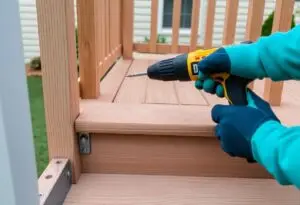
Remove damaged or warped boards using a pry bar and replace them with matching lumber. Drive in loose nails or screws, and consider upgrading to stainless steel fasteners for longer durability. Loose connections compromise safety and performance. This
Sanding surfaces to eliminate splinters and weathering
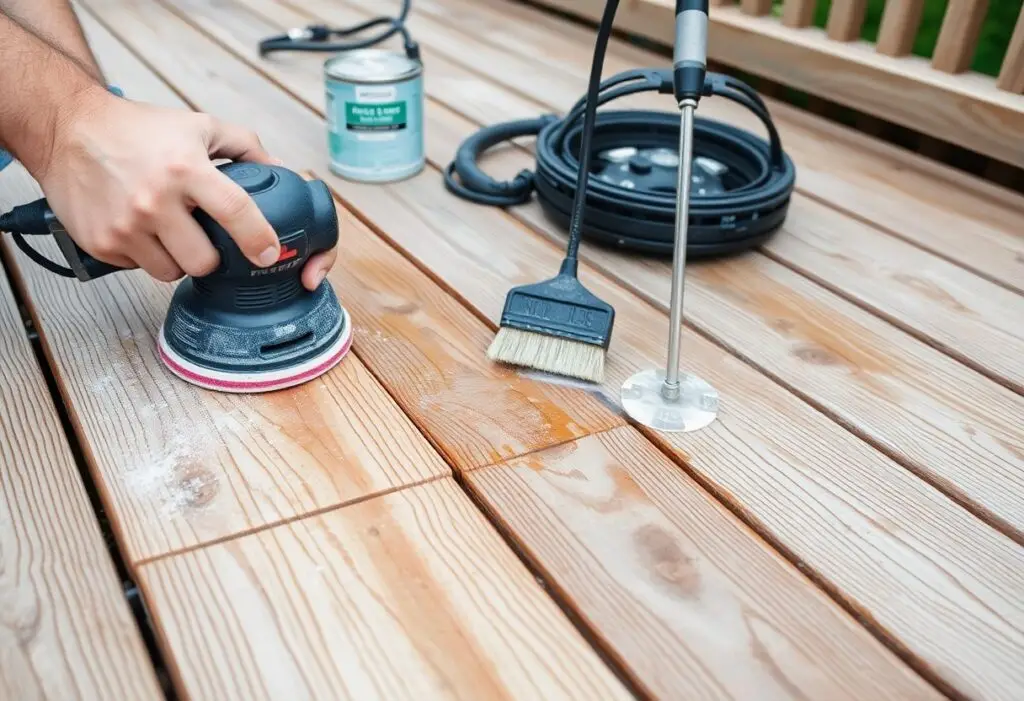
Use a power sander to smooth rough areas and remove weathered wood that can cause splinters. Focus on high-traffic zones like stairs and railings. Sanding prepares the surface for sealants and improves safety. This
Sanding not only enhances comfort underfoot but also removes degraded wood fibers that trap moisture and accelerate decay. A smooth, clean surface allows sealers to adhere properly, extending protection against the elements. Always sand with the grain and wear protective gear to avoid inhaling dust. This
Selecting and Applying Protective Finishes
Choosing the right finish directly impacts how long your deck withstands weather and wear. Oil-based products penetrate deep, enhancing grain, while semi-transparent stains add color without hiding wood texture. Sealants form a surface barrier against moisture. Match the product to your wood type and climate for lasting protection.
Comparing oils, semi-transparent stains, and sealants
| Oils | Deep penetration, natural look, requires reapplication every 1-2 years |
| Semi-Transparent Stains | Color enhancement with grain visibility, lasts 2-4 years, blocks UV damage |
| Sealants | Surface protection only, excellent water resistance, may peel if over-applied |
Step-by-step application for maximum wood absorption
Begin with clean, dry wood-any residue blocks penetration. Use a pump sprayer or brush to apply finish evenly. Work in small sections following the grain. Wipe off excess within 30 minutes to prevent sticky surfaces. Let it cure fully before use.
| Step 1 | Sweep and clean deck; use cleaner if stained or grayed |
| Step 2 | Wait 48 hours of dry weather before applying |
| Step 3 | Apply finish with brush or roller, saturate evenly |
| Step 4 | Back-wipe excess to avoid pooling and peeling |
| Step 5 | Allow 48-72 hours to cure; avoid foot traffic |
Managing Environmental Impact Factors
Environmental conditions play a major role in your deck’s longevity.
- Exposure to moisture can lead to rot and mold
- UV radiation fades and weakens wood fibers
- Poor ventilation traps dampness beneath the structure
- Extreme temperature swings cause materials to expand and contract
The right preventive steps reduce wear and extend service life.
Mitigating moisture through proper drainage and ventilation
Water pooling under or on your deck accelerates decay and invites pests. Ensure the ground slopes away from the structure and keep gutters clear to direct runoff. Install gravel beds or perforated pipes if drainage is poor. The sooner you address dampness, the better your deck will hold up over time.
Protecting surfaces from UV radiation and extreme heat
Sun exposure dulls finishes and dries out wood, leading to cracks and splintering. Apply a UV-blocking sealant annually and consider installing shade sails or pergolas for coverage. The right protection keeps your deck looking fresh and structurally sound for years.
Extended sunlight doesn’t just fade color-it breaks down lignin, the compound that holds wood cells together. Without a protective barrier, your deck becomes brittle and more prone to warping. Using a finish with built-in UV inhibitors significantly slows this degradation. The most durable results come from combining chemical protection with physical shade solutions.
Strategic Maintenance Tips for Longevity
Protect your deck’s integrity with consistent care.
- Perform seasonal inspections to catch issues early
- Clear debris to prevent moisture buildup and rot
- Address loose boards or fasteners promptly
- Reapply protective sealant every 1-2 years
This preserves both appearance and structural safety over time.
Establishing a seasonal inspection and debris removal routine
Inspect your deck each season for signs of warping, mold, or insect activity. Remove leaves, dirt, and standing water to prevent wood decay and slip hazards. Check railings and stairs for stability after winter frost or heavy rains. This reduces long-term damage and keeps your outdoor space safe. This builds lasting durability.
Quick fixes for minor surface wear and tear
Address small splinters or cracks immediately to prevent worsening damage. Sand rough spots and fill gaps with deck repair epoxy for a smooth finish. Replace damaged fasteners with corrosion-resistant options. These simple actions maintain comfort and safety underfoot. This prevents minor flaws from becoming major repairs.
When you spot a shallow crack or slightly raised grain, don’t wait. Light sanding with medium-grit paper evens the surface and eliminates splinter risks. For hairline splits, inject a water-resistant wood filler and let it cure fully before sealing. If a board end is lifting slightly, secure it with stainless steel screws-never nails. This stops moisture from seeping beneath and causing rot. This keeps your deck looking clean and safe with minimal effort.
Summing up
Conclusively, you extend your deck’s life by cleaning it annually, sealing or staining every two to three years, and inspecting for loose boards or rusted fasteners. Addressing small repairs promptly prevents larger damage. Proper furniture placement and avoiding abrasive tools protect the surface. Your consistent care ensures lasting strength and appearance.
FAQ
Q: How often should I clean my deck to keep it in good condition?
A: Clean your deck at least once a year to prevent mold, mildew, and dirt buildup. In areas with heavy tree cover or high humidity, cleaning every six months is better. Use a gentle deck cleaner and a soft brush or low-pressure washer to avoid damaging the wood. Letting grime accumulate can lead to staining and deterioration over time, so regular cleaning helps maintain both appearance and structural integrity.
Q: Can sealing or staining my deck really make it last longer?
A: Yes, sealing or staining protects the wood from moisture, UV rays, and temperature changes. Apply a water-repellent sealant or pigmented stain every two to three years, depending on your climate and foot traffic. Unprotected wood absorbs water, which leads to warping, cracking, and rot. A quality finish slows down weathering and keeps the deck looking fresh without needing major repairs.
Q: What signs show my deck needs repairs instead of just maintenance?
A: Look for loose or wobbly railings, splintered boards, soft spots when you step, or nails and screws that are backing out. If posts near the ground appear dark or crumble when poked, that’s a sign of rot. These issues go beyond surface wear and can become safety hazards. Address damaged sections immediately by replacing boards or reinforcing supports to extend the deck’s usable life safely.