With shifting foundations and fluctuating humidity, your drywall in Great Falls, VA, can develop dangerous cracks over time. Daily wear, poor installation, or accidental impacts often lead to visible holes that compromise wall integrity. Recognizing these causes early ensures long-lasting, professional repairs that maintain your home’s value and safety.
Key Takeaways:
- Drywall cracks in Great Falls, VA homes often result from seasonal temperature shifts and humidity changes, which cause building materials to expand and contract over time.
- Holes in drywall commonly stem from accidental impacts, such as furniture moving or door swings, as well as from improper nail or anchor use when hanging items on walls.
- Settling of a home’s foundation is a natural process in older properties and can lead to visible cracks, especially around door frames, windows, and corners of rooms.
The Ground Moves Beneath the House
Soil shifts constantly under your home, especially in Great Falls, where seasonal moisture changes affect stability. These subtle movements stress the structure above, leading to drywall cracks over time. Ignoring early signs can result in larger structural issues, so paying attention to wall damage helps catch problems early.
Clay That Breathes
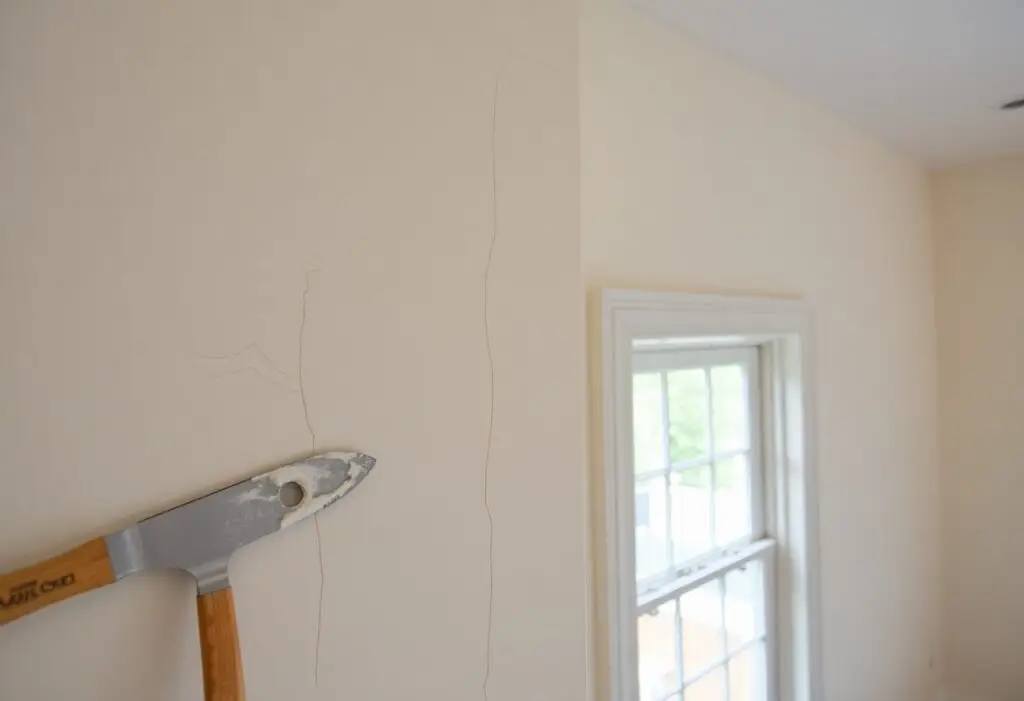
Clay soil expands when wet and shrinks in dry periods, acting like a living layer beneath your foundation. This natural “breathing” creates uneven support, putting pressure on walls and framing. You’ll often see diagonal cracks near windows or doors as evidence of this movement.
The Weight of the Foundation
Settling is normal, but uneven weight distribution worsens it. Your home’s foundation compresses the soil beneath, and heavier sections sink slightly more. This differential movement directly impacts drywall integrity, especially in corners and along seams.
Over time, the sheer mass of your home takes its toll on the underlying soil. Even well-built foundations shift when parts of the structure bear more load-like near chimneys or multi-story sections. These heavier zones sink a fraction of an inch, but that’s enough to tear through drywall joints and create persistent cracks. Monitoring these areas helps determine whether repair is cosmetic or structural.
The Air and the Moisture
Airflow and humidity levels in your home directly impact drywall stability. Excess moisture causes materials to swell, while dry air leads to contraction. These constant shifts stress joints and seams, making cracks more likely over time, especially in areas with poor ventilation or inconsistent climate control.
Swelling in the Heat
Heat raises indoor humidity, causing drywall and studs to absorb moisture and expand. This swelling can push joints outward, leading to bulging seams or cracked tape. You’ll often notice these issues in summer or near poorly insulated exterior walls exposed to direct sunlight.
Shrinking in the Cold
Cold air holds less moisture, drying out drywall and wooden framing. As materials lose moisture, they contract, creating gaps and hairline cracks, especially at seams. This shrinkage is common in winter and most visible in older homes with less stable substrates.
When temperatures drop, the rate of moisture loss accelerates, particularly in homes with forced-air heating. As your walls and ceiling cool, the drywall compound and underlying wood pull away from each other. This repeated seasonal movement weakens joints over time, making cracks more persistent and harder to repair permanently without addressing indoor humidity levels.
The Burden of the Structure
Every home carries weight beyond what meets the eye. Structural stress from the building’s own mass can lead to drywall cracks and holes over time. You may notice damage appearing where walls meet ceilings-this is often no accident, but a sign of the home settling under its own load.
Heavy Roofs
Roofs add immense pressure, especially in Great Falls where snow accumulates. Excessive roof weight transfers stress down through framing, pushing joints and seams in drywall beyond their limits. You might see diagonal cracks near corners of doorways-this is a telltale sign.
Tired Wood
Wood framing weakens with age and moisture exposure. Warping or shrinking in these structural members pulls drywall apart from within. You’re likely to spot vertical cracks along seams where sheets meet, especially on upper floors.
Over time, the lumber inside your walls absorbs humidity fluctuations, expanding and contracting seasonally. This constant movement fatigues connections, loosening fasteners and creating gaps behind the drywall. When framing sags or twists, drywall can’t compensate-resulting in persistent cracks or nail pops you can’t ignore.
Blows Against the Wall
Every impact on your drywall weakens its structure over time. Whether from a swinging door or accidental bump, these forces can lead to visible cracks or dents. Even minor hits accumulate stress, especially near doorways and corners where walls are most vulnerable.
Hard Door Knobs
Door knobs often strike walls when opened quickly, leaving dents or punctures. This common issue occurs most in high-traffic areas, where door stops fail or aren’t installed. The harder the knob, the greater the damage it can cause upon impact.
Moving the Chairs
Chair backs frequently scrape or punch drywall during rearranging. Sharp or rigid edges are especially damaging, creating gouges or cracks at seated height. This type of wear is common in dining and home office spaces.
When sliding chairs across the floor, even slight misalignment can drive the back into the wall. Over time, repeated contact wears down the drywall paper and weakens the core. Protecting walls with bumpers or mindful furniture placement prevents long-term damage and reduces repair frequency.
The Work Done Poorly
Bad drywall repairs often stem from rushed or unskilled labor. If corners were cut during installation, cracks and holes appear quickly, even without environmental stress. You may notice uneven seams or bubbling tape-clear signs of subpar craftsmanship that demand correction before damage spreads.
Weak Tape
Flimsy or improperly applied tape fails to bind joints securely. You’ll see hairline cracks forming along seams, especially in high-traffic areas. Loose tape lets the drywall paper separate, weakening the wall’s surface and inviting further damage over time.
Screws That Fail
Screws placed too far apart or driven too deep compromise structural support. You might hear faint popping sounds as they loosen. Failed screws lead to sagging drywall and visible cracks, especially near ceilings and corners.
When screws are improperly installed, they lose grip in the stud, creating stress points across the panel. Over time, this movement causes the drywall surface to shift, breaking the tape and finish. Using the correct screw type, depth, and spacing is imperative to prevent recurring damage and ensure long-term wall integrity.
Conclusion
Conclusively, drywall cracks and holes in your Great Falls, VA home often stem from structural settling, temperature shifts, or accidental impacts. Recognizing these causes helps you address damage promptly and effectively, maintaining your walls’ integrity and appearance over time.