There’s no time to waste when water has compromised your drywall-delayed action can lead to mold growth and structural damage. This guide walks you through every step to safely repair water-damaged drywall in your Great Falls home. You’ll learn how to assess the damage, stop moisture at the source, and restore your walls with confidence and precision.
Key Takeaways:
- Water-damaged drywall in Great Falls, VA homes requires immediate assessment and drying to prevent mold growth and structural weakening, especially due to the region’s humid climate and seasonal rainfall.
- Small affected areas may be repaired by removing damp sections, installing new drywall patches, and refinishing to match surrounding walls, but extensive damage often demands professional evaluation and replacement.
- Proper moisture detection using tools like hygrometers and infrared cameras helps ensure all hidden dampness is addressed, reducing the risk of recurring issues after repair.
Common Types of Drywall Water Damage
- Surface stains from minor leaks or condensation
- Bubbling paint indicating trapped moisture beneath
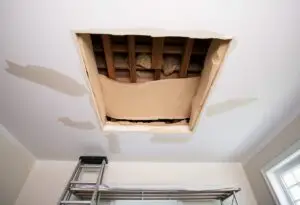
- Sagging drywall due to prolonged water exposure
- Mold growth in damp, poorly ventilated areas
- Soft spots signaling structural compromise
Perceiving the early signs can prevent costly repairs.
| Damage Type | Key Indicator |
|---|---|
| Surface Stains | Yellowish or brown discoloration |
| Bubbling Paint | Raised, uneven paint texture |
| Sagging Drywall | Visible drooping or warping |
| Mold Growth | Musty odor with dark spots |
| Soft Spots | Spongy feel when pressed gently |
Identifying Aesthetic Surface Stains
You often notice surface stains as yellow or brown marks on walls or ceilings. These discolorations stem from minor leaks or humidity buildup. While they may seem cosmetic, they’re early warnings of moisture intrusion. Perceiving them early helps avoid deeper issues.
Recognizing Structural Sagging and Soft Spots
Sagging drywall sags visibly and may feel spongy under light pressure. This signals that the gypsum core has absorbed water and begun to break down. Soft spots compromise wall integrity and require immediate attention. Perceiving these signs early prevents collapse.
When drywall sags or develops soft spots, it means water has saturated the internal structure, weakening its strength. This damage often follows roof leaks, burst pipes, or unresolved humidity. Pressing the area may reveal a mushy texture, and in severe cases, the drywall could crumble. Structural failure is a real risk, especially in ceilings, where falling debris poses danger. Immediate assessment and repair are vital to restore safety and stability.
Key Factors in Assessing Repair Scope
Understanding the full scope of water-damaged drywall repair in Great Falls, VA, depends on several key elements.
- Extent of moisture penetration and saturation
- Presence of mold or structural compromise
- Complexity of texture and paint matching
- Accessibility of affected areas
Each influences repair time, cost, and method. After
Extent of Moisture Penetration and Saturation
Moisture levels determine whether your drywall can be saved or must be replaced. Surface dampness may allow for drying, but deep saturation weakens the core, risking collapse. A moisture meter helps identify hidden water. After
Complexity of Texture and Paint Matching
Matching the existing wall texture and paint often proves more challenging than the repair itself. Smooth, orange peel, or knockdown finishes require specific tools and skill. Imperfect blending makes patches stand out. After
Reproducing your wall’s exact texture demands experience and patience. Even minor differences in application technique can result in a visible mismatch, especially under angled light. Professional drywall contractors use custom blending methods and multiple test patches to achieve a seamless finish. Exact paint tinting is equally important-aged paint varies from the original can. After
Step-by-Step Drywall Patching and Replacement
| Step | Action |
| 1 | Inspect and mark damaged drywall areas |
| 2 | Remove wet materials and allow full drying |
| 3 | Cut out damaged section with utility knife |
| 4 | Install backing and hang new drywall |
| 5 | Apply joint compound and tape seams |
| 6 | Sand smooth and prep for paint |
Follow this process carefully to restore wall integrity and prevent mold growth after water exposure in your Great Falls home.
Removing Damaged Materials and Dehumidification
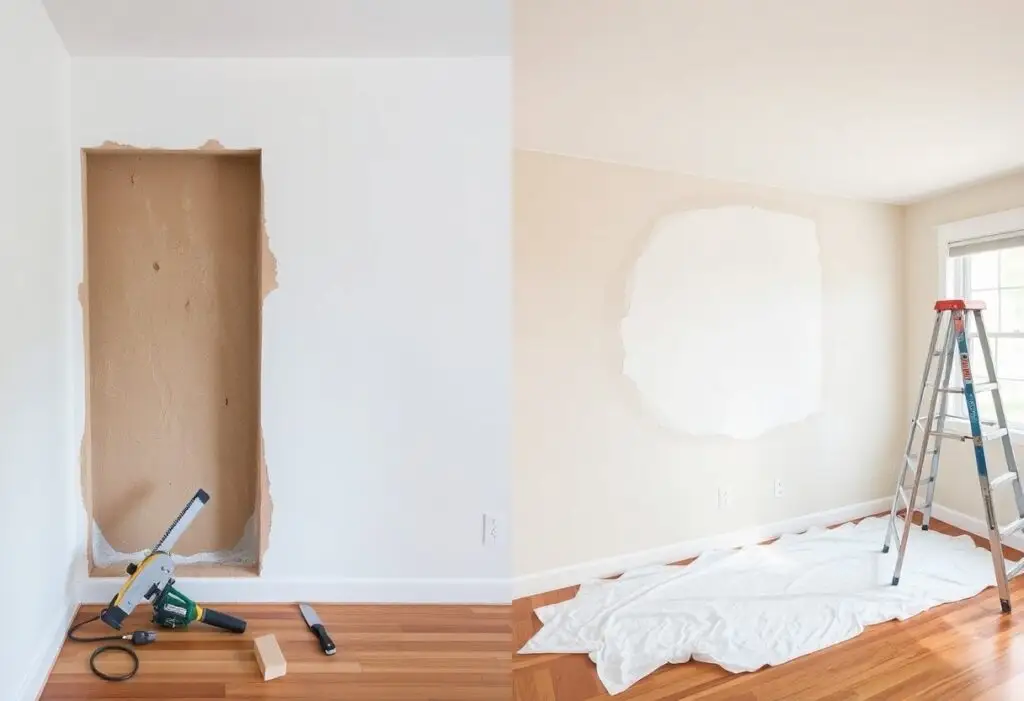
Start by cutting out any soft, discolored drywall with a utility knife-this prevents mold from spreading. Remove insulation if wet, as it won’t dry effectively. Run dehumidifiers and fans for at least 48 hours to eliminate hidden moisture in wall cavities. Skipping this step risks long-term structural damage and health hazards.
Hanging New Drywall and Joint Compound Application
Secure the new drywall panel with drywall screws, ensuring tight corners and seams. Apply joint tape over each seam, then spread a thin layer of joint compound with a taping knife. Feather the edges smoothly to blend with existing walls. Let it dry completely before sanding and adding a second coat.
When hanging new drywall, always use moisture-resistant board in high-risk areas like bathrooms or near plumbing. Screw every 6 to 8 inches along studs to prevent sagging. After taping, apply three thin layers of joint compound, sanding lightly between each. A smooth finish ensures paint adheres evenly and flaws remain hidden. Work in thin passes-over-applying compound leads to cracks and extended drying times.
Pros and Cons of Hiring Local Professionals
Choosing local experts in Great Falls ensures faster response times and familiarity with regional building codes. While professional service offers reliability, it comes at a higher cost than DIY attempts. Weighing these factors helps you make an informed decision for your water-damaged drywall repair.
| Pros | Cons |
| Fast emergency response | Higher upfront cost |
| Local code compliance knowledge | Limited availability during peak seasons |
| Access to professional-grade tools | Potential for contractor scams |
| Accurate moisture assessment | Need to schedule around their timeline |
| Warranty on work performed | Not all offer 24/7 service |
Benefits of Specialized Moisture Detection Equipment
You gain peace of mind knowing hidden moisture is accurately located using infrared cameras and hygrometers. These tools detect dampness behind walls before mold develops, preventing future damage. Early detection saves thousands in long-term repairs and ensures complete drying before patching begins.
Financial and Safety Risks of Improper DIY Work
You risk costly structural damage and health hazards when repairs are done incorrectly. Without proper drying, mold grows within 48 hours, compromising air quality. DIY errors often lead to full drywall replacement, increasing expenses and labor down the line.
Attempting repairs without removing saturated insulation or sealing moisture traps invites long-term decay. Electrical hazards may arise if wiring behind damp walls isn’t inspected. Insurance claims can be denied if improper methods are detected, leaving you responsible for full restoration costs. What starts as a budget fix can become a dangerous, expensive failure without expert intervention.
Expert Tips for Preventing Future Intrusion
Protect your Great Falls home from recurring water-damaged drywall by addressing vulnerabilities early.
- Ensure exterior drainage slopes away from your foundation
- Clean gutters and downspouts twice a year
- Install smart leak detection systems near plumbing fixtures
Recognizing early signs of moisture saves costly repairs down the line.
Maintaining Exterior Drainage and Gutters
Your home’s first defense against water intrusion starts with clean, properly aligned gutters. Clogged or damaged gutters allow rainwater to pool near the foundation, increasing the risk of seepage. Keep downspouts extending at least five feet from the house and inspect grading annually. Preventing buildup ensures water flows safely away from your structure.
Installing Smart Leak Detection Systems
A smart leak sensor gives you real-time alerts when moisture is detected near appliances or pipes. These compact devices integrate with your home network and can shut off water automatically. Early warnings prevent hidden damage behind walls. You gain peace of mind knowing threats are caught before they escalate.
Smart leak detection systems go beyond basic alerts by monitoring usage patterns and identifying abnormal flow, such as a running toilet or burst pipe, even when you’re away. Placed under sinks, near water heaters, or in basements, they provide 24/7 surveillance. Some models work with smart valves to stop water flow instantly, minimizing the chance of extensive drywall damage and mold growth.
Summing up
Taking this into account, you now have a clear path to repair water-damaged drywall in your Great Falls, VA home. From assessing the damage to finishing the patch, each step ensures a durable, professional result. Acting promptly and correctly protects your walls and maintains your home’s integrity.