
HEATING AND COOLING REPAIR • FAIRFAX COUNTY, VIRGINIA
Get help assessing heating and cooling problems in Fairfax County, including thermostat, airflow, filter, drain, and accessible system concerns.
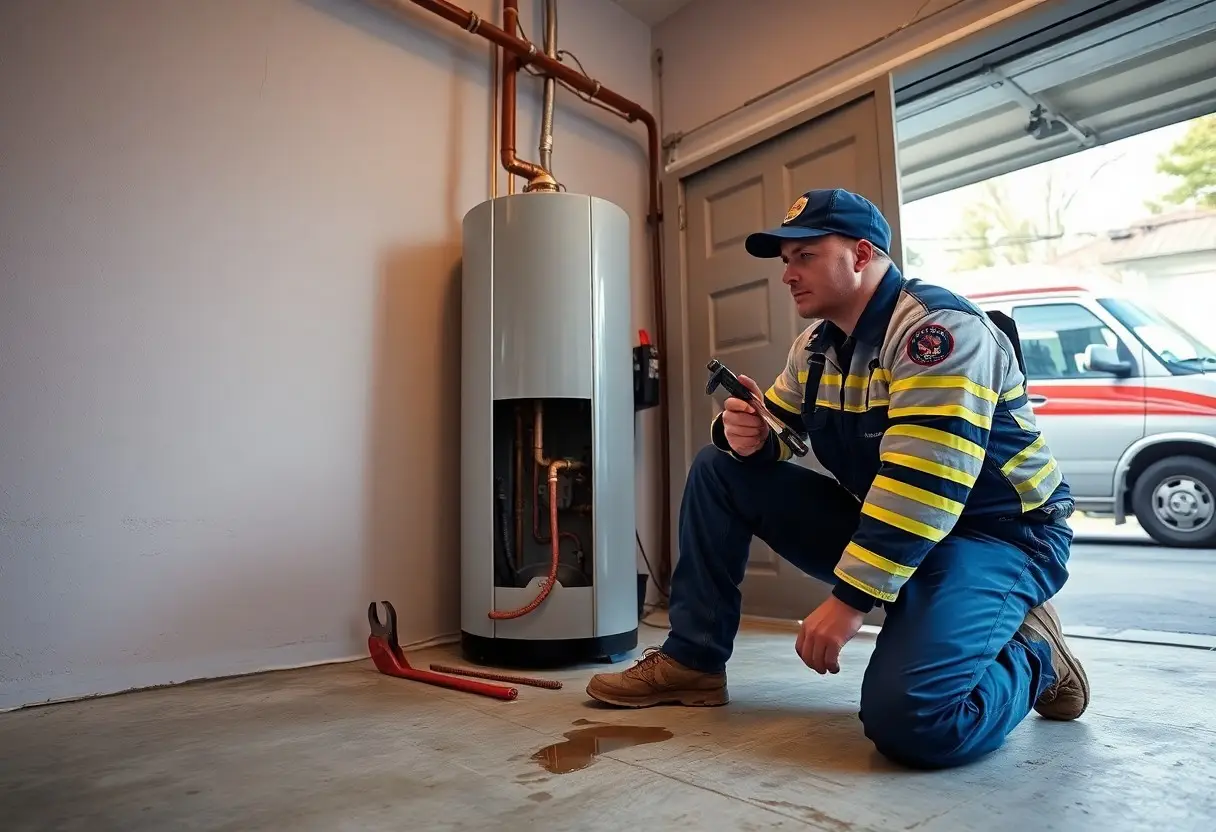
When you need heating and cooling repair in Fairfax County, VA, the first priority is understanding what is actually happening and what a useful repair or improvement should accomplish. When a heating or cooling system is not keeping up, the cause may be as simple as a thermostat setting or as involved as a mechanical, electrical, airflow, or refrigerant issue. A careful first step is to document the symptoms, check accessible components, and determine the appropriate repair path. JD Home Pros LLC helps property owners turn the issue into a defined project with clear next steps.
Property work in Fairfax County often involves coordinating access, protecting occupied spaces, and fitting repairs around busy household or business schedules. A clear scope helps keep the project practical from the start.
The goal is not to make the project sound bigger than it is. It is to identify the work that matters, explain the choices, and complete the agreed scope with attention to function and finish. That is especially important when the service affects other materials, rooms, or systems around the work area.
Every property and project is different, so the final scope should be based on the visible conditions and the result you want. Depending on the project, heating and cooling may include:
Materials, removal, disposal, finish work, and repairs outside the immediate area should be listed clearly in the estimate or project discussion. That keeps a small repair from turning into an open-ended job and makes it easier to compare options.
Some problems can wait for a planned improvement, while others get more disruptive or expensive when they are ignored. Consider scheduling heating and cooling service when you notice one or more of the following:
One symptom does not always reveal the full cause. The pattern, location, age of the equipment, and any recent changes can all help narrow the scope. Sharing those details before the visit gives the project a better starting point.
Describe what you are seeing, when it began, and whether it is changing. Photos, thermostat information, equipment labels, error codes, and a short history can help define the starting point. For heating and cooling, note anything that makes the problem better or worse.
The affected rooms, accessible equipment, vents, filters, drains, thermostat, and visible conditions are checked before a repair path is selected. This helps separate a comfort complaint from the condition that may be causing it.
The proposed work, exclusions, material needs, and likely sequence should be clear before the project moves forward. If another issue is discovered, it should be discussed rather than quietly added. This is also the time to confirm whether specialized HVAC service is required.
The agreed work is carried out with attention to nearby finishes and normal use of the property. The system or accessible component is then checked for the function included in the scope.
Filter changes, drain monitoring, thermostat settings, maintenance timing, and future symptoms should be explained. When a specialist or additional phase is appropriate, the next step should be easy to understand.
Gas, high-voltage electrical, refrigerant, combustion, and sealed-system work may require a qualified HVAC professional. Equipment age, maintenance history, error codes, and whether the issue affects one room or the whole property can help narrow the next step.
A focused repair may be the right choice when accessible components are sound and the source of the problem is understood. Replacement or a larger project can make more sense when equipment is beyond practical repair, parts are no longer available, or repeated repairs are no longer solving the issue.
Replace or clean filters as recommended for the system, keep supply and return vents clear, watch for water near indoor equipment, and schedule appropriate maintenance before peak heating or cooling seasons.
Keep photos, equipment labels, filter sizes, thermostat settings, part numbers, and the final scope with your property records. Those details can be useful if a related repair comes up later or another contractor needs to understand what was changed.
For Fairfax County projects, it helps to share photos, access details, parking or building instructions, equipment model information, and any known history of the problem before the visit. That information can make the assessment more focused and reduce surprises once work begins.
For occupied homes and small businesses, keep the equipment area accessible and note any thermostat schedules, recent filter changes, unusual odors, water near the unit, or rooms that feel different from the rest of the property. A little planning can reduce disruption and improve the starting information.
Many comfort problems look simple from a distance but involve details that only become clear on site. Careful observation, honest scope discussions, and knowing when specialized HVAC work is needed can make the difference between a temporary reset and a useful long-term solution.
JD Home Pros LLC serves Fairfax County, VA with a focus on useful communication and manageable project planning. No two properties are identical, so recommendations should be tied to the equipment and work area rather than a generic package. You should know what is included, what may require follow-up, and what information is still needed before work begins.
Closed or blocked vents, duct conditions, room exposure, insulation, airflow balance, and system capacity can all play a role. The pattern should be reviewed before assuming the equipment has failed.
A basic reset may help in limited situations, but repeated tripping or failure should not be ignored. Do not keep resetting equipment that shows signs of an electrical or safety problem.
It may involve condensate drainage, freezing, a pump, a pan, or another condition. Turn off equipment if continued operation is causing water damage and arrange an assessment.
Work involving refrigerant, gas, combustion, major electrical components, sealed equipment, or system replacement should be handled by an appropriately qualified HVAC professional.
Request a quote for heating and cooling in Fairfax County. Share the project details, photos when available, and any access requirements so JD Home Pros LLC can review the work and help plan the next step.
Include the location, a short description of the problem, when you first noticed it, and the best way to discuss access and scheduling. That gives the conversation a clear starting point and helps identify any information needed before a quote or visit.