
When you need sewer cleaning in Fair Oaks, VA, the first priority is understanding what is actually happening and what a useful repair or improvement should accomplish. A main-line restriction can affect several fixtures and create a messy, unsanitary backup. Sewer cleaning requires more than treating one sink or toilet. The goal is to identify signs of a deeper blockage, limit additional flow into the line, and choose a cleaning or referral path that fits the condition. JD Home Pros LLC helps property owners turn the issue into a defined project with clear next steps.
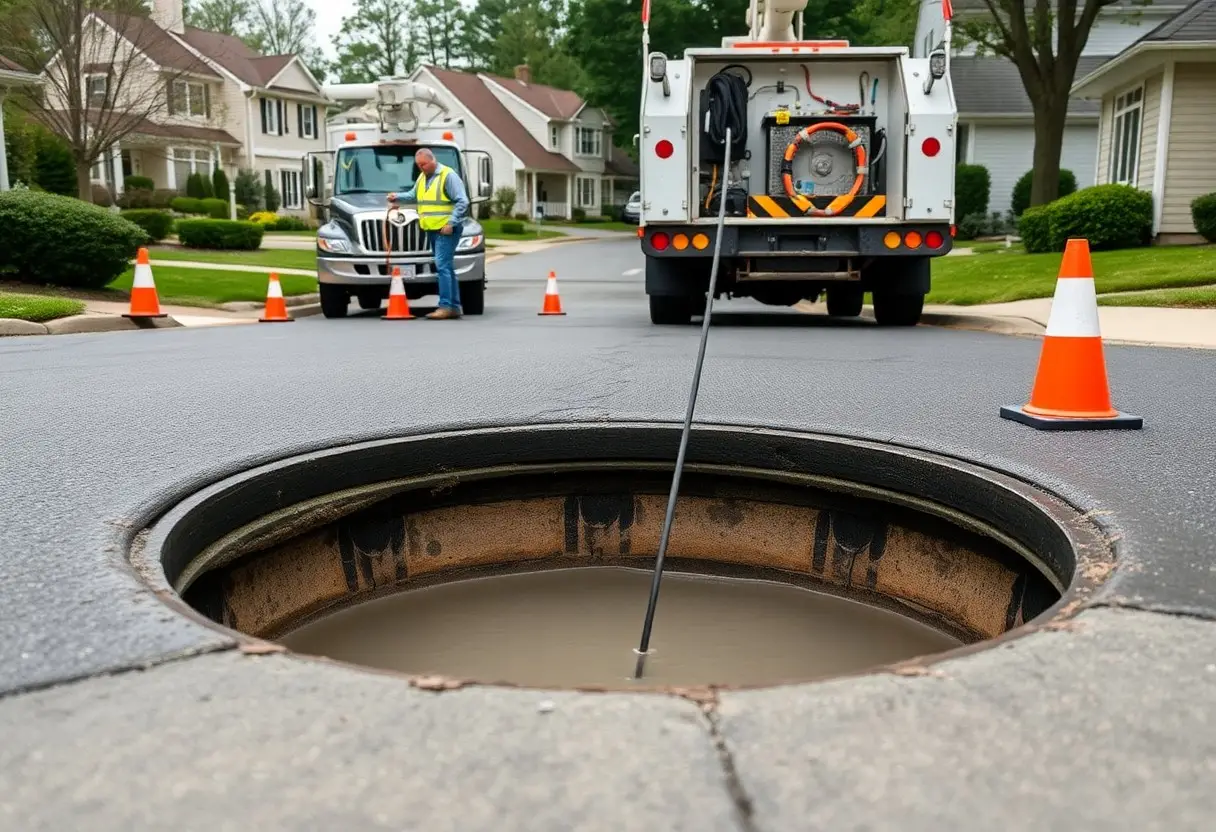
A Fair Oaks project may take place in a detached home, townhome, condo, rental, office, or another managed property. Parking, check-in procedures, common-area protection, approved work hours, and rooms that must stay usable may shape the schedule. For sewer cleaning, written access details can be just as useful as photos, measurements, and product information.
The goal is not to make the project sound bigger than it is. It is to identify the work that matters, explain the choices, and complete the agreed scope with attention to function and finish. That is especially important when the service affects other materials, rooms, or systems around the work area.
Some problems can wait for a planned improvement, while others get more disruptive or expensive when they are ignored. Consider scheduling sewer cleaning service when you notice one or more of the following:
Several drains slow down or back up at the same time
A lower-level drain overflows when another fixture is used
Toilets gurgle or water levels change unexpectedly
Wastewater or debris appears around a floor drain
A main-line blockage returns after a previous clearing
One symptom does not always reveal the full cause. The pattern, location, age of the materials, and any recent changes can all help narrow the scope. Sharing those details before the visit gives the project a better starting point.
Every property and project is different, so the final scope should be based on the visible conditions and the result you want. Depending on the project, sewer cleaning may include:

Reviewing which fixtures are affected and in what order
Checking accessible cleanouts and visible drainage components
Determining whether symptoms point to a branch line or main line
Completing suitable cleaning work within the available access
Recommending camera inspection, excavation, or specialist service when needed
Materials, removal, disposal, finish work, and repairs outside the immediate area should be listed clearly in the estimate or project discussion. That keeps a small repair from turning into an open-ended job and makes it easier to compare options.
Open each step to review how the service moves from symptoms to a defined result.
Describe what you are seeing, when it began, and whether it is changing. Photos, measurements, product information, and a short history can help define the starting point. For sewer cleaning, note anything that makes the problem better or worse.
The affected area, nearby finishes, access, and visible conditions are checked before a repair method is selected. This helps separate the main problem from the damage it may have caused.
The proposed work, exclusions, material needs, and likely sequence should be clear before the project moves forward. If another issue is discovered, it should be discussed rather than quietly added. This is also the time to confirm who will provide materials and how the work area will be prepared.
The agreed work is carried out with attention to nearby surfaces and normal use of the property. The completed area is then checked for function, fit, and visible finish.
Any drying time, curing time, maintenance, or future monitoring should be explained. When a specialist or additional phase is appropriate, the next step should be easy to understand.
Grease, wipes, roots, pipe movement, scale, and damaged sections can create similar symptoms but require different solutions. Cleaning may restore flow, but repeated blockages can indicate a condition that should be inspected rather than cleared over and over.
A focused repair may be the right choice when the surrounding materials are sound and the source of the problem is understood. Replacement or a larger project can make more sense when damage is widespread, access is limited, parts are no longer practical to match, or repeated repairs are no longer solving the issue.
Before scheduling, confirm parking, building access, work hours, elevator or stair use, debris handling, and protection requirements. Share written rules early when the property is managed. Identify spaces that must remain usable and where tools or materials may be staged.
Existing materials may not match current products exactly. Leftover paint or flooring, model numbers, receipts, and earlier project records can reduce guesswork. Confirm any shared-wall, common-area, utility, or permit responsibilities before scheduling.
Keep grease, wipes, hygiene products, and other non-flushable items out of the drain system. Pay attention when multiple fixtures begin slowing at once, since early action may help prevent a larger backup.
Keep photos, product information, paint colors, part numbers, and the final scope with your property records. Those details can be useful if a related repair comes up later or another contractor needs to understand what was changed.
Good coordination protects the work area, hallways, elevators, finished rooms, and shared spaces. It also helps keep owners, occupants, or property contacts informed. The scope should reflect the actual access conditions.
JD Home Pros LLC can discuss the visible condition, access requirements, and desired result for a Fair Oaks property. Included work, materials, protection, cleanup, exclusions, and approval or specialized-trade needs should be documented.
Explore connected services that may be useful before, during, or after this project.
A fixture clog usually affects one drain. A sewer or main-line problem often affects several fixtures, especially lower drains, and may worsen when water is used elsewhere.
Chemical products may not reach or solve a main-line obstruction and can create handling concerns. Stop adding water and have the symptoms assessed.
Sewage and contaminated water should be treated carefully. Avoid contact, keep people and pets away, and arrange appropriate cleaning after the source is controlled.
Confirm parking, check-in procedures, work-hour limits, elevator or stair access, protection, debris rules, and advance notice. Share the approval contact and written requirements before scheduling. Note rooms or common routes that must remain open.
Contact JD Home Pros LLC about sewer cleaning in Fair Oaks, VA. Include photos, measurements, access requirements, and the desired result. For a managed property, add the approval contact, parking instructions, and work-hour limits.
State whether the project is a repair, replacement, or broader update, and list spaces that must stay usable. That information helps identify a practical next step, exclusions, approvals, or trade-specific work.