EXTERIOR PAINTING • CENTREVILLE, VIRGINIA
Protect exposed surfaces, improve curb appeal, and define the preparation needed for a lasting exterior finish.
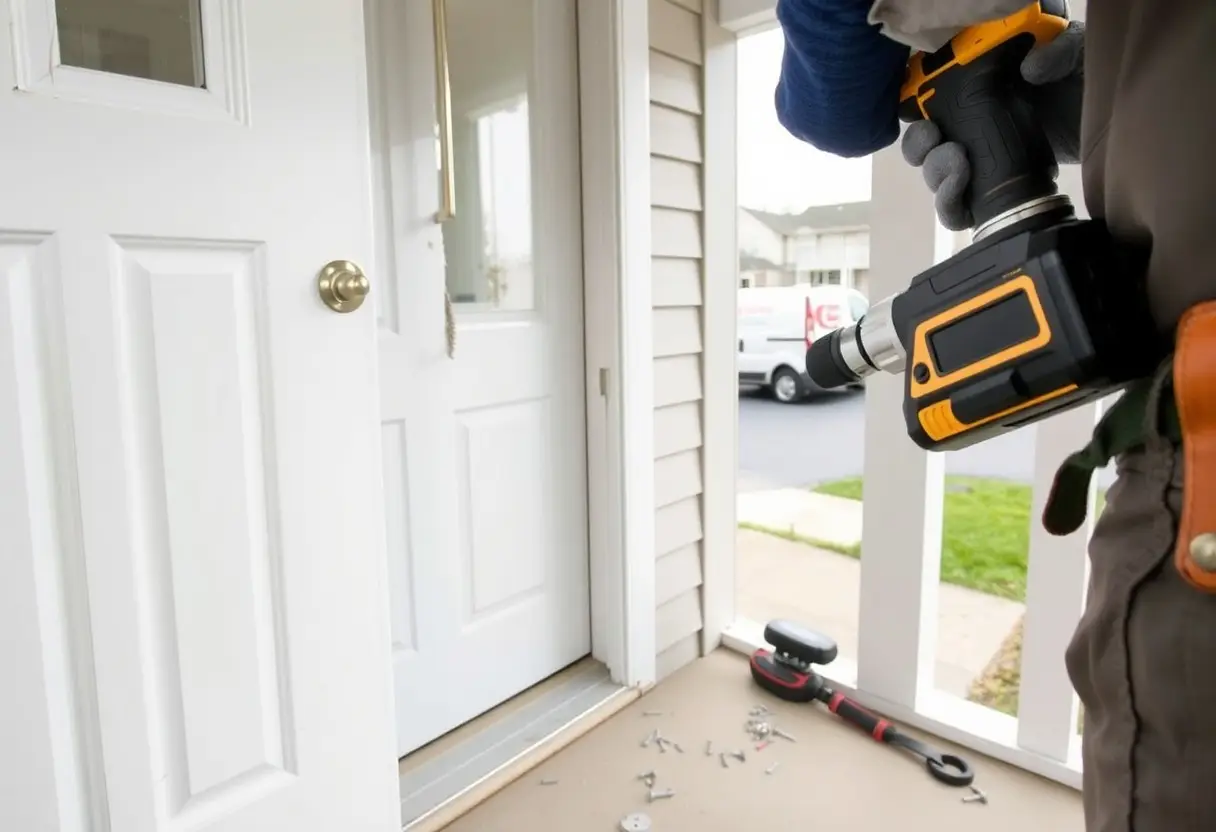
START WITH THE SURFACE
When you need exterior painting in Centreville, VA, the first priority is understanding what is actually happening and what a useful repair or improvement should accomplish. Exterior paint protects exposed surfaces while shaping the first impression of a property. A lasting result depends on washing, scraping, sanding, caulking, spot repairs, primer selection, weather conditions, and careful application—not just the finish color. JD Handy Pro LLC helps property owners turn the issue into a defined project with clear next steps.
For an occupied Centreville home or rental, repair work often has to fit around workdays, school schedules, pets, deliveries, and rooms that still need to be used. A focused plan helps limit disruption and keeps priorities clear. For exterior painting, sharing symptoms, photos, measurements, and product details before the visit helps keep the first discussion focused.
The goal is not to make the project sound bigger than it is. It is to identify the work that matters, explain the choices, and complete the agreed scope with attention to function and finish. That is especially important when the service affects other materials, rooms, or systems around the work area.
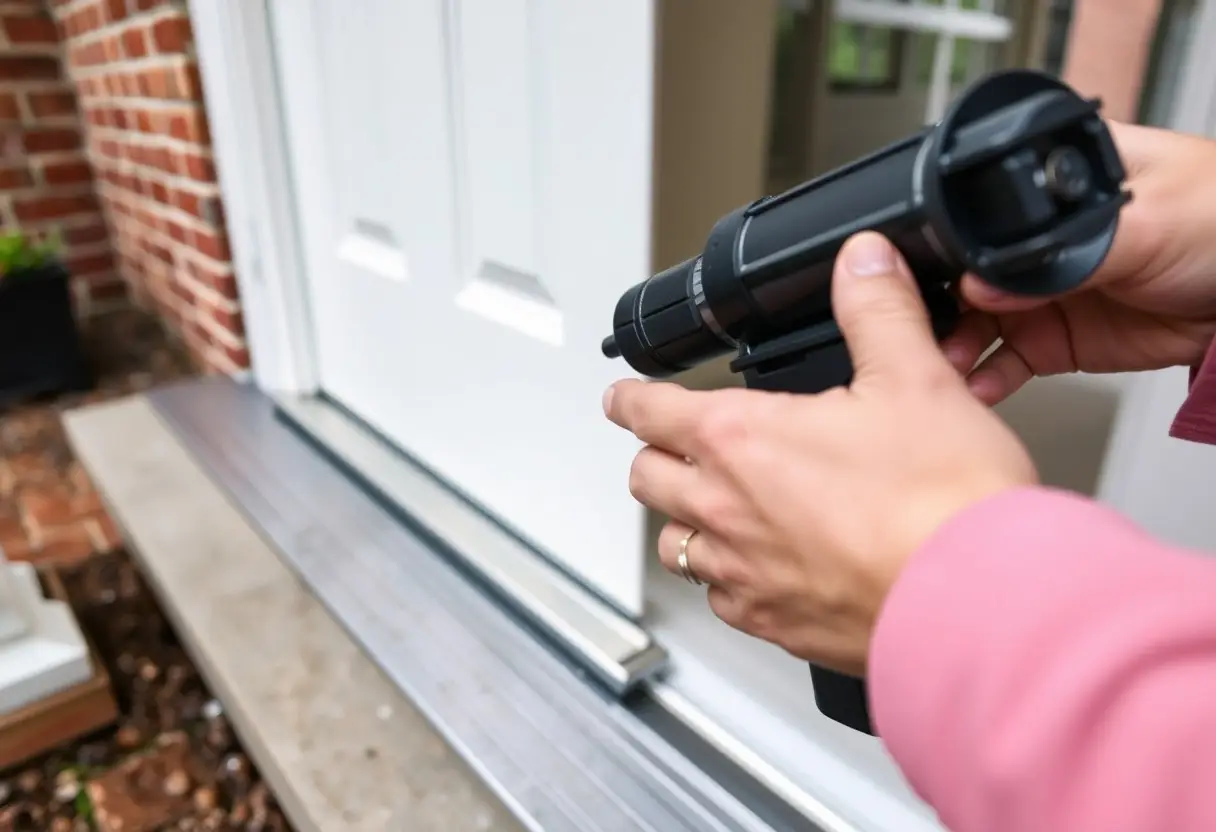
A durable exterior finish begins with washing, scraping, sanding, caulking, spot repairs, and the right primer—not color alone.
WHEN TO START THE CONVERSATION
Some problems can wait for a planned improvement, while others get more disruptive or expensive when they are ignored. Consider scheduling exterior painting service when you notice one or more of the following:
One symptom does not always reveal the full cause. The pattern, location, age of the materials, and any recent changes can all help narrow the scope. Sharing those details before the visit gives the project a better starting point.
DEFINE THE WORK BEFORE IT GROWS
Every property and project is different, so the final scope should be based on the visible conditions and the result you want. Depending on the project, exterior painting may include:
Materials, removal, disposal, finish work, and repairs outside the immediate area should be listed clearly in the estimate or project discussion. That keeps a small repair from turning into an open-ended job and makes it easier to compare options.
A FIVE-STEP SERVICE FLOW
1. Share the project details
Describe what you are seeing, when it began, and whether it is changing. Photos, measurements, product information, and a short history can help define the starting point. For exterior painting, note anything that makes the problem better or worse.
2. Check access and existing conditions
The affected area, nearby finishes, access, and visible conditions are checked before a repair method is selected. This helps separate the main problem from the damage it may have caused.
3. Set priorities, materials, and limits
The proposed work, exclusions, material needs, and likely sequence should be clear before the project moves forward. If another issue is discovered, it should be discussed rather than quietly added. This is also the time to confirm who will provide materials and how the work area will be prepared.
4. Carry out the agreed work
The agreed work is carried out with attention to nearby surfaces and normal use of the property. The completed area is then checked for function, fit, and visible finish.
5. Walk through the result
Any drying time, curing time, maintenance, or future monitoring should be explained. When a specialist or additional phase is appropriate, the next step should be easy to understand.
Match the material, primer, coating, and weather window.
Different materials need compatible primers and coatings. Wood, fiber cement, masonry, metal, doors, and previously painted surfaces do not all respond the same way. Weather and surface temperature also affect application and drying.
A focused repair may be the right choice when the surrounding materials are sound and the source of the problem is understood. Replacement or a larger project can make more sense when damage is widespread, access is limited, parts are no longer practical to match, or repeated repairs are no longer solving the issue.
PLAN AROUND THE PEOPLE USING THE PROPERTY
Start with a short priority list and identify which areas must stay open during the work. Add photos, measurements, product information, and details about what has already been tried. Grouping related decisions before the visit can reduce delays.
Protecting high-traffic routes matters when tools and materials move through an occupied property. Confirm furniture moving, floor protection, cleanup, disposal, and return visits in advance so the household knows what to expect.
PROTECT THE RESULT
Inspect painted surfaces regularly, especially lower trim, horizontal edges, joints, and areas near gutters or downspouts. Early touch-ups and moisture repairs can help prevent a small coating failure from spreading.
Keep photos, product information, paint colors, part numbers, and the final scope with your property records. Those details can be useful if a related repair comes up later or another contractor needs to understand what was changed.
RIGHT-SIZE THE PROJECT
The best scope is not always the largest one. A smaller repair may be sensible when the surrounding materials are sound, while broader replacement may make more sense when damage is repeated, widespread, or tied to another unresolved condition.
JD Handy Pro LLC can help Centreville property owners sort urgent items from planned improvements and discuss a practical sequence. Clear exclusions and material responsibilities make an estimate easier to understand and a project easier to manage.
QUESTIONS CENTREVILLE PROPERTY OWNERS ASK
Preparation depends on the existing coating and surface condition. Loose paint, failed caulk, dirt, exposed material, and minor repairs should be handled before finish coats.
READY FOR A CLEAR FIRST CONVERSATION?