
When you need window replacement in Clifton, VA, the first priority is understanding what is actually happening and what a useful repair or improvement should accomplish. A damaged, drafty, difficult-to-operate window can affect comfort, security, moisture control, and the appearance of a room. Replacement work should account for the opening, frame condition, exterior seal, interior trim, and the style of window selected. JD Home Pros LLC helps property owners turn the issue into a defined project with clear next steps.
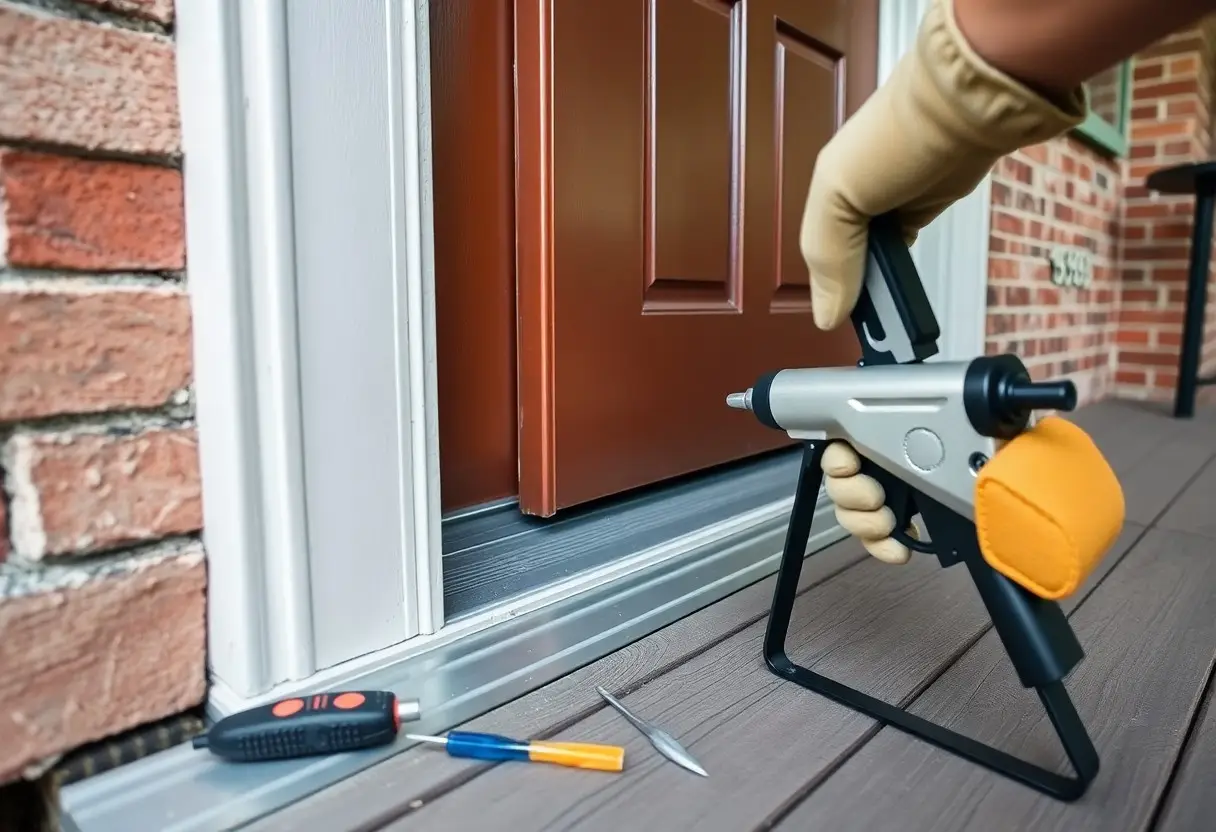
A Clifton project may involve a detached home, an occupied property with a larger work area, or an accessory area where tools and materials need thoughtful staging. Access routes, pets, exterior conditions, and the distance between parking and the work area can matter. For window replacement, photos, measurements, and a clear priority list help reduce guesswork before the visit.
The goal is not to make the project sound bigger than it is. It is to identify the work that matters, explain the choices, and complete the agreed scope with attention to function and finish. That is especially important when the service affects other materials, rooms, or systems around the work area.
Some problems can wait for a planned improvement, while others get more disruptive or expensive when they are ignored. Consider scheduling window replacement service when you notice one or more of the following:
One symptom does not always reveal the full cause. The pattern, location, age of the materials, and any recent changes can all help narrow the scope. Sharing those details before the visit gives the project a better starting point.
Every property and project is different, so the final scope should be based on the visible conditions and the result you want. Depending on the project, window replacement may include:
Materials, removal, disposal, finish work, and repairs outside the immediate area should be listed clearly in the estimate or project discussion. That keeps a small repair from turning into an open-ended job and makes it easier to compare options.
Describe what you are seeing, when it began, and whether it is changing. Photos, measurements, product information, and a short history can help define the starting point. For window replacement, note anything that makes the problem better or worse.
The affected area, nearby finishes, access, and visible conditions are checked before a repair method is selected. This helps separate the main problem from the damage it may have caused.
The proposed work, exclusions, material needs, and likely sequence should be clear before the project moves forward. If another issue is discovered, it should be discussed rather than quietly added. This is also the time to confirm who will provide materials and how the work area will be prepared.
The agreed work is carried out with attention to nearby surfaces and normal use of the property. The completed area is then checked for function, fit, and visible finish.
Any drying time, curing time, maintenance, or future monitoring should be explained. When a specialist or additional phase is appropriate, the next step should be easy to understand.
Insert replacement and full-frame replacement are not the same project. Existing frame condition, water damage, opening size, trim details, and exterior cladding can determine which approach makes sense. Product lead time and manufacturer requirements should be considered before removal begins.
A focused repair may be the right choice when the surrounding materials are sound and the source of the problem is understood. Replacement or a larger project can make more sense when damage is widespread, access is limited, parts are no longer practical to match, or repeated repairs are no longer solving the issue.
The right scope depends on visible conditions, access, material compatibility, and whether the underlying cause is understood.
Share the easiest access route, parking or driveway instructions, gates, pets, and safe material-staging areas. For exterior or multi-room work, note weather-sensitive surfaces and spaces that must remain open. Confirm measurements and owner-supplied products before the appointment.
Existing materials may not match current products exactly. Leftover paint or flooring, model numbers, receipts, and earlier project records can reduce guesswork. Confirm any shared-wall, common-area, utility, or permit responsibilities before scheduling.
Keep tracks clean, operate locks gently, inspect caulk and exterior seals, and address water staining promptly. Follow the window manufacturer’s guidance for cleaning glass, screens, and moving parts.
Keep photos, product information, paint colors, part numbers, and the final scope with your property records. Those details can be useful if a related repair comes up later or another contractor needs to understand what was changed.
Projects are easier to manage when materials, access, and weather-sensitive steps are identified early. A focused repair may stay in one area, while work across several rooms or exterior sections may need a staged sequence.
JD Home Pros LLC can review the requested result and visible conditions for a Clifton property. The scope should explain included work, materials, protection, cleanup, exclusions, and any trade-specific work or approvals.
Explore connected services that may be useful before, during, or after this project.
Sometimes, depending on the window type and damage. A failed insulated glass unit may be different from a damaged frame, sash, lock, or leaking installation.
Visible rot, frame movement, water intrusion, or major size changes can point toward a broader replacement. An on-site review helps define the scope.
It may. Trim can sometimes be reused, but removal damage, size changes, or existing deterioration may require repair or replacement.
Provide parking or driveway instructions, gate information, pet notes, and the best route to the work area. Note limits on material staging and identify rooms, doors, utilities, or walkways that need to remain available.
Contact JD Home Pros LLC about window replacement in Clifton, VA. Share photos, measurements, access details, and a prioritized description. Include products already purchased and note whether the project is a repair, replacement, or improvement.
Mention gates, pets, parking, exterior staging, and areas that must stay usable. These details help define the scope and identify material questions, approvals, or trade-specific work before scheduling.